Oil on canvas
This is one of many paintings and prints in which Beckmann used self-portraiture as a form of role playing. Here, he presented himself as a stern and successful businessman, holding a cigarette in a gesture of nonchalance or defiance. But at the lower left, almost imperceptible, is a red polkadot sash. A sly reference to the dress of a clown, it mocks and rebukes his mask of authority. Beckmann frequently portrayed himself in circus costume.
German Expressionism: The Graphic Impulse, March 27–July 11, 2011.
Explore more
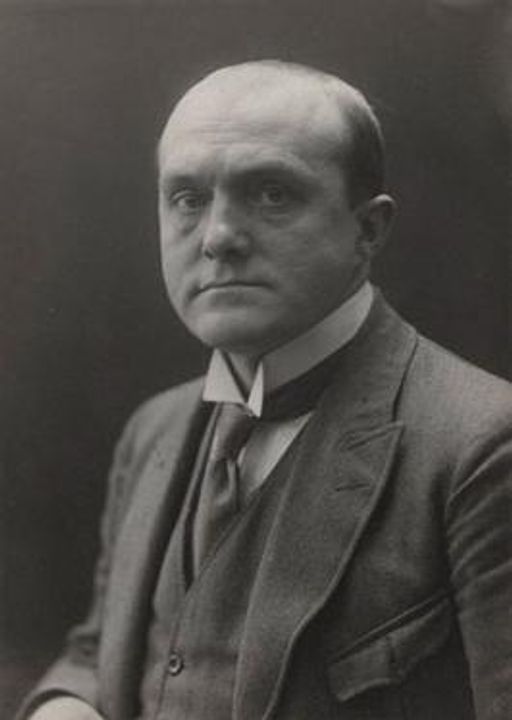
Max Beckmann
German, 1884–1950 218 works onlineMax Beckmann dreamed up a world of actors, cabaret singers, heroes, and thugs, whose dramas unfold on city streets, at masquerades and carnivals, and in candlelit chambers.
Learn more →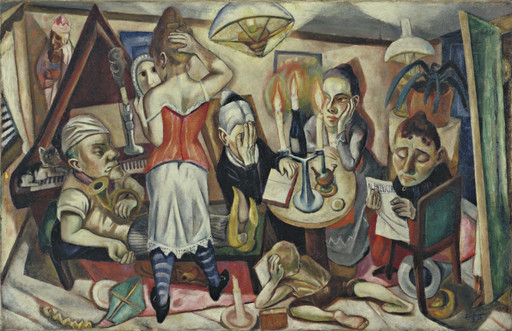
Neue Sachlichkeit (New Objectivity)
A modern movement that developed in Weimar Germany in the 1920s. It offered a return to unsentimental reality and a focus on the objective world, as opposed to the more abstract, romantic, or idealistic tendencies of Expressionism .
Learn more →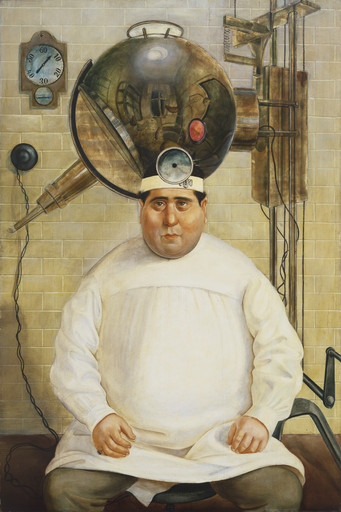
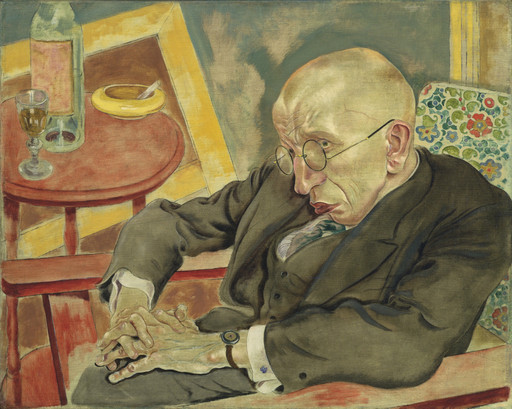
Self-portrait
A representation of oneself made by oneself.
Learn more →
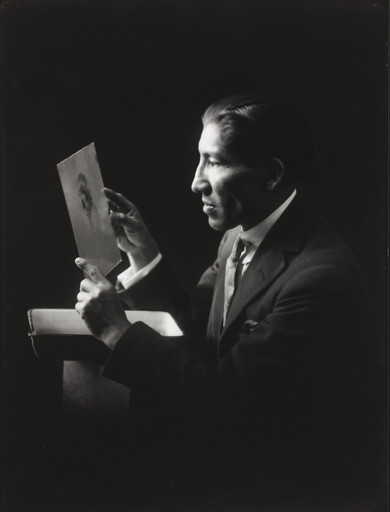
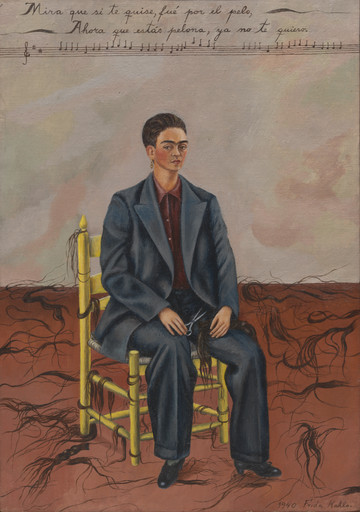
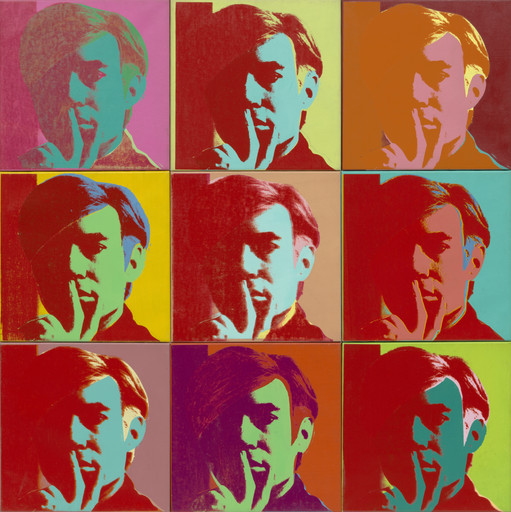
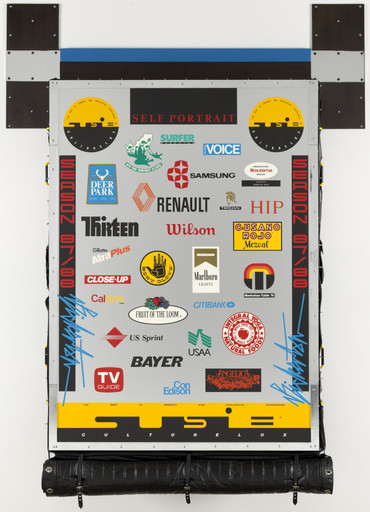
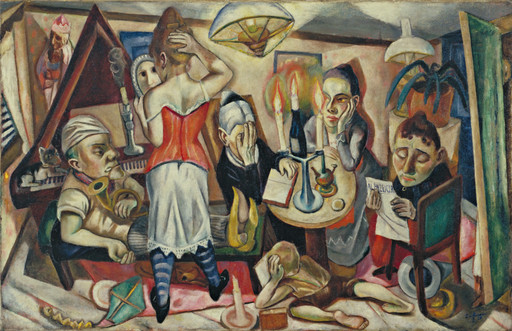
Weimar Citizens
Gallery 514After Germany was defeated at the end of World War I, a democratic government was installed for the first time in the territory’s history.
Learn more →

Audio
Audio from the playlist Collection 1880s–1940s
From MoMA Design Store


Installation views
We have identified this work in the following photos from our exhibition history.
Provenance Research Project
This work is included in the Provenance Research Project, which investigates the ownership history of works in MoMA's collection.
Acquired from the artist by J.B. Neumann (1887-1961), New York, by 1927 [1]; Franz H. Hirschland (1880-1973), New York, before 1930 [2]; The Museum of Modern Art, New York, 1956 (Gift of Dr. and Mrs. F.H. Hirschland).
[1] Erhard Göpel and Barbara Göpel, Max Beckmann: Katalog der Gemälde, Bern: Kornfeld & Cie., 1976, vol. 1, no. 221. Included in the exhibition Max Beckmann, New Art Circle (J.B. Neumann), New York, April 12-May 11, 1927. Reproduced on the front cover of Art Lover: I.B. Neumanns Bilderhefte: Max Beckmann, April 1915.
[2] Included in the exhibition Modern German Painting and Sculpture, The Museum of Modern Art, New York, March 12-April 26, 1931, no. 7. Lender: F.H. Hirschland.
Provenance research is a work in progress, and is frequently updated with new information. If you have any questions or information to provide about the listed works, please email [email protected] or write to:
Provenance Research Project
The Museum of Modern Art
11 West 53 Street
New York, NY 10019
Licensing
Artwork or archival images
If you would like to reproduce an image of a work of art in MoMA's collection, or an image of a MoMA publication or archival material (including installation views, checklists, and press releases), please contact Art Resource (publication in North America) or Scala Archives (publication in all other geographic locations).
Audio and film clips
MoMA licenses archival audio and select out of copyright film clips from our film collection. At this time, MoMA produced video cannot be licensed by MoMA/Scala. All requests to license archival audio or out of copyright film clips should be addressed to Scala Archives at [email protected]. Motion picture film stills cannot be licensed by MoMA/Scala. For access to motion picture film stills for research purposes, please contact the Film Study Center at [email protected]. For more information about film loans and our Circulating Film and Video Library, please visit Circulating Film and Video Library.
Text from a publication or the archives
If you would like to reproduce text from a MoMA publication, please email [email protected]. If you would like to publish text from MoMA's archival materials, please fill out this permission form and send to [email protected].
Feedback
This record is a work in progress. If you have additional information or spotted an error, please fill out this feedback form.