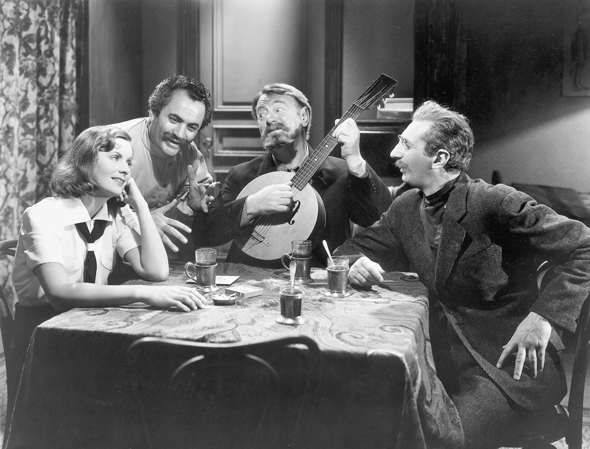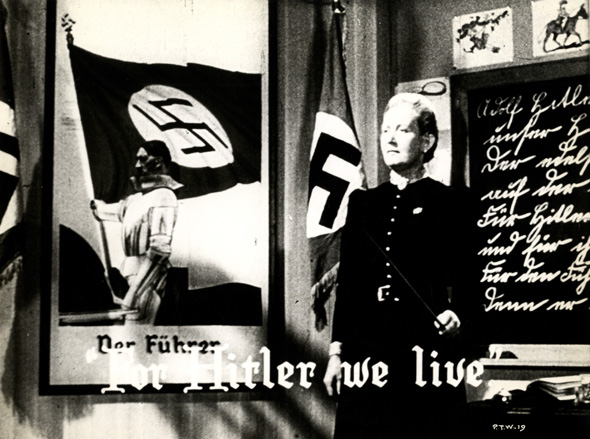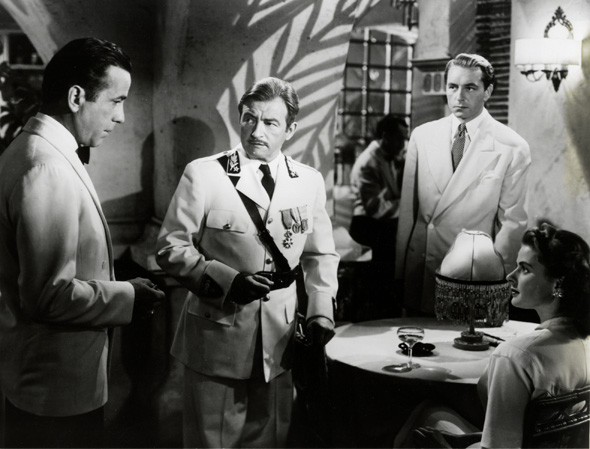
Oops! I almost left out Ninotchka. Somehow, this 1939 masterpiece slipped through the cracks. I apologize for whatever inconvenience this violation of my self-imposed chronology may cause, although I don’t think the Prime Directive has been threatened.
Posts tagged ‘film’
Ernst Lubitsch’s Ninotchka
Ultimate Insider: An Interview with Les Blank
Sally Berger interviews documentary filmmaker Les Blank on the occasion of his MoMA film retrospective Les Blank: Ultimate Insider
Guiltless Film Pleasures
As a regular contributor to Inside/Out, I endeavor to bring topics related to MoMA’s Department of Film and cinema history to you, the reader. I am always interested in talking and writing about films, debating their aesthetic merits, content, form, performances—and I am also very curious to know which films my colleagues across the Museum are seeing, and why.
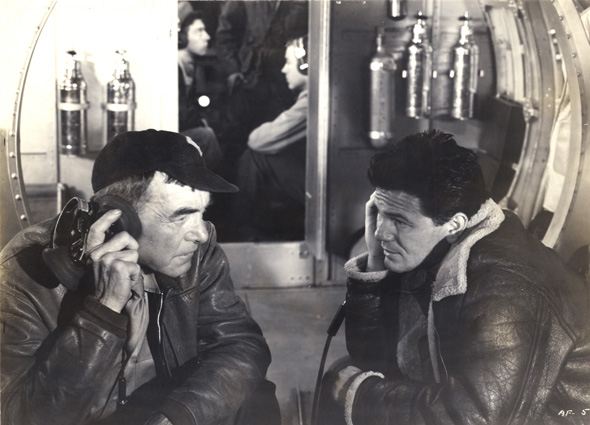
Howard Hawks’s Air Force
Cinema Cluj
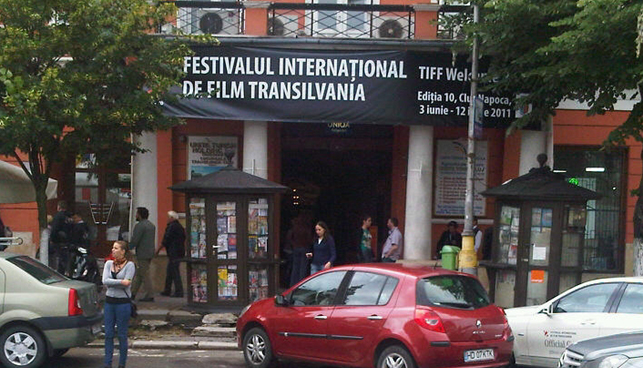
To many of us who love the idea of vampires and Dracula, the notion of a Transylvanian International Film Festival (TIFF) sounds like something dreamed up by Mel Brooks, funny and weird. But surprise, this festival in Cluj, a city—at once medieval, Austro-Hungarian, and modern—of about 350,000 by the foothills of the Carpathian mountains, not only celebrated its 10th anniversary this week, but is a knockout of a film festival.
Leo Hurwitz and Paul Strand’s Native Land
These notes accompany the screenings of Leo Hurwitz and Paul Strand’s </i>Native Land</a> on June 15, 16, and 17 in Theater 2.</p>
For a number of reasons, I had some hesitation about including Native Land in our series. First of all, with two directors, it tends to undermine the argument that film art is a medium with a single primary creator.
Why We Fight: Frank Capra’s WWII Propaganda Films
These notes accompany the screenings of Frank Capra’s </i>Why We Fight</a> WWII propaganda films on June 8, 9, and 10 in Theater 3.</p>
Because everyone went to the movies during World War II, the American government found the film industry to be more helpful in propagandizing the populace than at any time before or since. Americans were movie-mad and generally believed whatever they saw at the local theater.
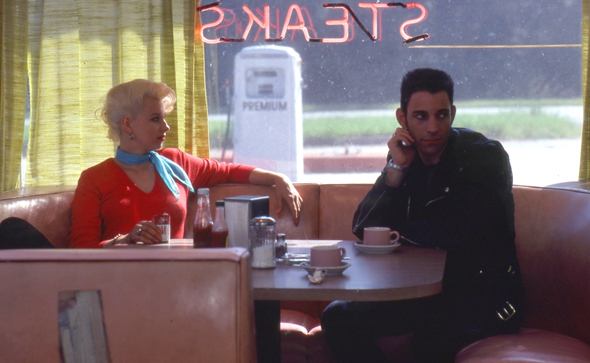
Bringing The Loveless to MoMA
Michael Curtiz’s Casablanca
These notes accompany the screenings of Michael Curtiz’s </i>Casablanca</a> on June 1, 2, and 3 in Theater 1.</p>
In a recent Internet posting, the Writers Guild of America chose Casablanca as the greatest screenplay of all time. The list of 101 titles included only two foreign films—Renoir’s Grand Illusion and Fellini’s 8 1/2—worth including. I don’t know how people find time for such insipid silliness, but they do.
Euzhan Palcy Has Them Dancing in the Aisles
French-Caribbean filmmaker Euzhan Palcy (b. Martinique, 1958) creates politically engaged work exploring themes of race, gender, and social justice from a decidedly feminist perspective. She has written, produced, and directed over 15 fiction features and documentaries since 1983, when her first film, Rue Cases-Nègres (Sugar Cane Alley) won a Silver Lion award at the Venice Film Festival. The director came to The Museum of Modern Art for the opening of her first U.S. career retrospective, Filmmaker in Focus: Euzhan Palcy</a>, (in the MoMA theaters through May 30) and spoke with us about her earliest recollections of filmgoing; her experience as a black woman in the film business; her breakthrough debut; and such signature films as A Dry White Season
If you are interested in reproducing images from The Museum of Modern Art web site, please visit the Image Permissions page (www.moma.org/permissions). For additional information about using content from MoMA.org, please visit About this Site (www.moma.org/site).
© Copyright 2016 The Museum of Modern Art