
MoMA
Posts in ‘An Auteurist History of Film’
May 3, 2011  |  An Auteurist History of Film
Orson Welles’s Citizen Kane
April 26, 2011  |  An Auteurist History of Film
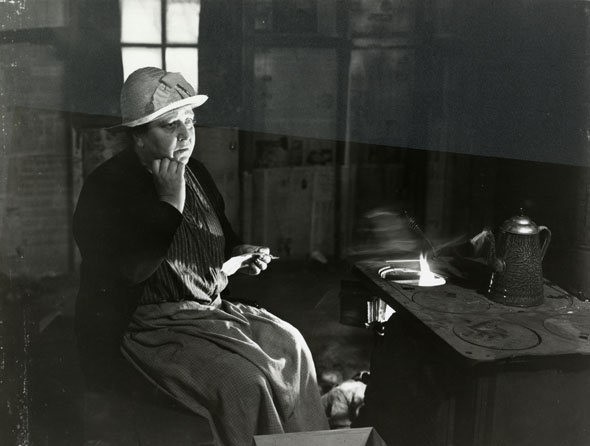
John Ford’s The Grapes of Wrath

The Grapes of Wrath. 1940. USA. Directed by John Ford

The Grapes of Wrath. 1940. USA. Directed by John Ford

These notes accompany the screenings of John Ford’s </i>The Grapes of Wrath</a> on April 27, 28, and 29 in Theater 2.</p>

Orson Welles once told Peter Bogdanovich, “John Ford knows what the earth is made of.” Although Welles probably did not intend this to be a cryptic observation, it does lend itself to several interpretations. It could have certain geologic connotations, referring perhaps to the Paleocene epoch, when complex life began to form. It could also refer to the even more complex development that came after—those troublesome bipeds that became us. If all this sounds a bit pompous for a director who spent much of his early career making mostly mindless two-reel westerns, so be it.

April 19, 2011  |  An Auteurist History of Film
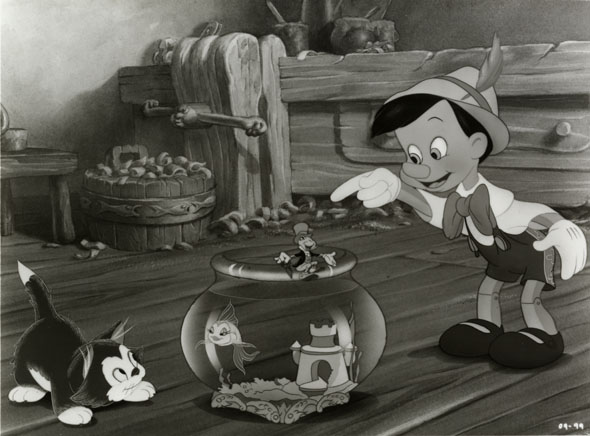
Walt Disney’s Pinocchio
April 12, 2011  |  An Auteurist History of Film
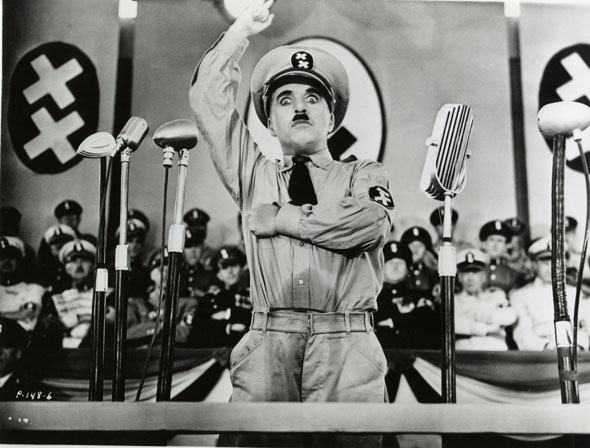
Charles Chaplin’s The Great Dictator

The Great Dictator. 1940. USA. Directed, produced, and written by Charles Chaplin

The Great Dictator. 1940. USA. Directed, produced, and written by Charles Chaplin


These notes accompany the screenings of Charles Chaplin’s </i>The Great Dictator</a> on April 13, 14, and 15 in Theater 3.</p>

The Great Dictator presents unique problems for the historian trying to reconcile Bosley Crowther’s judgment in 1940 that Charles Chaplin’s movie was “perhaps the most significant film ever produced” with the film’s occasionally flawed execution of Chaplin’s grand and noble conception. Because Chaplin (1889–1977) was a universally recognized and beloved personality—whose famous moustache had been stolen by an equally well-known, but far less beloved, comedian-cum-tyrant—his film about Hitler became an event of worldwide consequence.

April 5, 2011  |  An Auteurist History of Film
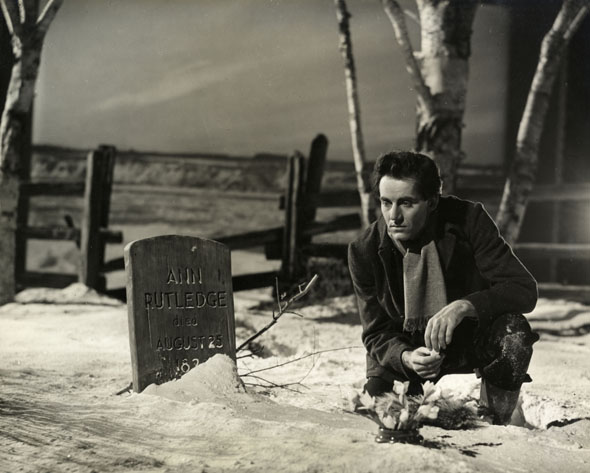
John Ford’s Young Mr. Lincoln
March 29, 2011  |  An Auteurist History of Film
Jean Renoir’s The Rules of the Game

The Rules of the Game. 1939. France. Directed by Jean Renoir

The Rules of the Game. 1939. France. Directed by Jean Renoir

These notes accompany the screenings of Jean Renoir’s </i>The Rules of the Game</a> on March 30, 31, and April 1 in Theater 2.</p>

Saying something new and interesting about La Regle du ju (The Rules of the Game) by Jean Renoir (1894–1979) is more than a challenge. Perhaps no film (with the possible exception of Citizen Kane) has been so universally acclaimed by critics of all stripes and persuasions.

March 22, 2011  |  An Auteurist History of Film
Leo McCarey’s Love Affair

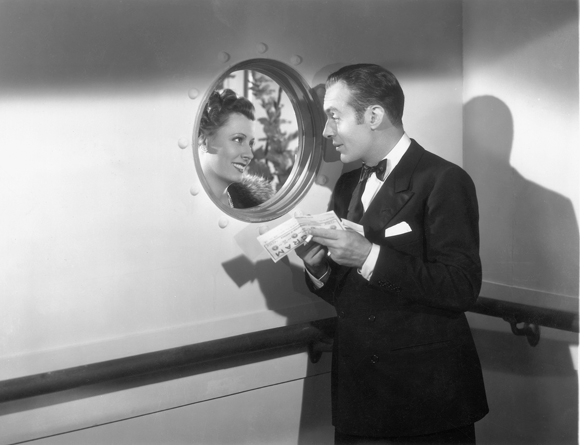
Love Affair. 1939. USA. Directed by Leo McCarey

Love Affair. 1939. USA. Directed by Leo McCarey

These notes accompany the screenings of Leo McCarey’s </i>Love Affair</a> on March 23, 24, and 25 in Theater 2.</p>

Leo McCarey (1898–1969) was a key figure in 1930s Hollywood. We have previously shown two of his Laurel and Hardy shorts; Duck Soup (1933), with the Marx Brothers; and his melancholy meditation on old age, Make Way for Tomorrow (1937). Although we did not include it, The Awful Truth, from the same year, is one of the best screwball comedies, and he made several other noteworthy films during his best decade.

March 15, 2011  |  An Auteurist History of Film
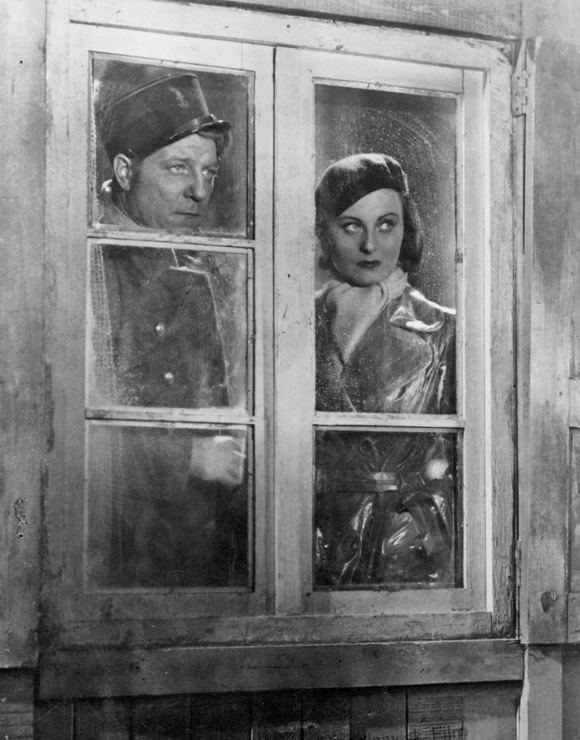
Marcel Carné’s Port of Shadows
March 8, 2011  |  An Auteurist History of Film
Walt Disney’s Snow White and the Seven Dwarfs

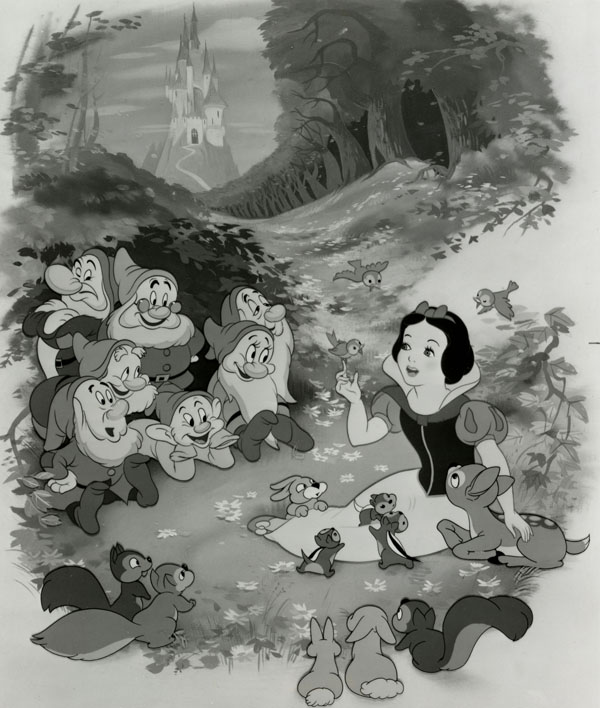
Snow White and the Seven Dwarfs. 1937. USA. Directed by David Hand

Snow White and the Seven Dwarfs. 1937. USA. Directed by David Hand

These notes accompany the screenings of Walt Disney’s </i>Snow White and the Seven Dwarfs</a> on March 9, 10, and 11 in Theater 3.</p>

After excoriating contemporary Hollywood these past two weeks for its evident surrender to the forces of digitization, it may seem a little incongruous to be extolling the virtues of a film that, in its day, represented a kind of technological revolution of its own. No comparable challenge to the existing order in American narrative cinema would come along again until the advent of Star Wars some 40 years later. (I consider Stanley Kubrick’s 2001: A Space Odyssey [1968] to be more experimental than narrative.) The concept of a feature-length movie without human representation—and in Technicolor to boot—must have riled many traditionalists who had endured the innovation of sound only a decade earlier. Snow White and the Seven Dwarfs, which premiered during Christmas week in 1937, was the inevitable culmination of Walt Disney’s financial and artistic success.

March 1, 2011  |  An Auteurist History of Film
Howard Hawks’s Bringing Up Baby

Bringing Up Baby. 1938. USA. Directed by Howard Hawks

Bringing Up Baby. 1938. USA. Directed by Howard Hawks

These notes accompany the screenings of Howard Hawks’s </i>Bringing Up Baby</a> on March 2, 3, and 4 in Theater 3.</p>

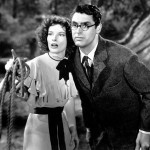
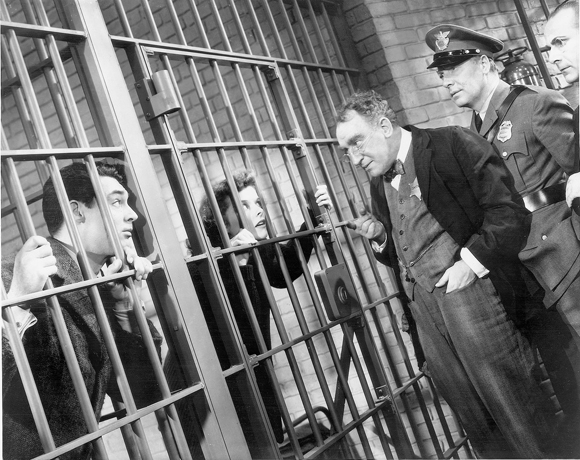
Today’s posting is on Howard Hawks’s Bringing Up Baby, but more on that in a moment. Last week, in praising George Cukor’s Holiday as a product of the Hollywood studio system, I got off onto a bit of a rant about how bad American commercial films have become since the demise of that system. I was completely unaware that Mark Harris covered a lot of the same ground in the February issue of Esquire, in a piece called “The Day the Movies Died.” Harris had much more space, and he knows a great deal more about contemporary Hollywood than I would ever want to know. Although he holds Inception in much higher esteem than I do, the points he makes about the replacement of storytelling skills and character development by technological gimmickry are essentially the same. I promise you I did not know of Harris’s article before I wrote mine. Honest Injun! Cross my heart!