Oil on canvas
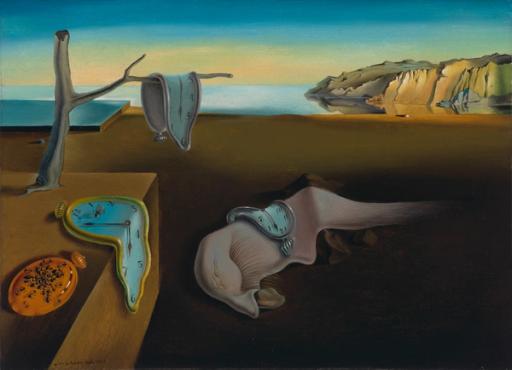
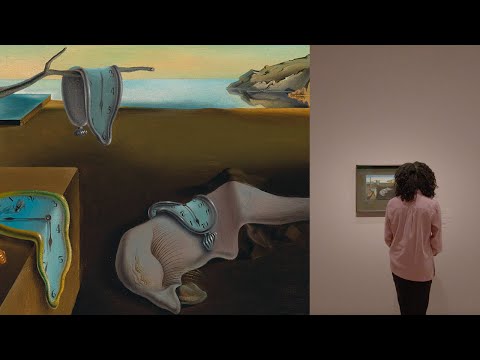
Hard objects become inexplicably limp in this bleak and infinite dreamscape, while metal attracts ants like rotting flesh. Mastering what he called “the usual paralyzing tricks of eye-fooling,” Dalí painted with “the most imperialist fury of precision,” he said, but only “to systematize confusion and thus to help discredit completely the world of reality.” It is the classic Surrealist ambition, yet some literal reality is included, too: the distant golden cliffs are the coast of Catalonia, Dalí’s home.
Those limp watches are as soft as overripe cheese—indeed, they picture “the camembert of time,” in Dalí’s phrase. Here time must lose all meaning. Permanence goes with it: ants, a common theme in Dalí’s work, represent decay, particularly when they attack a gold watch, and they seem grotesquely organic. The monstrous fleshy creature draped across the painting’s center is at once alien and familiar: an approximation of Dalí’s own face in profile, its long eyelashes seem disturbingly insect-like or even sexual, as does what may or may not be a tongue oozing from its nose like a fat snail.
The year before this picture was painted, Dalí formulated his “paranoiac-critical method,” cultivating self-induced psychotic hallucinations in order to create art. “The difference between a madman and me,” he said, “is that I am not mad.”
MoMA Highlights: 375 Works from The Museum of Modern Art, New York (New York: The Museum of Modern Art, 2019)
Explore more
Salvador Dalí
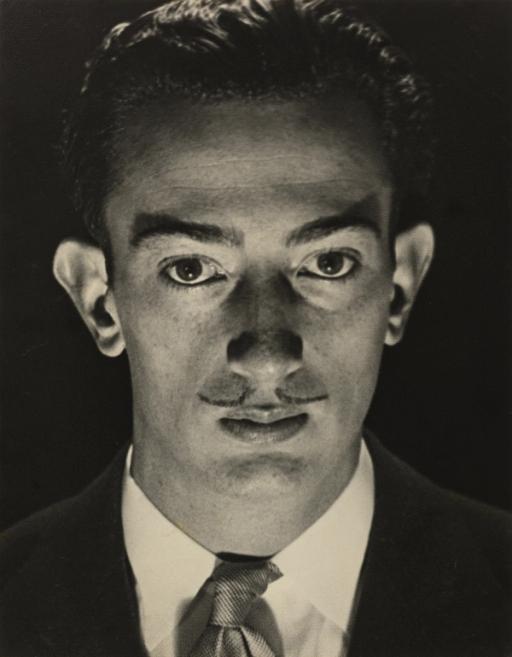
Spanish, 1904–1989 114 works onlineThe artist, author, critic, impresario, and provocateur Salvador Dalí burst onto the art scene in 1929 and rarely left the public eye until his death six decades later.
Learn more →

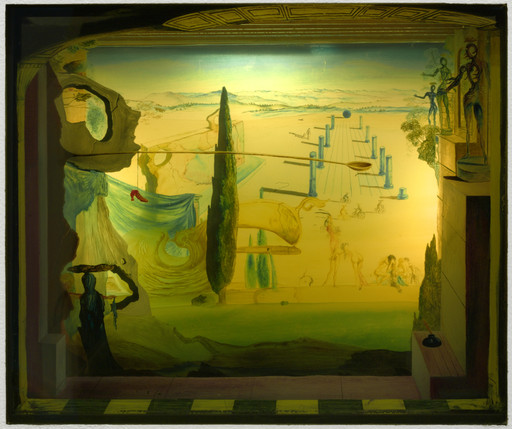
Landscape
The natural landforms of a region; also, an image that has natural scenery as its primary focus.
Learn more →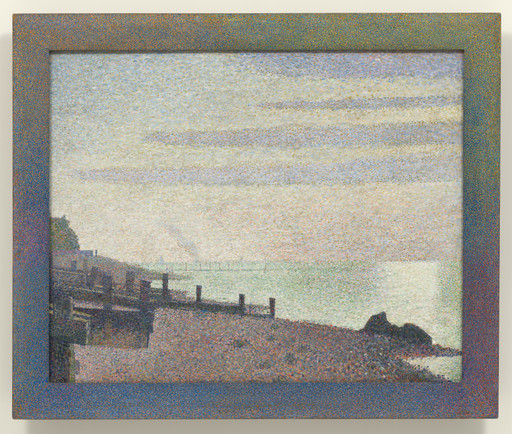
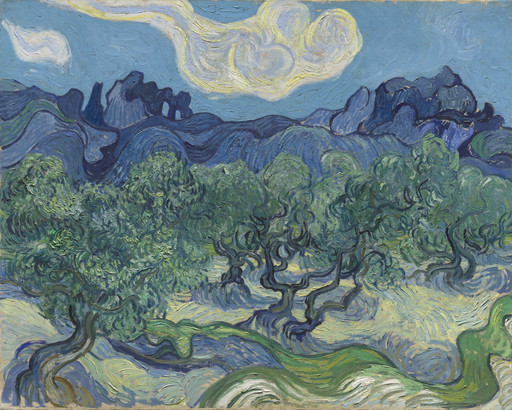
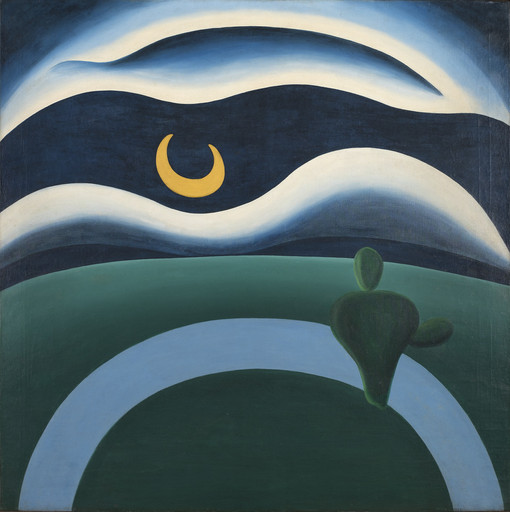
Surrealism
An artistic and literary movement led by French poet and writer André Breton from 1924 through World War II. Drawing on the psychoanalytic theories of Sigmund Freud, the Surrealists sought to overthrow what they perceived as the oppressive rationalism of modern society by accessing the sur réalisme (superior reality) of the subconscious.
Learn more →
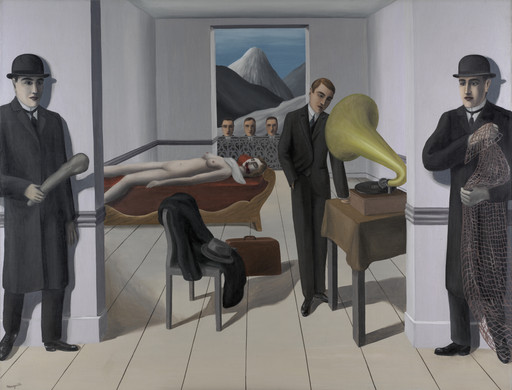
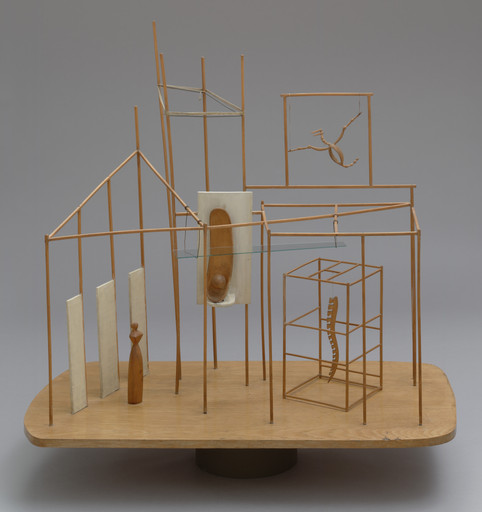
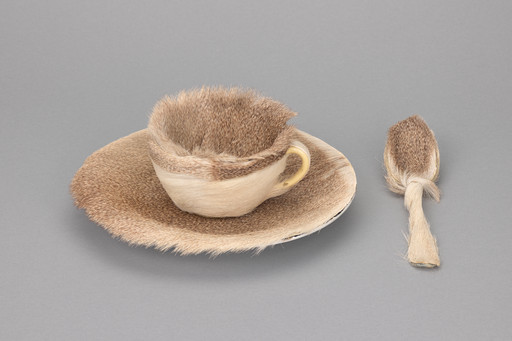
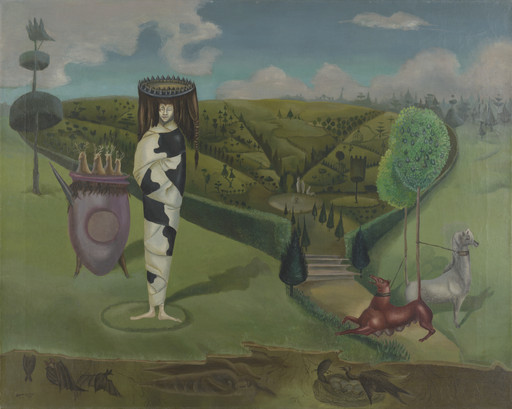
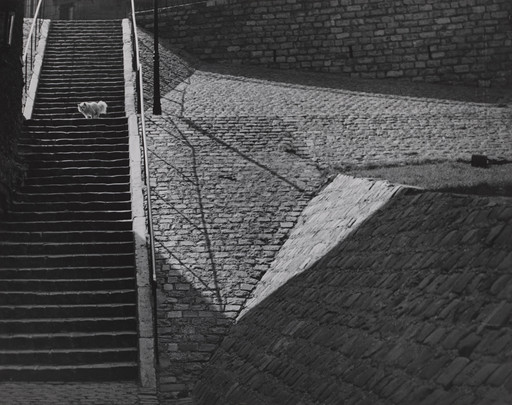
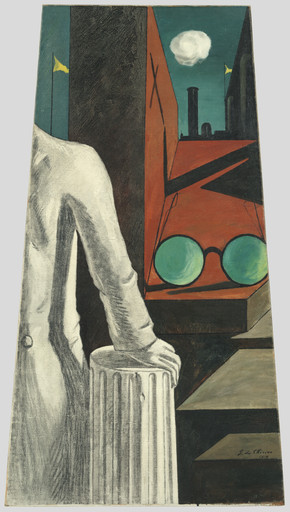
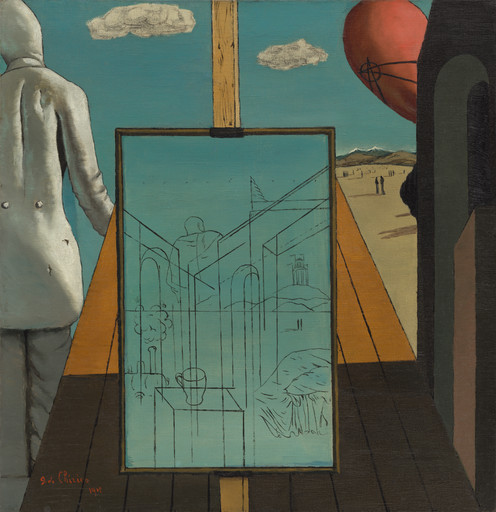
A Surreal Lens
Gallery 517In 1924, André Breton published his Manifesto of Surrealism, which, guided by Sigmund Freud’s psychoanalytic theories, declared a radical break from the rationalism of modern society in favor of imagination, erotic desire, and unconscious thought.
Learn more →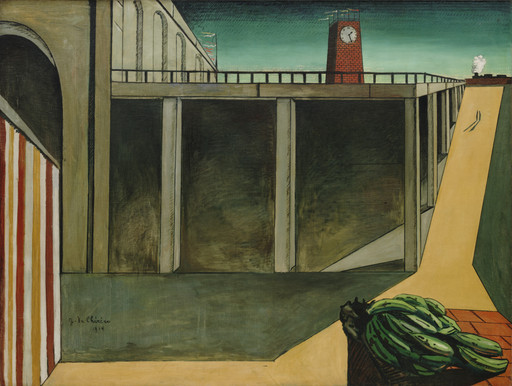


Audio
Audio from the playlist Collection 1880s–1940s
Audio from the playlist Kids
Audio from the playlist Verbal Descriptions
Articles and videos
From MoMA Design Store


Installation views
We have identified this work in the following photos from our exhibition history.
Provenance Research Project
This work is included in the Provenance Research Project, which investigates the ownership history of works in MoMA's collection.
1931, Salvador Dalí, Paris.
1931 - ?, Galerie Pierre Colle, Paris, acquired from the artist.
By 1934, Gallery Julien Levy, New York, purchased from Pierre Colle.
1934, The Museum of Modern Art, New York, purchased from Julien Levy by an anonymous friend of the Museum as a gift.
Provenance research is a work in progress, and is frequently updated with new information. If you have any questions or information to provide about the listed works, please email [email protected] or write to:
Provenance Research Project
The Museum of Modern Art
11 West 53 Street
New York, NY 10019
Licensing
Artwork or archival images
If you would like to reproduce an image of a work of art in MoMA's collection, or an image of a MoMA publication or archival material (including installation views, checklists, and press releases), please contact Art Resource (publication in North America) or Scala Archives (publication in all other geographic locations).
Audio and film clips
MoMA licenses archival audio and select out of copyright film clips from our film collection. At this time, MoMA produced video cannot be licensed by MoMA/Scala. All requests to license archival audio or out of copyright film clips should be addressed to Scala Archives at [email protected]. Motion picture film stills cannot be licensed by MoMA/Scala. For access to motion picture film stills for research purposes, please contact the Film Study Center at [email protected]. For more information about film loans and our Circulating Film and Video Library, please visit Circulating Film and Video Library.
Text from a publication or the archives
If you would like to reproduce text from a MoMA publication, please email [email protected]. If you would like to publish text from MoMA's archival materials, please fill out this permission form and send to [email protected].
Feedback
This record is a work in progress. If you have additional information or spotted an error, please fill out this feedback form.