A sense of menace pervades this work, in which a wooden structure that resembles the foundation of a house is set in a barren landscape, flanked by flames and billowing smoke. A shadow looms across the ground, cast by an unknown source, while, in the distance, a hovering sunflower—considered “the most aggressive of flowers” by the artist—creates its own black shadow.
Tanning painted On Time Off Time in the desert environment of Sedona, Arizona, having relocated there two years earlier with her husband, the artist Max Ernst. It was through Ernst that Tanning had previously met a cohort of Surrealist artists who had fled war-torn Europe and were living in New York. She gained their admiration for her singularly enigmatic images rendered in meticulous detail. Possible biographical clues in On Time Off Time include the depicted structure, which may bear echoes of the three-room cabin that Tanning and Ernst had built in the desert. Yet more than merely a setting, Sedona’s dramatic landscape proved to be generative, forcing Tanning to tune out the surrounding “decibels of nature,” which she found to be “crushing,” and to instead turn to fantasy. “Isn’t that the artist’s best joy,” she remarked, “to rival the sun and moon, to turn their logic upside down?”
MoMA Highlights: 375 Works from The Museum of Modern Art, New York (New York: The Museum of Modern Art, 2019)
Explore more
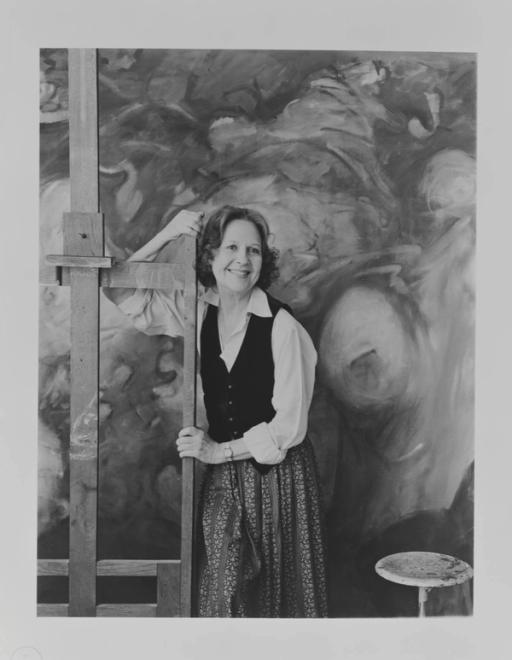
Dorothea Tanning
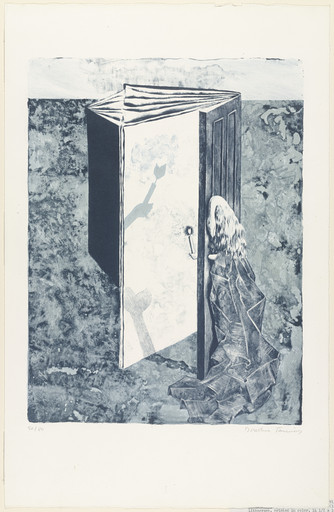
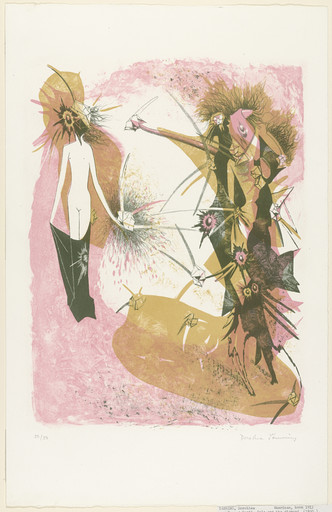
American, 1910–2012 18 works onlineIn 1936 Dorothea Tanning visited The Museum of Modern Art on the occasion of Fantastic Art, Dada, Surrealism , an exhibition of nearly 700 paintings, sculptures, drawings, prints, photographs, and films that each presented a radical departure from day-to-day reality.
Learn more →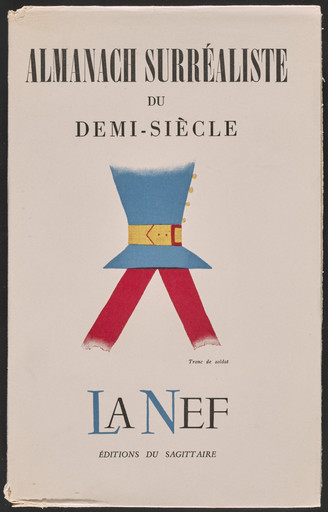
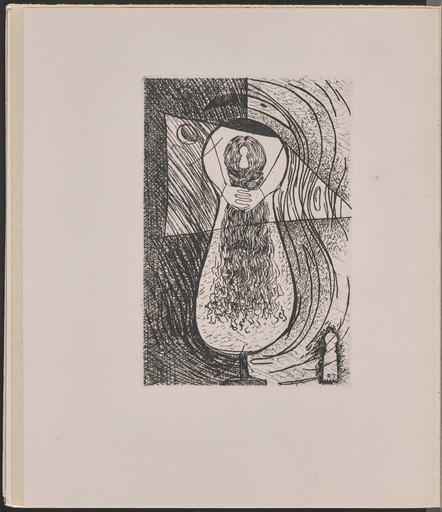
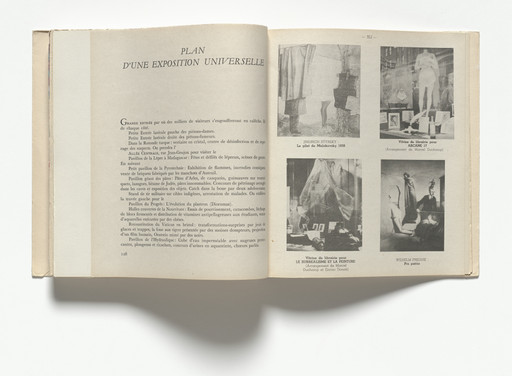
Surrealism
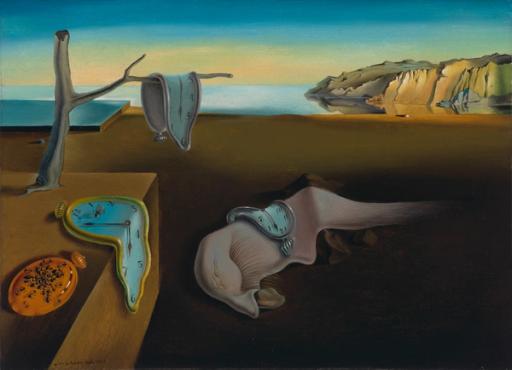
An artistic and literary movement led by French poet and writer André Breton from 1924 through World War II. Drawing on the psychoanalytic theories of Sigmund Freud, the Surrealists sought to overthrow what they perceived as the oppressive rationalism of modern society by accessing the sur réalisme (superior reality) of the subconscious.
Learn more →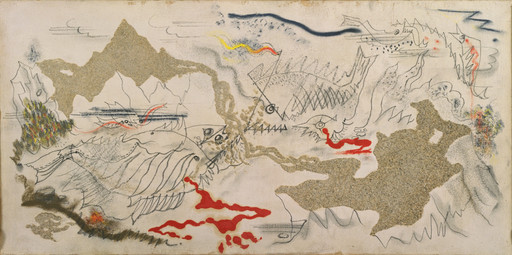
Audio
Audio from the playlist 1880–1950: Works from the Collection
From MoMA Design Store


Installation views
We have identified this work in the following photos from our exhibition history.
Licensing
Artwork or archival images
If you would like to reproduce an image of a work of art in MoMA's collection, or an image of a MoMA publication or archival material (including installation views, checklists, and press releases), please contact Art Resource (publication in North America) or Scala Archives (publication in all other geographic locations).
Audio and film clips
MoMA licenses archival audio and select out of copyright film clips from our film collection. At this time, MoMA produced video cannot be licensed by MoMA/Scala. All requests to license archival audio or out of copyright film clips should be addressed to Scala Archives at [email protected]. Motion picture film stills cannot be licensed by MoMA/Scala. For access to motion picture film stills for research purposes, please contact the Film Study Center at [email protected]. For more information about film loans and our Circulating Film and Video Library, please visit Circulating Film and Video Library.
Text from a publication or the archives
If you would like to reproduce text from a MoMA publication, please email [email protected]. If you would like to publish text from MoMA's archival materials, please fill out this permission form and send to [email protected].
Feedback
This record is a work in progress. If you have additional information or spotted an error, please fill out this feedback form.