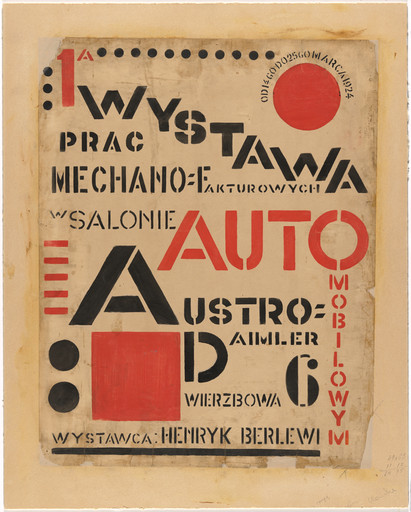
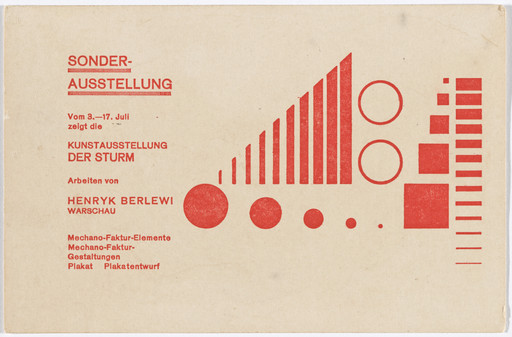
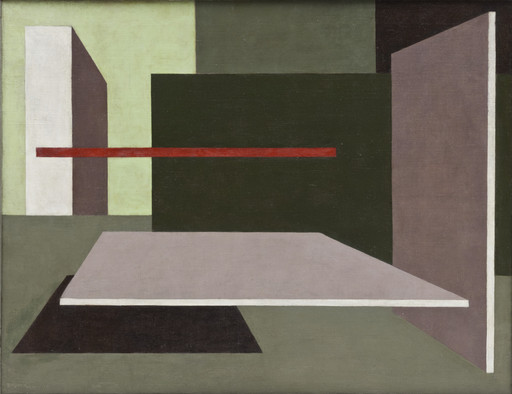
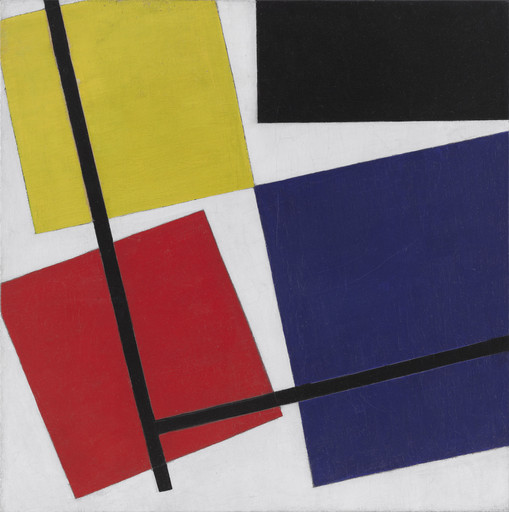
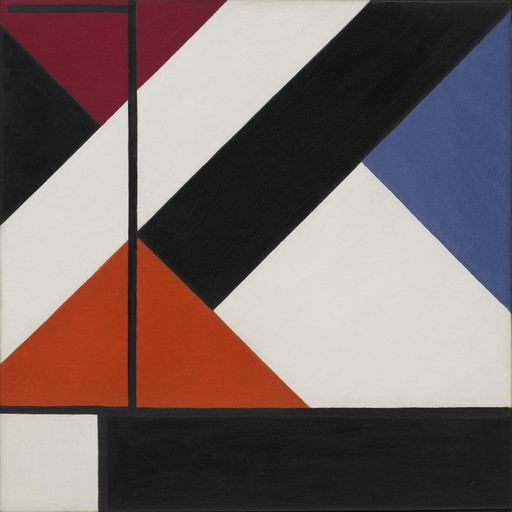
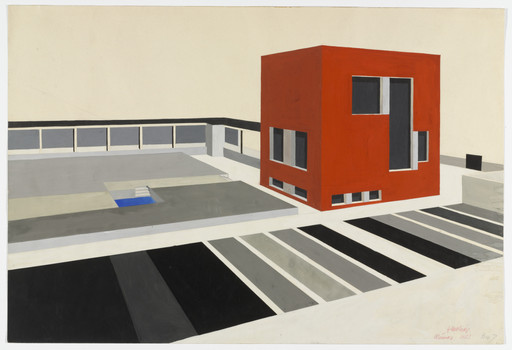
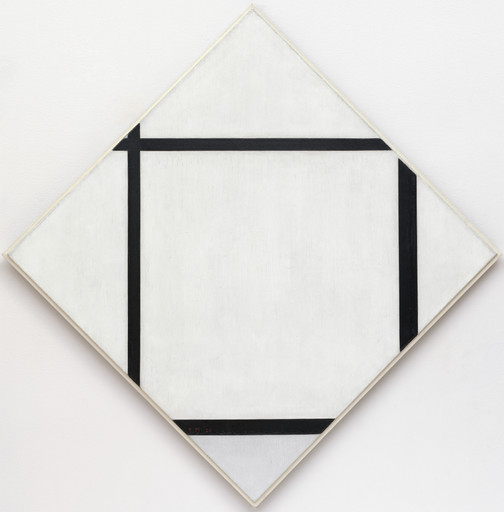
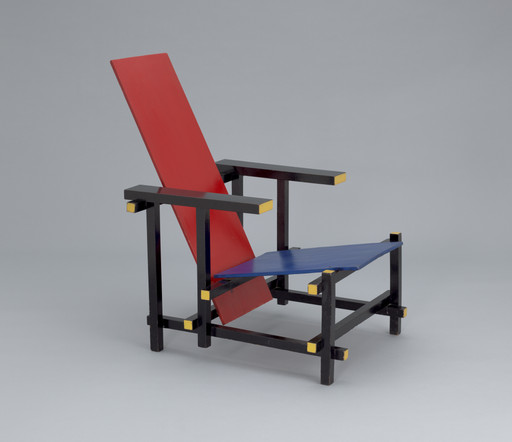
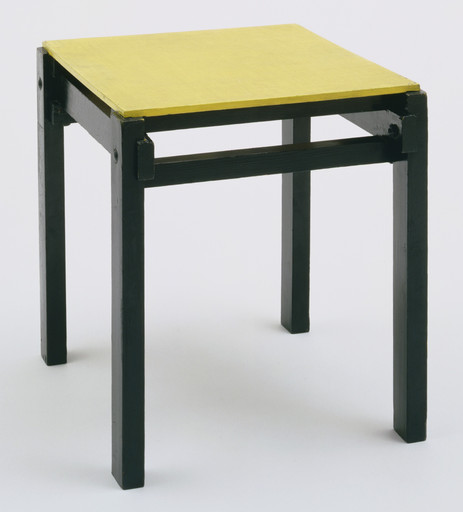
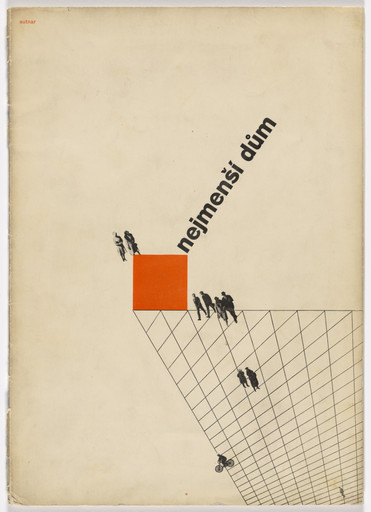
In their 1923 essay “Toward a Collective Construction,” Theo van Doesburg and Cornelis van Eesteren advocated for a “new plastic unity”—a common abstract language of geometric forms and a reduced palette—that would reject “every subjective speculation.” While these artist-authors were associated with the Dutch movement known as de Stijl, this call to move away from individual or national approaches and toward a universal mode of expression was part of a widespread phenomenon.
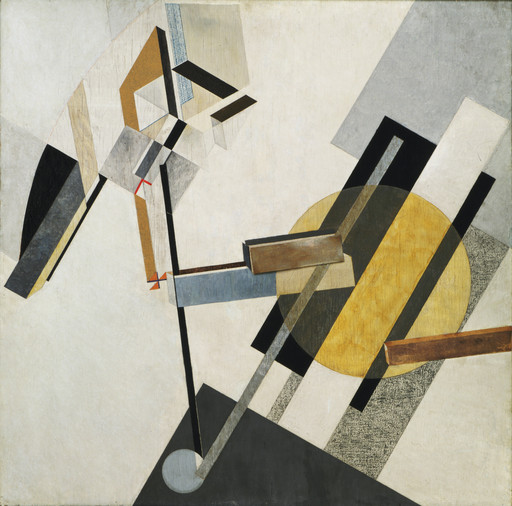
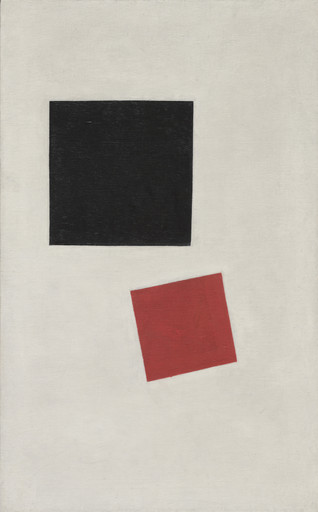
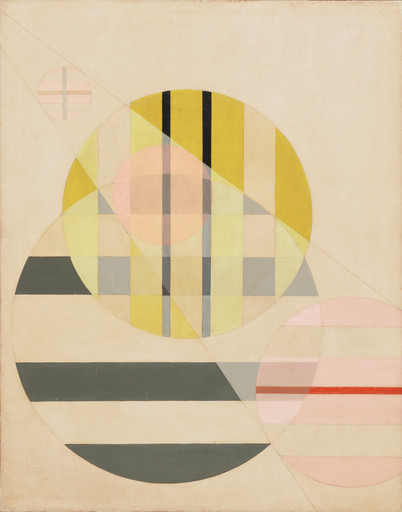
After the 1917 revolution that ended the Russian Empire, such artists as El Lissitzky and Liubov Popova had developed a new, socially engaged approach to abstraction. They emphasized the utilitarian and material aspects of their work, which led them to be called Constructivists. The belief that art could build a new world circulated at international conferences, in books and magazines, through exhibitions, and as individuals traveled and taught. Such exchanges fostered shared avant-garde strategies across Central and Eastern Europe, the Netherlands, and Germany, where they informed the interdisciplinary teachings at the Bauhaus school.
Organized by Samantha Friedman, The Richard Roth Curator, Department of Drawings and Prints with Rachel Remick, Curatorial Associate, Department of Curatorial Affairs and Department of Painting and Sculpture.