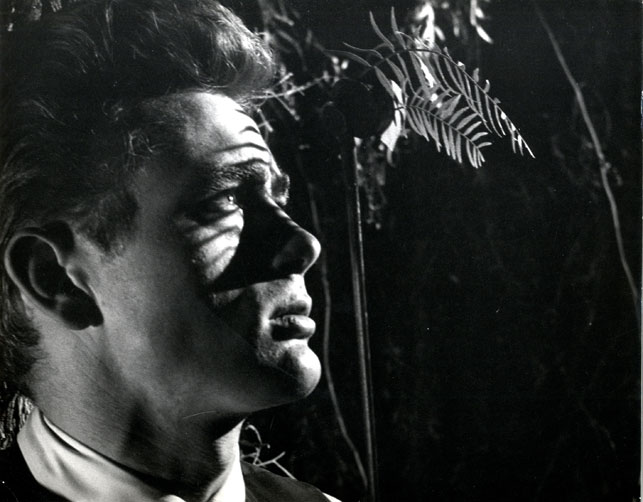
East of Eden. 1955. USA. Directed by Elia Kazan
These notes accompany screenings of Elia Kazan’s East of Eden on January 2, 3, and 4 in Theater 3.
From a technical standpoint, East of Eden marked a new departure for Elia Kazan (1909–2003)


East of Eden. 1955. USA. Directed by Elia Kazan
These notes accompany screenings of Elia Kazan’s East of Eden on January 2, 3, and 4 in Theater 3.
From a technical standpoint, East of Eden marked a new departure for Elia Kazan (1909–2003)
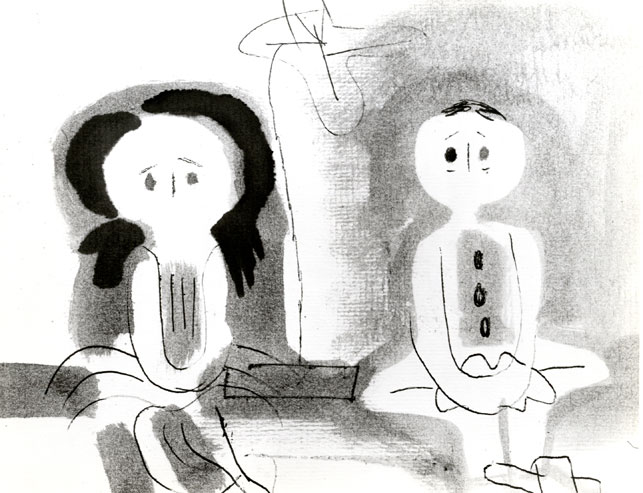
The Tender Game. 1958. USA. Directed by John Hubley
These notes accompany a program of independent animated films screening on December 26, 27, and 28 in Theater 3.
The departure of many animation artists from Disney as a result of labor troubles and a desire for freer expression led to a diffusion of talent and styles in the animation field.
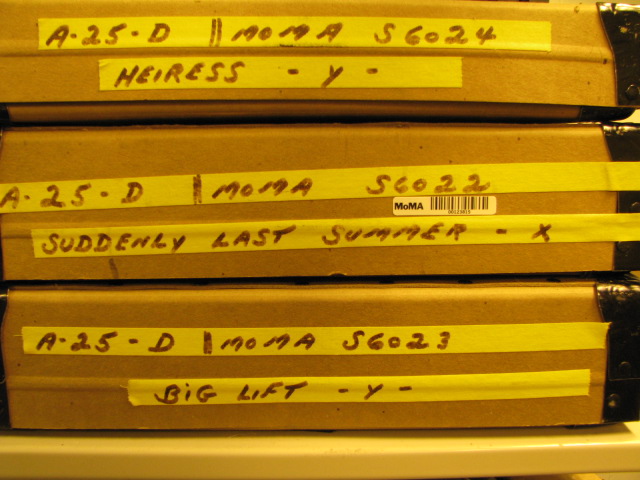
Montgomery Clift collection film cans. Photo by Art Wehrhahn, Celeste Bartos Film Preservation Center manager
The provenance of a work of art is an important part of the acquisition process. What is a provenance? By definition, the noun provenance—with respect to art and archeological specimens—is a place or source of origin.
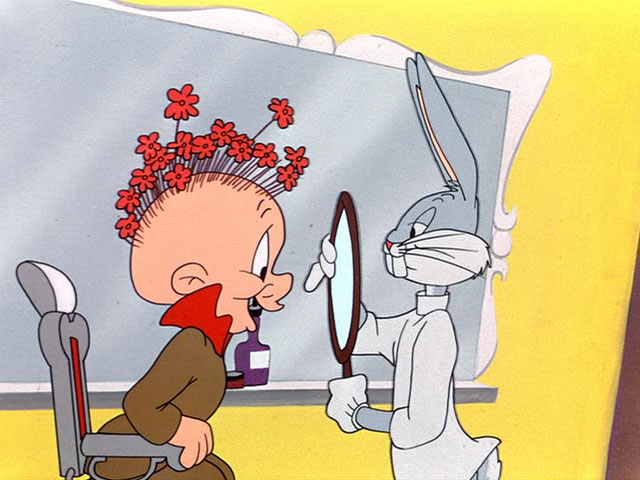
Rabbit of Seville. 1950. USA. Directed by Charles M. (Chuck) Jones
These notes accompany a program of animated films from Hollywood screening on December 19, 20, and 21 in Theater 3.
The Disney and Fleischer studios had been the predominant forces in American animation in the 1920s and into the 1930s (when Warner Brothers entered the market).
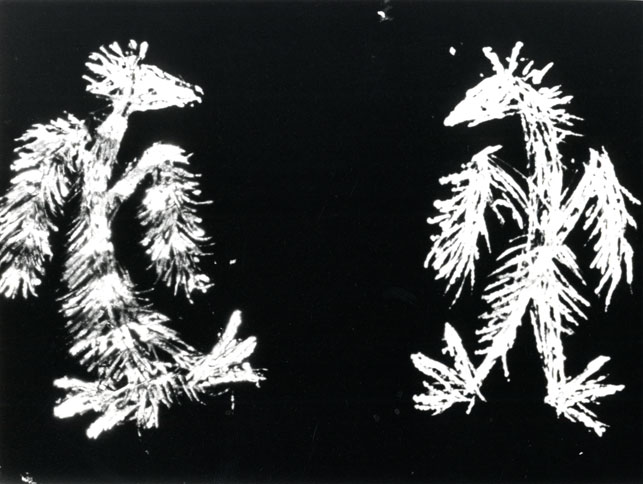
Blinkity Blank. 1955. Canada. Directed by Norman McLaren
The Scottish-born Norman McLaren (1914–1987) was asked by John Grierson to head the animation unit at the National Film Board of Canada in 1941
These notes accompany screenings of Karel Zeman’s The Fabulous World of Jules Verne on December 5, 6, and 7 in Theater 3.
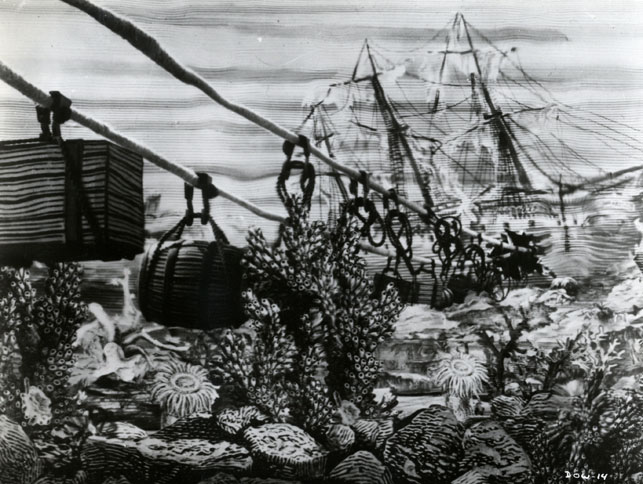
The Fabulous World of Jules Verne. 1958. Czechoslovakia. Written and directed by Karel Zeman
Our series is dedicated this month to an all-too-brief look at developments in the field of animation in the 1940s and 1950s.
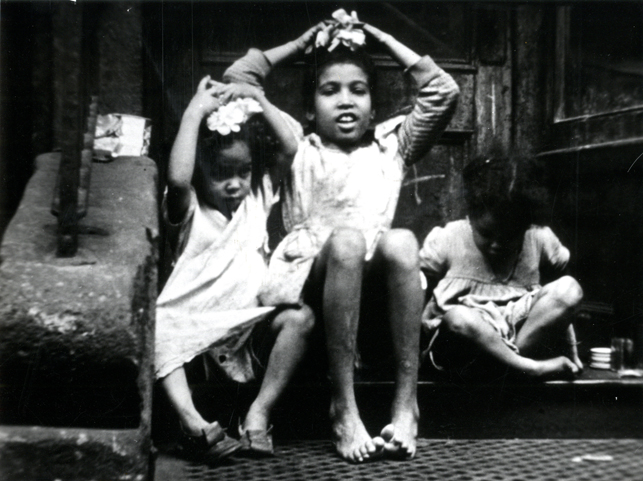
In the Street. 1952. USA. Photographed by Helen Levitt, Janice Loeb, James Agee
These notes accompany a series of short films about New York City in the 1950s on November 28, 29, and 30 in Theater 3.
Cinematic New York street scenes date back to the very beginnings of the medium, in the 1890s.
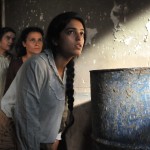
In the video interview above, filmmaker Raja Amari talks about the making of Buried Secrets, her second feature film set in Tunisia, which premiered at the Venice International Film Festival in 2009.
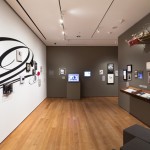
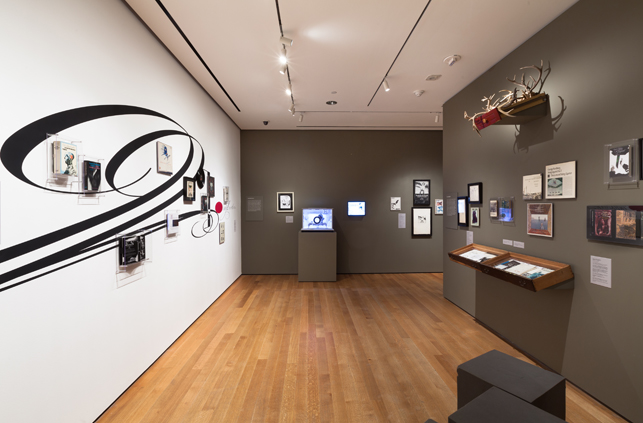
Installation view of Quay Brothers: On Deciphering the Pharmacist’s Prescription for Lip-Reading Puppets at The Museum of Modern Art, 2012. Photo © 2012 Jason Mandella
This summer I served as a curatorial intern assisting curator Ron Magliozzi on the exhibition Quay Brothers: On Deciphering the Pharmacist’s Prescription for Lip-Reading Puppets. My first brush with the Quay brothers, perhaps like most visitors to the Museum’s new retrospective, was entirely tangential.
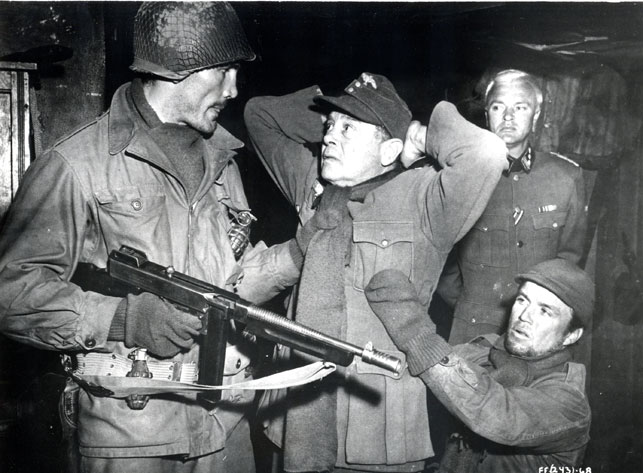
Attack! 1956. USA. Directed by Robert Aldrich
These notes accompany screenings of Robert Aldrich’s Attack! on November 21 and 23 in Theater 3.
Robert Aldrich (1918–1983) imbibed a certain quantity of leftist nourishment through his pre-directorial associations with Jean Renoir
If you are interested in reproducing images from The Museum of Modern Art web site, please visit the Image Permissions page (www.moma.org/permissions). For additional information about using content from MoMA.org, please visit About this Site (www.moma.org/site).
© Copyright 2016 The Museum of Modern Art