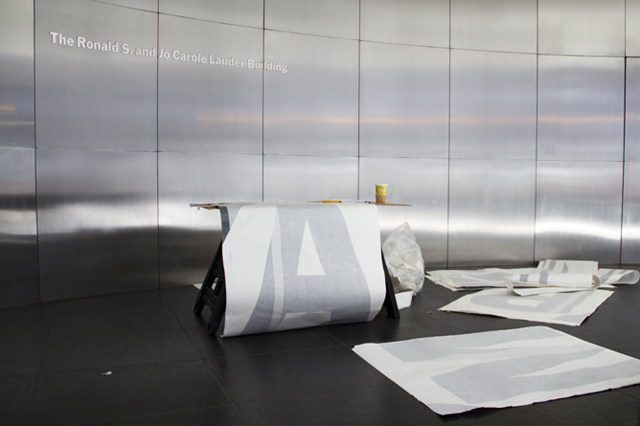
 Most of my friends are seasoned New Yorkers who know their way around the city—where to find the best restaurants, sample sales, and live music—but whenever I invite them to see a film at MoMA with me, I hear, “Oh, MoMA shows film? I had no idea! What, like black-and-white art flicks?”


Posts in ‘Film’
March 22, 2012
|
Behind the Scenes,
Film
Make It Giant: MoMA FILM!
March 20, 2012
|
Film
New Directors/New Films: All in a Good Year’s Work
New Directors/New Films 2012 opens on March 21 with the New York premiere of Nadine Labaki’s Where Do We Go Now?, and continues through April 1 with screenings of 28 more feature films from around the world.
March 15, 2012
|
Artists,
Behind the Scenes,
Film
A Corner in Wheat
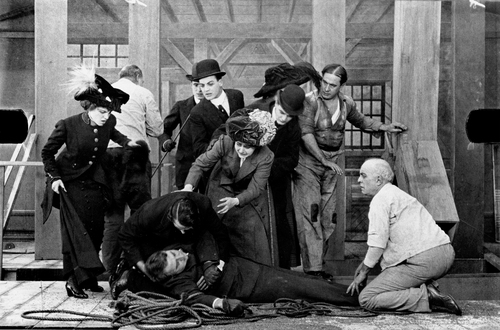
D. W. Griffith. A Corner in Wheat. 1909. USA. Film: 35mm, black-and-white, silent, approx. 15 min. The Museum of Modern Art, New York. Gift of Actinograph Corp. Preserved with funding from The Lillian Gish Trust for Film Preservation
Ripped from the headlines! Based on a true story!
Oftentimes the story on which a film is based derives from real life events. Inspiration from actual historic or contemporaneous incidents is not a new phenomenon in the cinema.
December 8, 2011
|
Film
Temple Drake: Was She Ever Lost?
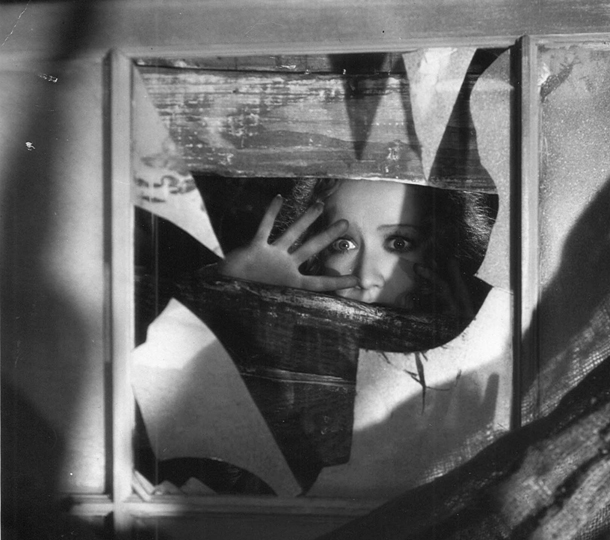
The Story of Temple Drake. 1933. USA. Directed by Stephen Roberts
As part of The Museum of Modern Art’s multiyear institutional collaboration with the High Museum of Art in Atlanta, I was invited to curate a film series that would give filmgoers in Atlanta an opportunity to view historic and contemporary cinematic treasures from MoMA’s Department of Film collection.
November 17, 2011
|
Events & Programs,
Film,
Videos
Celebrating Pedro Almodóvar
Each year, for four years now, The Museum of Modern Art honors a filmmaker of singular importance and influence at a benefit event in support of MoMA’s Department of Film and its exhibition and collection activities. This year we looked for a cinema artist who has been a part of MoMA’s family for long stretches of their career. Pedro Almodóvar fit this description perfectly.
September 29, 2011
|
Artists,
Collection & Exhibitions,
Film
Salvador Dalí Has Left the Building

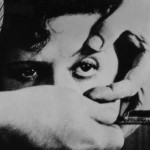
Luis Buñuel and Salvador Dalí. Un Chien andalou. 1928. France. 35mm print, black and white, silent, approx. 16 min. Gift of Luis Buñuel
Between 1964 and 1966 Andy Warhol commenced an ambitious project in which he would photograph, using 16mm motion picture film, his Factory superstars, art world luminaries, underground celebrities, fashionistas, rock and roll gods, bold-faced Hollywood names, drag queens, and aimless teenagers who gravitated to the avant garde, Pop art world of New York in the mid-1960s.

September 22, 2011
|
Film
Yeonghwa: Korean Film Today
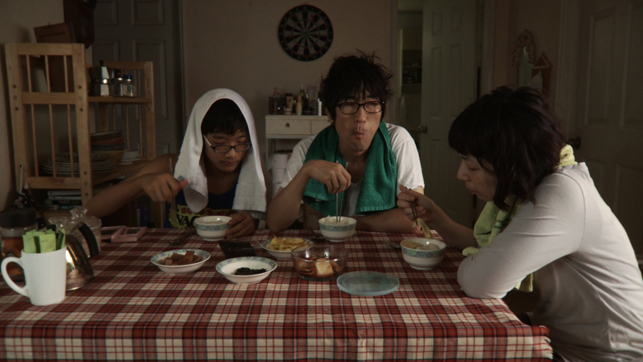
Passerby #3 (Rainbow). 2009. South Korea. Written and directed by Shin Su-won
One learns, I think, a fair amount about a national culture through its cinema, particularly if the culture is as homogenous as is Korea’s, with its rituals, social practices, communal aspirations, tortured history, and earthy cuisine. What is quite special to me is, unlike many other cinemas, that Korean films are made first and foremost for Koreans, because, after all, it is they and not anybody else who speak the language in which the films are made, and, unlike films manufactured by and for the Hollywood studios, they are not made with the export market foremost in mind.
September 9, 2011
|
Film
“Laugh at the Devil”: The “Satan” Films of Roman Polanski
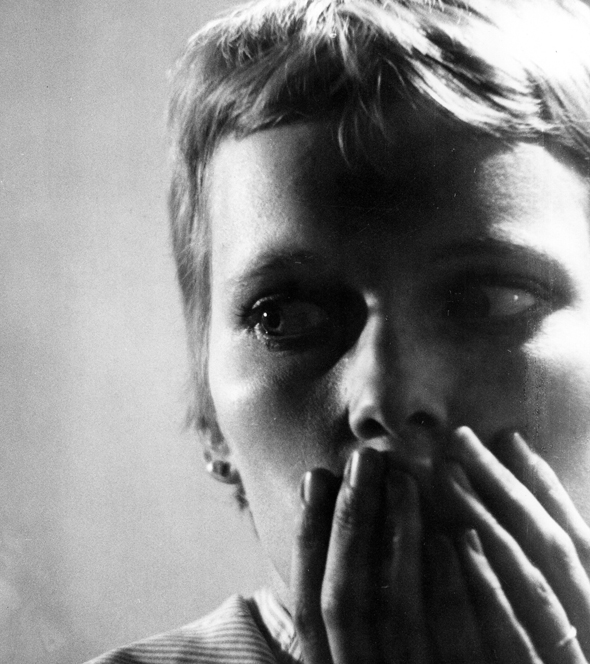
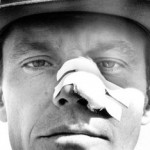
Rosemary's Baby. 1968. USA. Directed by Roman Polanski. Image courtesy Photofest
August 23, 2011
|
Film
Return to Hot and Humid
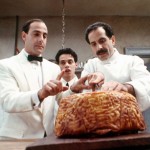
I just returned from a Maine cabin by a large freshwater lake, where I was frightened of the water. Sharks might maul me, or if not sharks, then perhaps a large snapping turtle out of a Roger Corman film (not that I can recall a Corman film with a killer turtle).
August 22, 2011
|
Film
Delights of a Culinary Cineaste
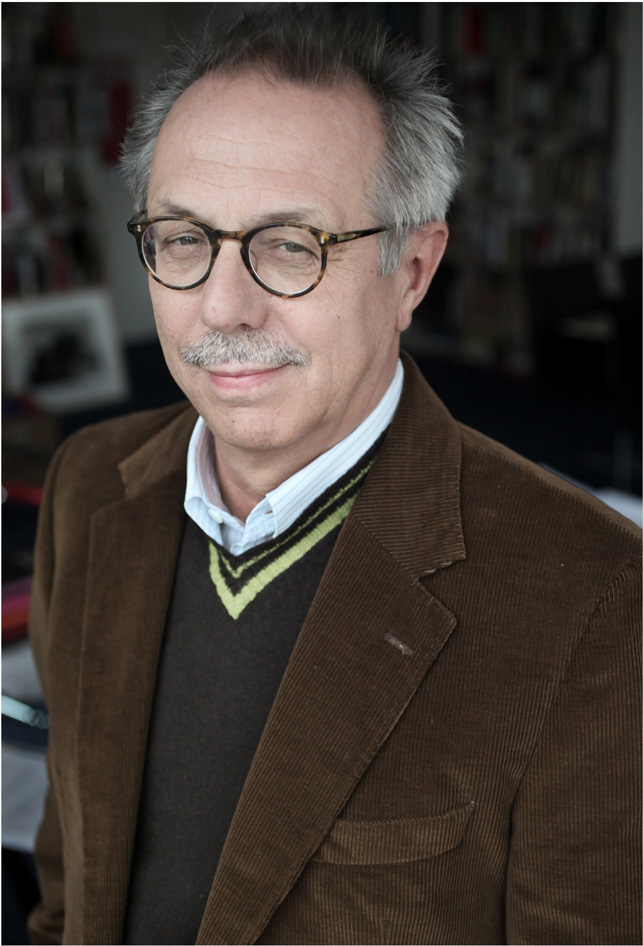
Festival Director Dieter Kosslick. Photo: Amelie Losier. © Berlinale 2010
MoMA has described me as a Culinary Cineaste and given me Carte Blanche to select some of my favorite food films. My sincere thanks to MoMA and to Rajendra Roy for inviting me. What a pleasure and honor, because food is vital, and not just to me.
If you are interested in reproducing images from The Museum of Modern Art web site, please visit the Image Permissions page (www.moma.org/permissions). For additional information about using content from MoMA.org, please visit About this Site (www.moma.org/site).
© Copyright 2016 The Museum of Modern Art
Welcome to MoMA.org. To take full advantage of all the site’s features, including the option to save works in the collection, please upgrade your browser to Firefox,
Google Chrome, Safari, or Internet Explorer 9.
See our help page for more information.
To take full advantage of all of the features on MoMA.org, please upgrade your browser to Firefox, Google Chrome,
Safari, or Internet Explorer 9.