
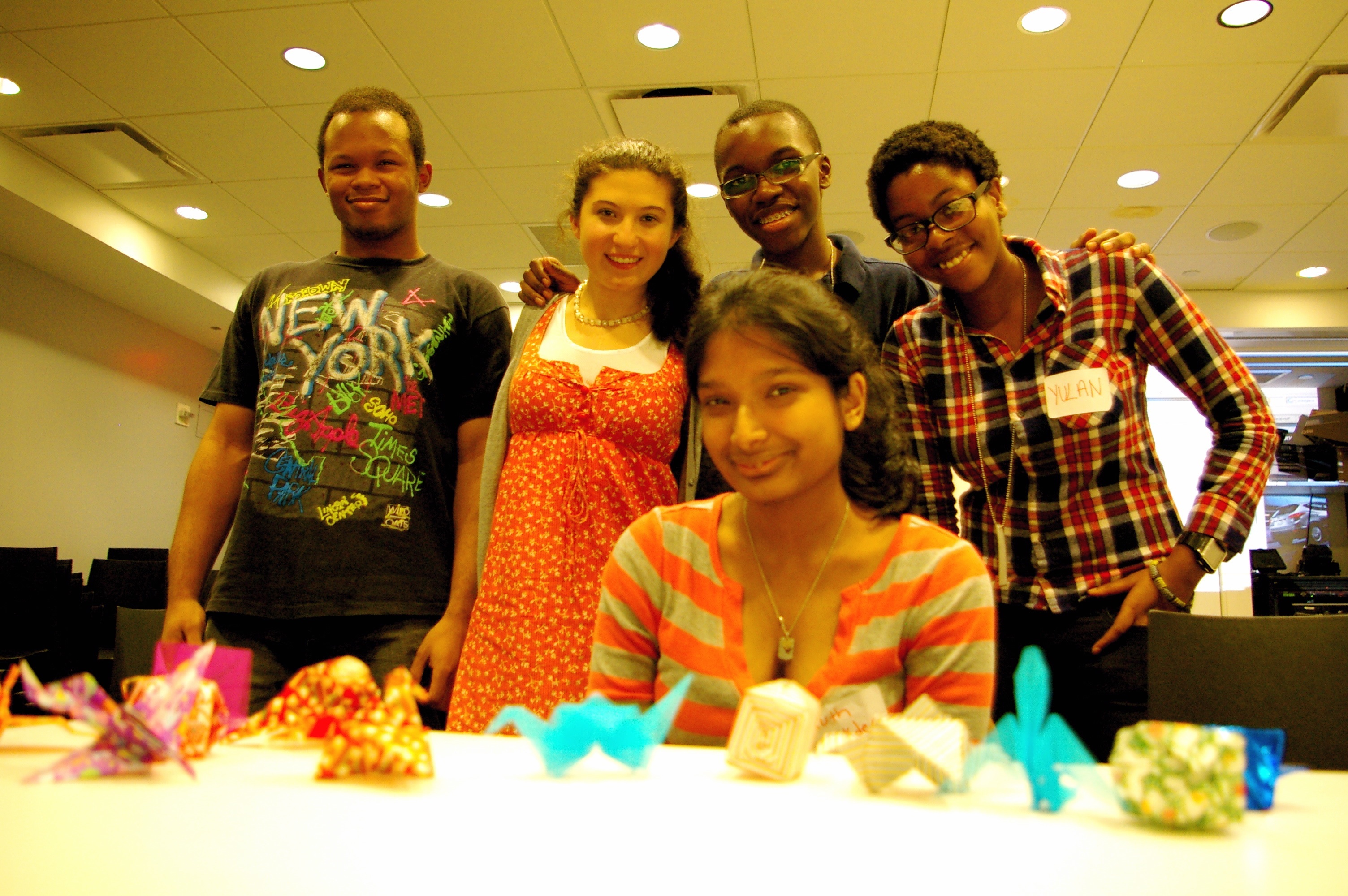
We’re all familiar with the time-honored “What I Did Last Summer” essay. For many of us, this dreaded homework assignment meant trying to glamorize the hours we spent busing tables at a local restaurant or counting license plates on a family road trip. But for five hundred New York City teens, “What I Did Last Summer” is a chance to revisit their experience as participants in The Museum of Modern Art’s intensive studio art program, In the Making: Summer at MoMA.
Posts in ‘Events & Programs’
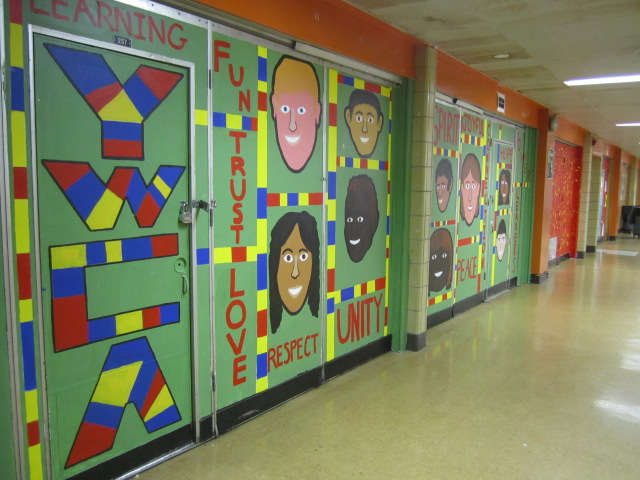
MoMA’s Community Murals: Connecting Students through the Arts
For teens, feeling disconnected from one’s peers, parents, and school is par for the course. In some ways, this disconnect can be a good thing: as teens move away from these childhood bonds, they begin a process of self-discovery and self-realization, figuring out who they are and who they want to be in the process.
Brushes, Canvases, and Paint Optional
What’s so unconventional about painting? According to the teens in MoMA’s Unconventional Painting class, a lot.
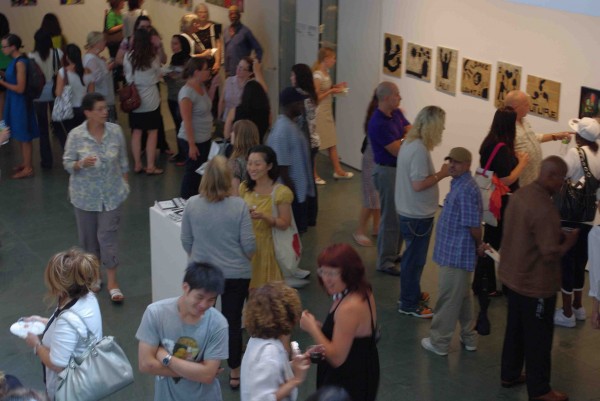
2010 Community Partners Art Show Opening
On Tuesday evening, MoMA held an opening party for our first-ever Community Partners Art Show. On view through July 30 in the lower gallery of the Cullman Education Building, the exhibition showcases artwork created in collaboration with the various populations served through the Museum’s twenty-nine different community partnership organizations. These organizations serve a wide variety of social, economic, and educational needs across a wide section of New York City, and the issues that our Community Partner Organizations address (issues that include but are not limited to homelessness, HIV/AIDS, juvenile incarceration, adult basic education, immigration services, prostitution, drug addiction, family literacy, and job training) are not issues that are immediately associated with traditional museum education.
Rain or Shine: Summergarden Concerts Go On!
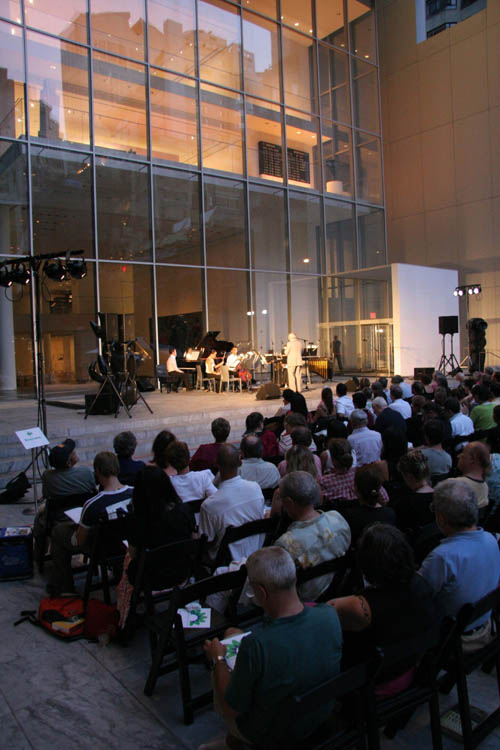
The July 11 opening of Summergarden 2010 draws near. The program book has gone to press. All arrangements are in order. Rehearsals once again show how the remarkable young musicians of the New Juilliard Ensemble can conquer pretty much any musical problem.
Poet Matthea Harvey’s Plans to Slow Rising Currents

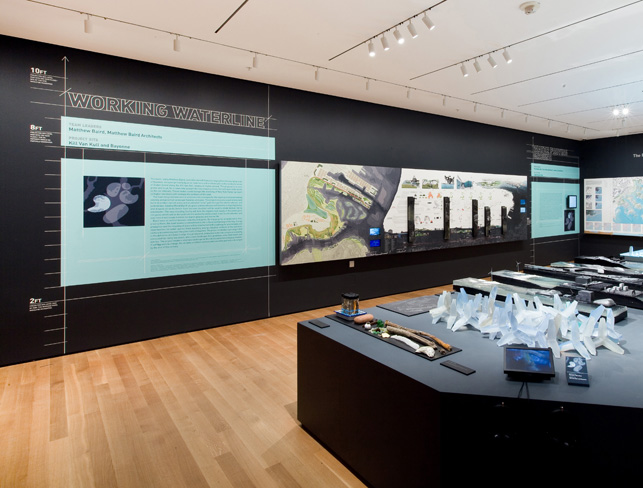
Installation view of Rising Currents: Projects for New York’s Waterfront (on view through October 11). Photo: Jason Mandella
Early this summer, I was asked by MoMA educator Laura Beiles to write a poem responding to the show Rising Currents for a Modern Poets reading that took place aboard the New York Water Taxi on June 29. When I first walked into the gallery space, I was struck by the measuring sticks painted on the walls, showing how much the water will rise in the next century.
Mining Modern Museum Education: Further Considerations
When I received the abstracts for the Mining Modern Museum Education conference—held at MoMA this past Friday, June 25—and read Wendy Woon’s blog posts on the topic, I was particularly sorry I couldn’t attend. It’s thrilling to explore the rich history of museum education, and surprising that so little has been accessible to date.
Greater New York 2010: Artists Present

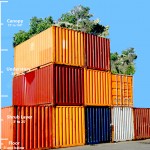
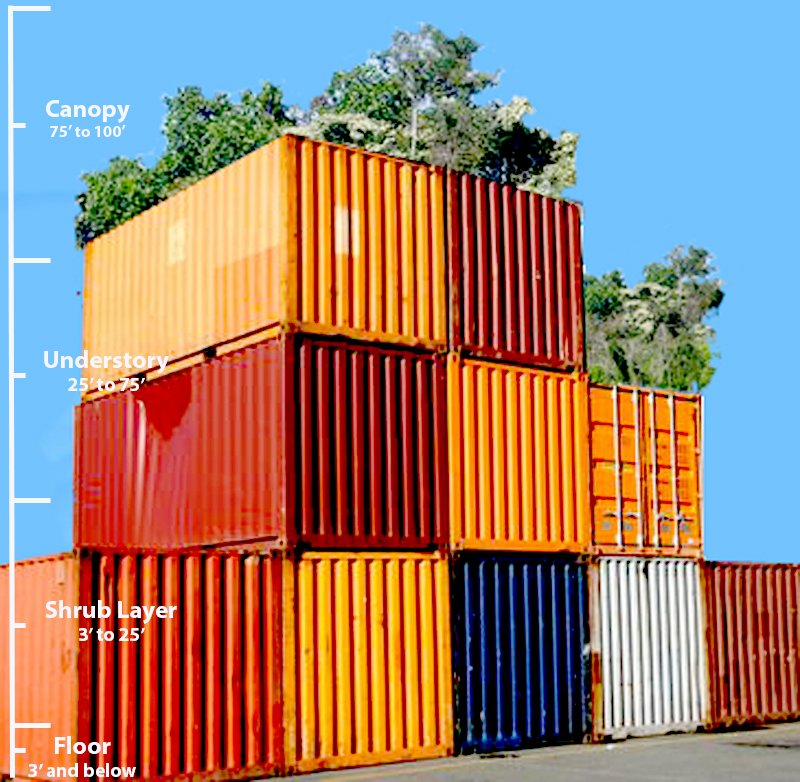
David Brooks. Terra Incognitae—Rainforest Canopy (Cronos version) (installation at the Sculpture Center through July 27, 2010). 2010. Photo courtesy of the artist
How much can you say about a work of art in twenty-five seconds? That’s the challenge we posed to ten artists whose work is featured in Greater New York 2010, on view through October 18, 2010, at MoMA PS1. Last Wednesday, we invited five of these artists to join us at MoMA for the first session of Greater New York 2010: Artists Present, a two-part public program wherein artists in the show are invited to give the public a behind-the-scenes look at their work and their creative processes using a twenty-image PowerPoint presentation. The catch? Each image is only onscreen for twenty-five seconds, and the artists don’t have control of the slideshow! It’s almost like art speed-dating!
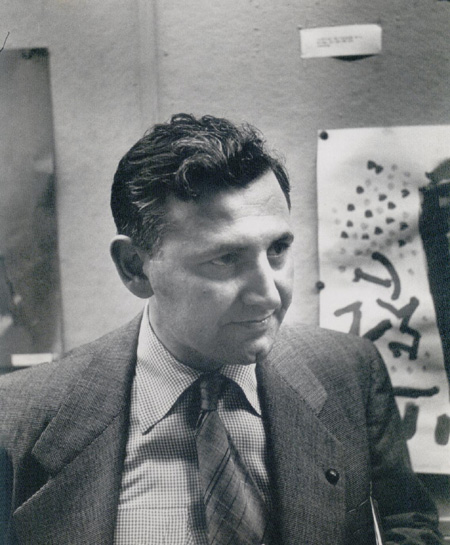
Mining Modern Museum Education: Briley Rasmussen on Victor D’Amico
I often to try to imagine what it was like for MoMA’s first director of education, Victor D’Amico, to build a new, expansive education program dedicated to art with a radically different modern aesthetic at a time when the public was hard hit by the Great Depression.
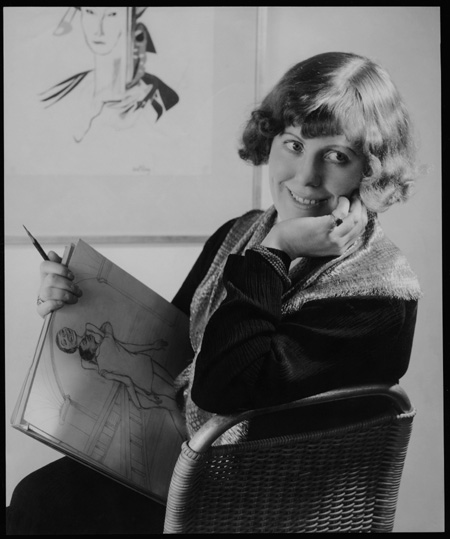
Mining Modern Museum Education: Kim Kanatani on Hilla Rebay

Hilla Rebay in her Carnegie Hall studio, 1935. The Hilla von Rebay Foundation Archives. Photo: Eugene Hutchinson.
I first discovered Hilla Rebay while reading a fascinating book about the life of Peggy Guggenheim, Mistress of Modernism by Mary V. Dearborn, who happened to be my office mate while I was New York City Scholar at the Heyman Center for Humanities at Columbia University several years ago. Peggy’s life was filled with a cast of interesting art world characters, but Hilla Rebay was clearly someone I needed to know more about.
If you are interested in reproducing images from The Museum of Modern Art web site, please visit the Image Permissions page (www.moma.org/permissions). For additional information about using content from MoMA.org, please visit About this Site (www.moma.org/site).
© Copyright 2016 The Museum of Modern Art