Norwegian painter, printmaker, and draftsman Edvard Munch drew from his own life to make work examining what he called, “the modern life of the soul,” encompassing such universal human experiences as birth, innocence, love, sexual passion, melancholy, anger, jealousy, despair, anxiety, illness, and death. In Melancholy III (Melankoli III), the entire seaside landscape becomes an expression of Munch’s mood, and the pensive foreground figure seems embedded into his surroundings.
Munch believed that conveying emotion was more important than making naturalistic images of the world. As he wrote, “Nature is not something that can be seen by the eye alone—it lies also within the soul, in pictures seen by the inner eye.” Ultimately, painting became a kind of religious endeavor for him, a means through which he hoped to “understand the meaning of life [and] help others gain an understanding of their lives.”
Explore more
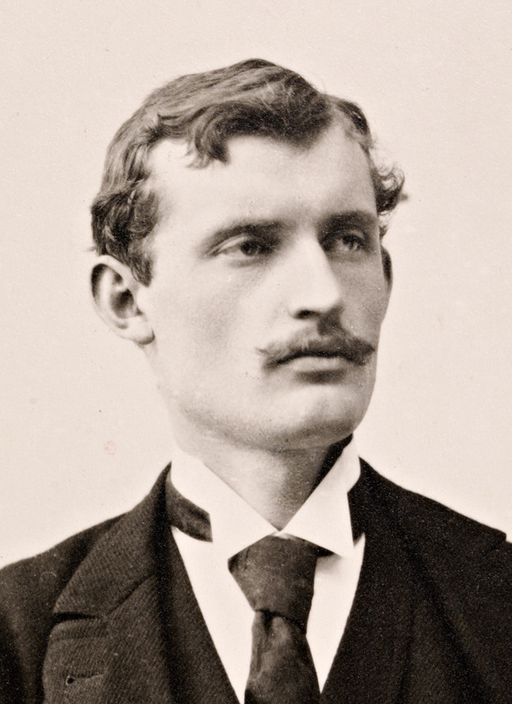
Edvard Munch
Norwegian, 1863–1944 73 works onlineFor Edvard Munch, 1893 was a year of screams. In the fall, the Norwegian artist produced two versions of The Scream , his now iconic image of personal and universal anguish. ” he later wrote.
Learn more →
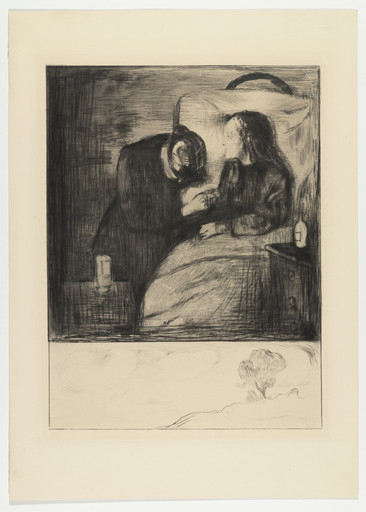
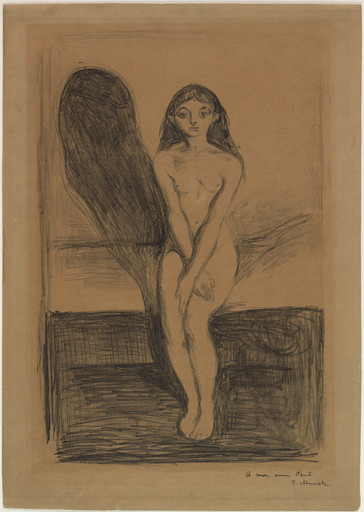
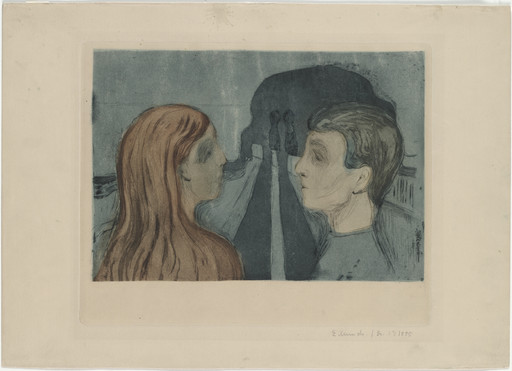
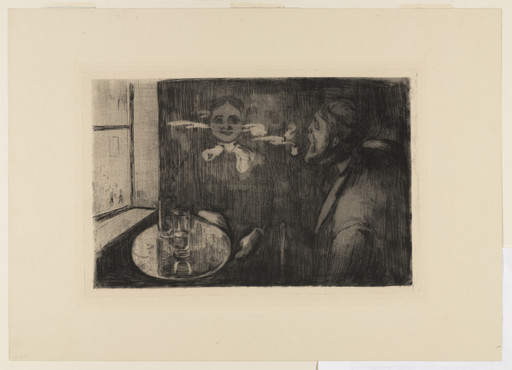
Expressionism
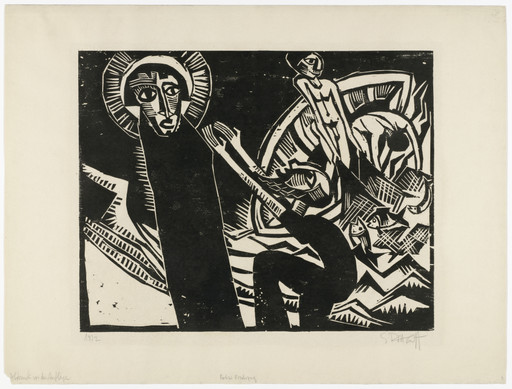
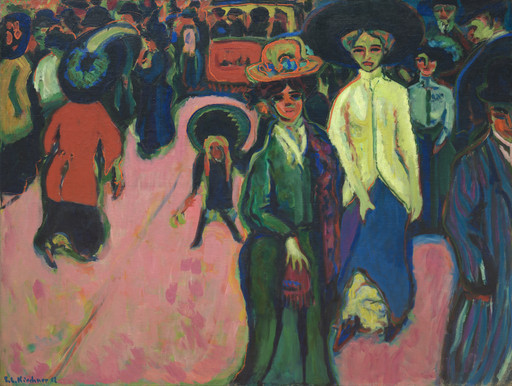
Encompasses varying stylistic approaches that emphasize intense personal expression. Renouncing the stiff bourgeois social values that prevailed at the turn of the 20th century, and rejecting the traditions of the state-sponsored art academies, Expressionist artists turned to boldly simplified or distorted forms and exaggerated, sometimes clashing colors.
Learn more →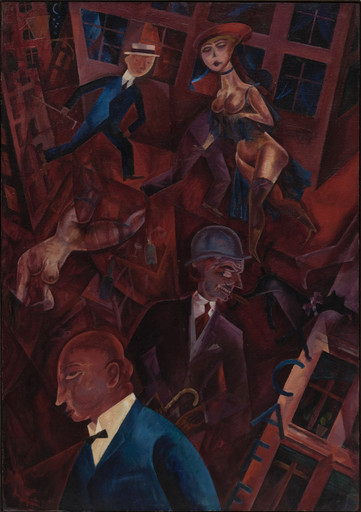
From MoMA Design Store


Installation views
We have identified this work in the following photos from our exhibition history.
Provenance Research Project
This work is included in the Provenance Research Project, which investigates the ownership history of works in MoMA's collection.
Galerie Beyeler, Basel; [sold to Hauswedell, Hamburg, 1966]; sold through Kornfeld & Klipstein, Bern, auction #121 (lot #759) to Heinz Berggruen/Contemporary Art Establishment, Zurich, June 11, 1966; sold to The Museum of Modern Art, New York, 1968.
Provenance research is a work in progress, and is frequently updated with new information. If you have any questions or information to provide about the listed works, please email [email protected] or write to:
Provenance Research Project
The Museum of Modern Art
11 West 53 Street
New York, NY 10019
Licensing
Artwork or archival images
If you would like to reproduce an image of a work of art in MoMA's collection, or an image of a MoMA publication or archival material (including installation views, checklists, and press releases), please contact Art Resource (publication in North America) or Scala Archives (publication in all other geographic locations).
Audio and film clips
MoMA licenses archival audio and select out of copyright film clips from our film collection. At this time, MoMA produced video cannot be licensed by MoMA/Scala. All requests to license archival audio or out of copyright film clips should be addressed to Scala Archives at [email protected]. Motion picture film stills cannot be licensed by MoMA/Scala. For access to motion picture film stills for research purposes, please contact the Film Study Center at [email protected]. For more information about film loans and our Circulating Film and Video Library, please visit Circulating Film and Video Library.
Text from a publication or the archives
If you would like to reproduce text from a MoMA publication, please email [email protected]. If you would like to publish text from MoMA's archival materials, please fill out this permission form and send to [email protected].
Feedback
This record is a work in progress. If you have additional information or spotted an error, please fill out this feedback form.