Not on view
A leading figure of the European avant-garde between the two world wars, in 1921 Rodchenko coauthored the "Constructivist Manifesto," which advocated the use of new materials and photomechanical processes in the creation of collective social knowledge and networks of communication. He collaborated with writers Osip Brik, Nikolai Aseev, Vladimir Mayakovsky, and Sergei Tret'iakov on the covers and layouts for the Soviet avantgarde journals Lef and Novyi Lef. Rodchenko and his comrades popularized the idea of "factography" through these journals and other documentary projects designed to record the technical and cultural revolutions occurring in the Soviet Union in the 1920s. The Lef-associated filmmaker Dziga Vertov wrote, "We must form a FI LM FACTORY OF FACTS" and mobilized others in Filming Facts. Sorting facts. Disseminating facts. Agitating with facts. Propaganda with facts. Fists made of facts." Rodchenko was committed to actively transforming reality through mass communication, and he believed that pictures emphasizing odd camera angles, radical foreshortening, and close-ups would energize a mass audience.
The Shaping of New Visions: Photography, Film, Photobook, April 16, 2012–April 29, 2013.
Explore more
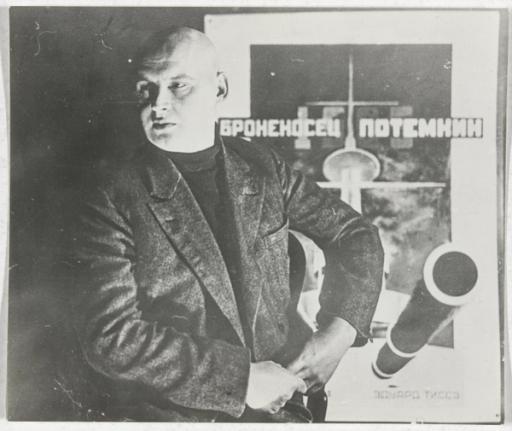
Aleksandr Rodchenko
Russian, 1891–1956 247 works onlineWhen The Museum of Modern Art’s first director, Alfred H. Barr, Jr. , met Aleksandr Rodchenko on his trip to Moscow in 1927—one of the first times an Anglophone art historian had visited the Soviet Union in the years since the Russian Revolution—he wrote, “Rodchenko showed us an appalling variety of things— Suprematist paintings (preceded by the earliest geometrical things I’ve seen, 1915, done with compass)— woodcuts , linoleum cuts , posters , book designs, photographs , kino sets, etc….
Learn more →



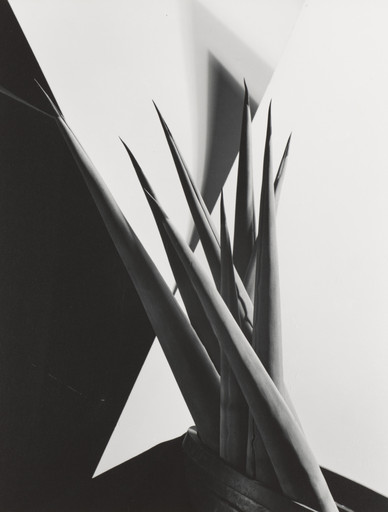
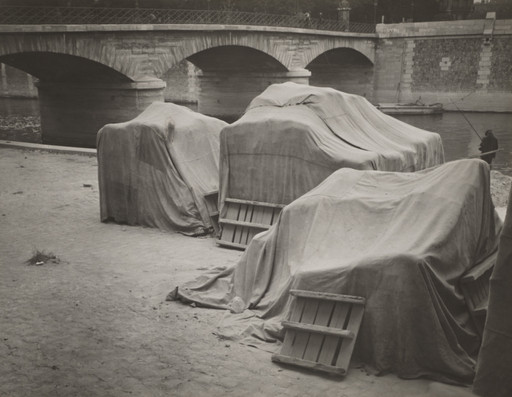
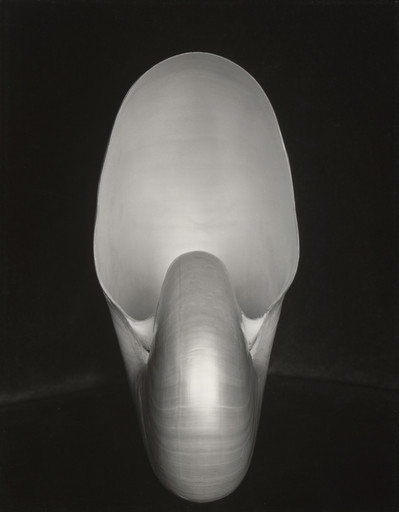
From MoMA Design Store


Installation views
We have identified this work in the following photos from our exhibition history.
Licensing
Artwork or archival images
If you would like to reproduce an image of a work of art in MoMA's collection, or an image of a MoMA publication or archival material (including installation views, checklists, and press releases), please contact Art Resource (publication in North America) or Scala Archives (publication in all other geographic locations).
Audio and film clips
MoMA licenses archival audio and select out of copyright film clips from our film collection. At this time, MoMA produced video cannot be licensed by MoMA/Scala. All requests to license archival audio or out of copyright film clips should be addressed to Scala Archives at [email protected]. Motion picture film stills cannot be licensed by MoMA/Scala. For access to motion picture film stills for research purposes, please contact the Film Study Center at [email protected]. For more information about film loans and our Circulating Film and Video Library, please visit Circulating Film and Video Library.
Text from a publication or the archives
If you would like to reproduce text from a MoMA publication, please email [email protected]. If you would like to publish text from MoMA's archival materials, please fill out this permission form and send to [email protected].
Feedback
This record is a work in progress. If you have additional information or spotted an error, please fill out this feedback form.