To make this picture, Talbot laid a piece of lace on chemically sensitized paper and allowed the light of the sun gradually to fix its negative image precisely, down to the smallest fold or imperfection. This simple operation had never been possible before photography was invented.
The invention was made public in January 1839, when France announced the daguerreotype as its gift to the world. Talbot, who independently had invented another form of photography several years earlier, then quickly stated his own claim. His process, in which any number of positive paper prints could be made from a single negative, soon triumphed over the daguerreotype process, which produced unique pictures on metal.
Talbot's Lace is not merely a copy of unprecedented ease and fidelity. It is also a picture, which transposed the lace from the realm of objects to the realm of pictures, where it has enjoyed a new and unpredictable life.
The Museum of Modern Art, MoMA Highlights, New York: The Museum of Modern Art, revised 2004, originally published 1999, p. 30.
Explore more
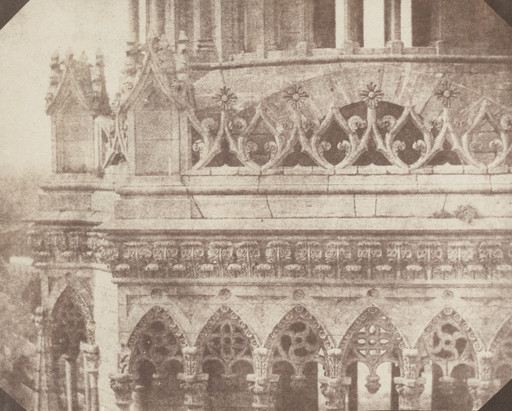
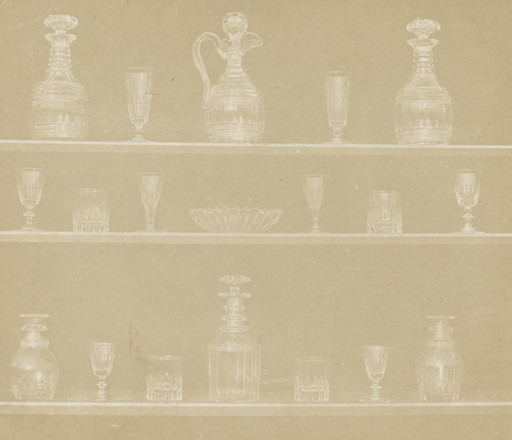
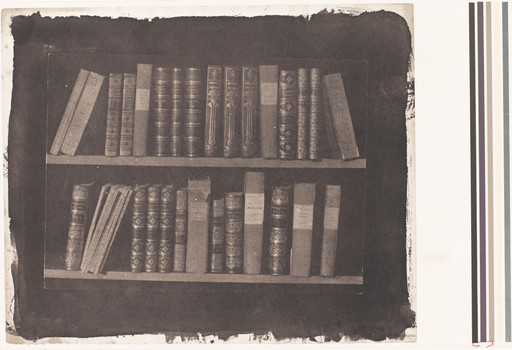
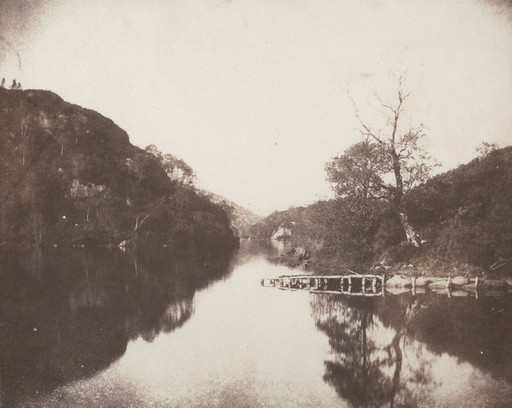
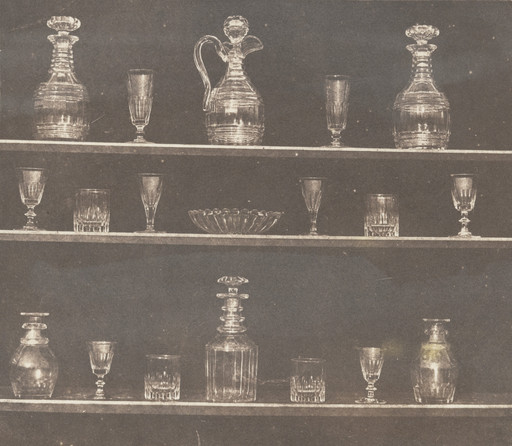
Cameraless photography
Cameraless photographs are created by manipulating light, radiation, and/or chemicals to leave an impression on photo-sensitive paper. Examples include techniques such as cyanotypes (commonly known as blueprints), radiographs (commonly known as X-rays), chemigrams, and photograms.
Learn more →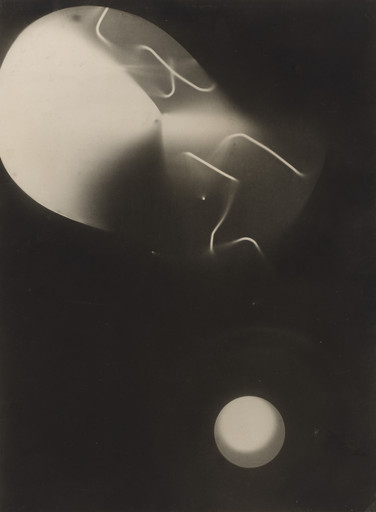
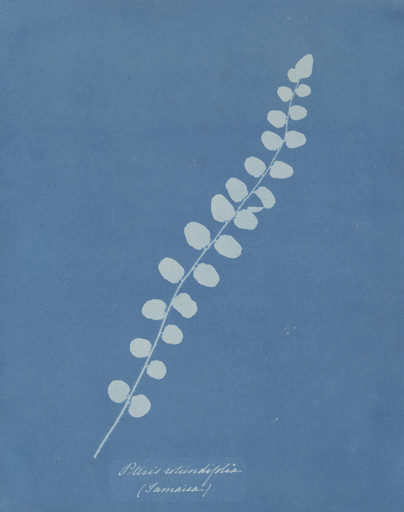
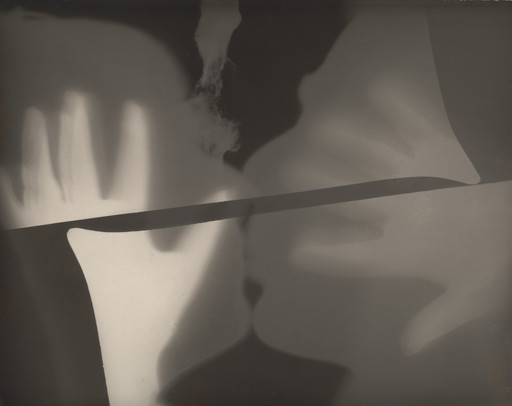
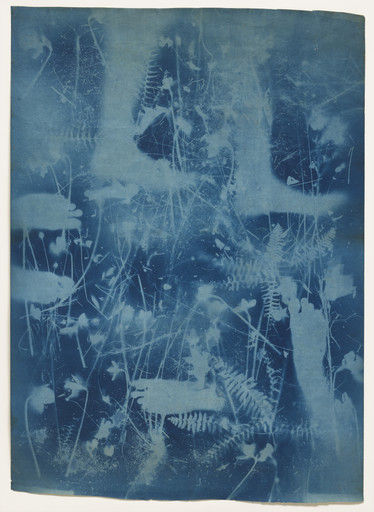
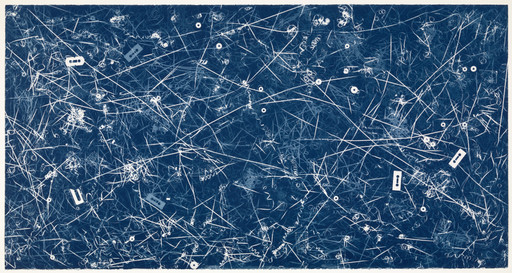
Photogram
One of the earliest forms of photography, a photogram is a photograph produced without a camera, typically by placing an object directly onto a light-sensitive surface and exposing it to light.
Learn more →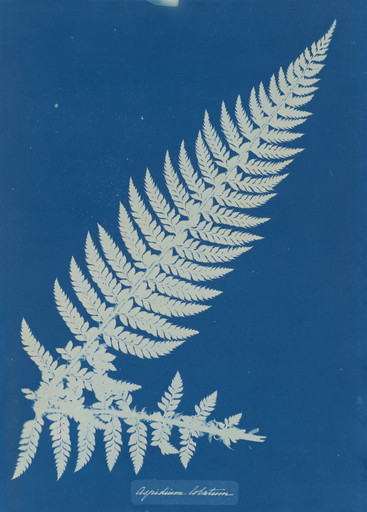
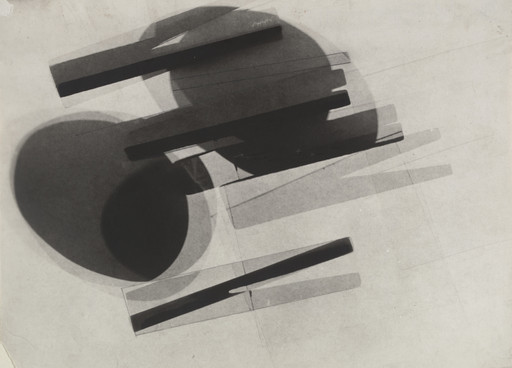
Salted paper print
The earliest paper-based photographic material.
Learn more →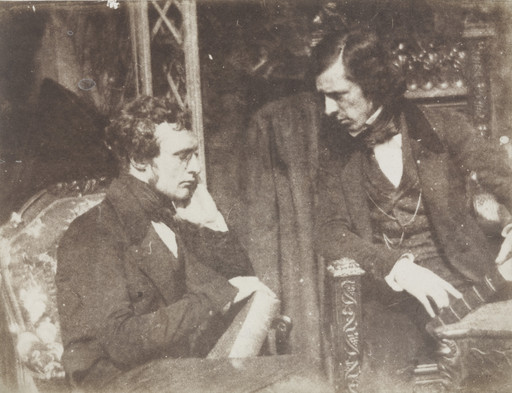
From MoMA Design Store


Licensing
Artwork or archival images
If you would like to reproduce an image of a work of art in MoMA's collection, or an image of a MoMA publication or archival material (including installation views, checklists, and press releases), please contact Art Resource (publication in North America) or Scala Archives (publication in all other geographic locations).
Audio and film clips
MoMA licenses archival audio and select out of copyright film clips from our film collection. At this time, MoMA produced video cannot be licensed by MoMA/Scala. All requests to license archival audio or out of copyright film clips should be addressed to Scala Archives at [email protected]. Motion picture film stills cannot be licensed by MoMA/Scala. For access to motion picture film stills for research purposes, please contact the Film Study Center at [email protected]. For more information about film loans and our Circulating Film and Video Library, please visit Circulating Film and Video Library.
Text from a publication or the archives
If you would like to reproduce text from a MoMA publication, please email [email protected]. If you would like to publish text from MoMA's archival materials, please fill out this permission form and send to [email protected].
Feedback
This record is a work in progress. If you have additional information or spotted an error, please fill out this feedback form.