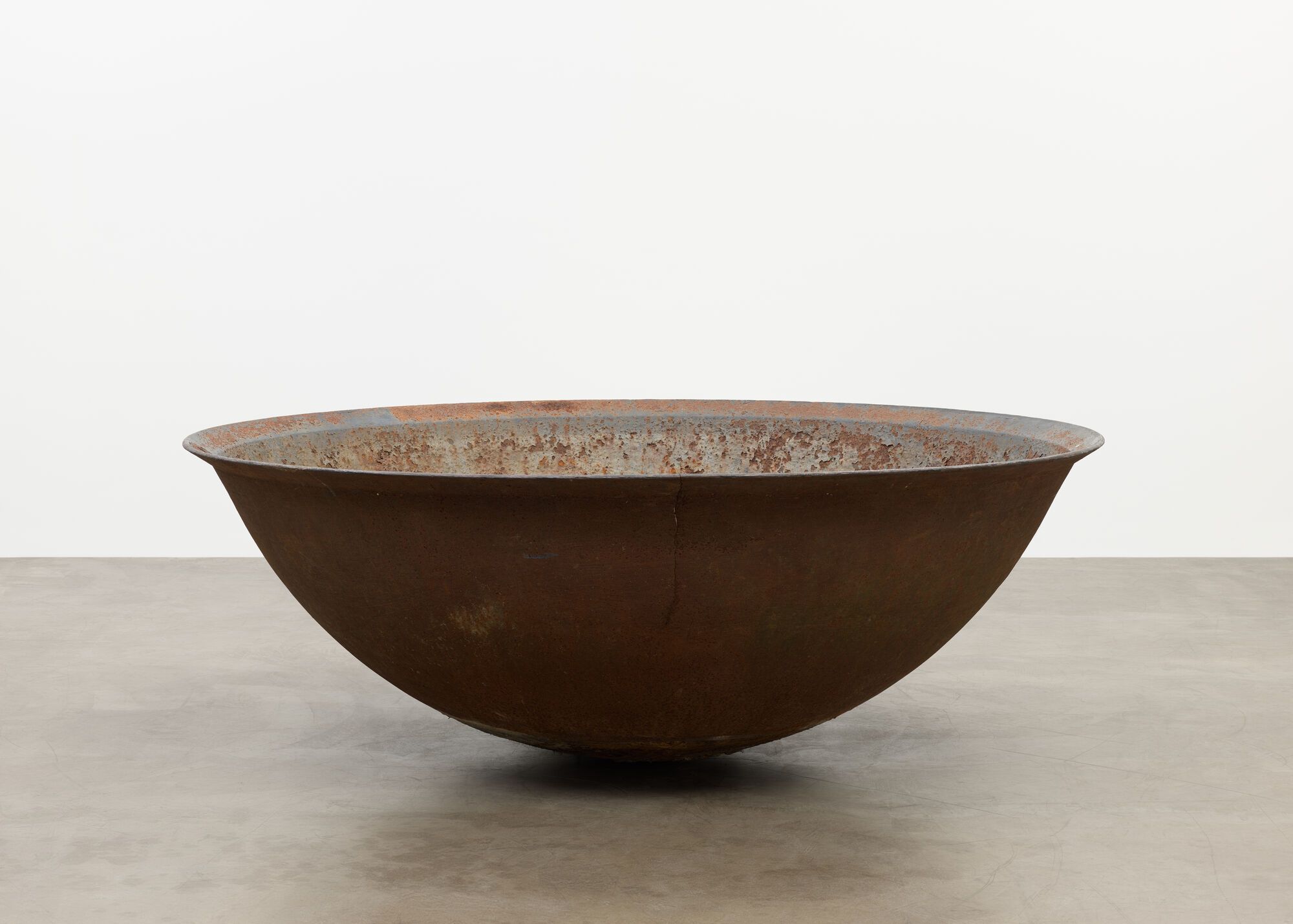
19th-century sugar kettle, made in England, used in Louisiana
Not on view
In Spanish, the colonial sugar mill was called the ingenio, which meant “the engine.” The mill was a necessary component of the sugar plantation. Harvested cane had to be milled quickly to keep it from rotting. The mill operated 16–18 hours a day. Enslaved black people grew the cane, harvested the cane, crushed the cane, and boiled the juice. The mill consisted of a series of open kettles that were made in Europe, exported to the colonies, and used by slaves to reduce cane juice into syrup and raw crystals.
The ingenio operated through systematic torture. The regularity of punishment kept the sugar mill in near-constant production. “The slaves received the whip with more certainty and regularity than they received their food. It was the incentive to work and the guardian of discipline.”¹ Sugar was made this way for 400 years.
¹ C. L. R. James, The Black Jacobins: Touissaint l'Ouverture and the San Domingo Revolution, 2nd rev. ed. (New York: Vintage Books, 1989), 12.
Explore more
Cameron Rowland
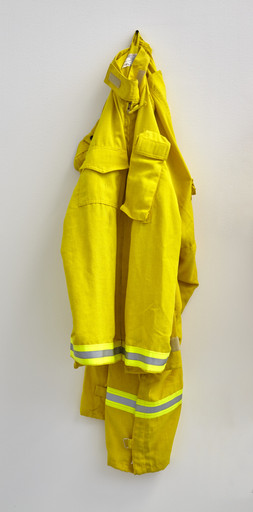
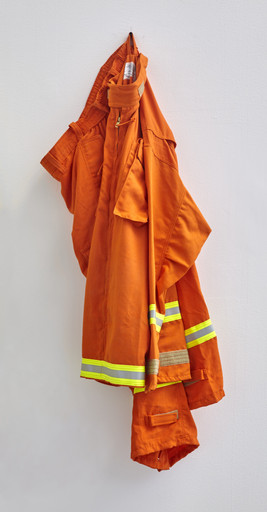
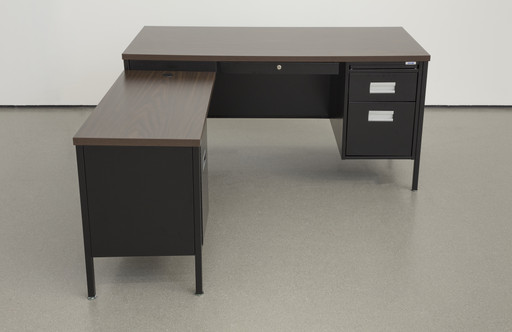
American, born 1988 9 works onlineEach of Cameron Rowland’s exhibitions includes a pamphlet containing an essay and captions written by the artist.
Learn more →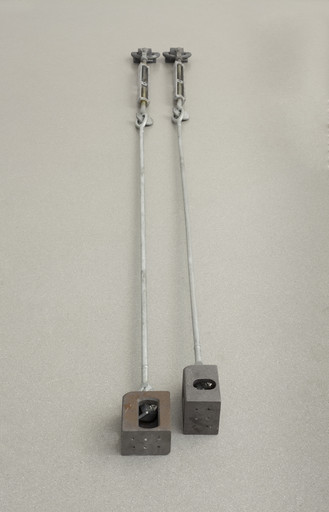

From MoMA Design Store


Licensing
Artwork or archival images
If you would like to reproduce an image of a work of art in MoMA's collection, or an image of a MoMA publication or archival material (including installation views, checklists, and press releases), please contact Art Resource (publication in North America) or Scala Archives (publication in all other geographic locations).
Audio and film clips
MoMA licenses archival audio and select out of copyright film clips from our film collection. At this time, MoMA produced video cannot be licensed by MoMA/Scala. All requests to license archival audio or out of copyright film clips should be addressed to Scala Archives at [email protected]. Motion picture film stills cannot be licensed by MoMA/Scala. For access to motion picture film stills for research purposes, please contact the Film Study Center at [email protected]. For more information about film loans and our Circulating Film and Video Library, please visit Circulating Film and Video Library.
Text from a publication or the archives
If you would like to reproduce text from a MoMA publication, please email [email protected]. If you would like to publish text from MoMA's archival materials, please fill out this permission form and send to [email protected].
Feedback
This record is a work in progress. If you have additional information or spotted an error, please fill out this feedback form.