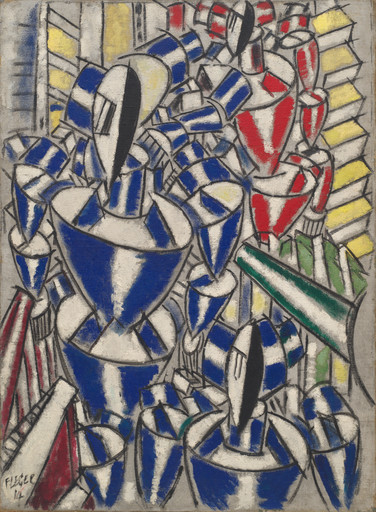
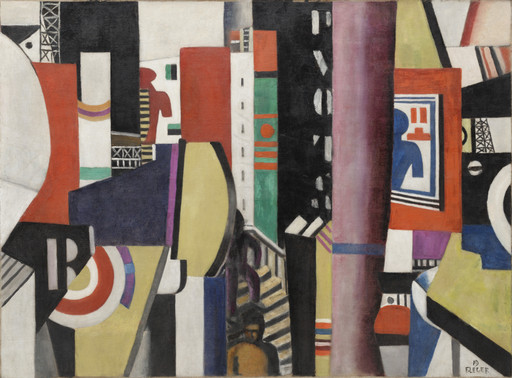
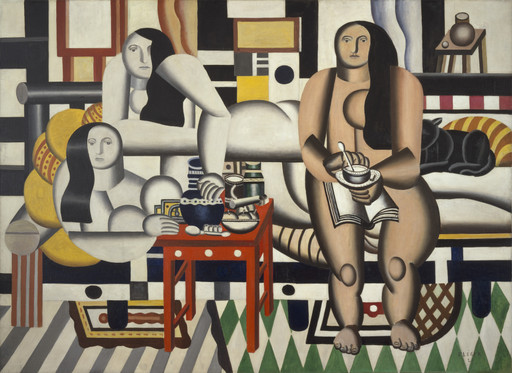
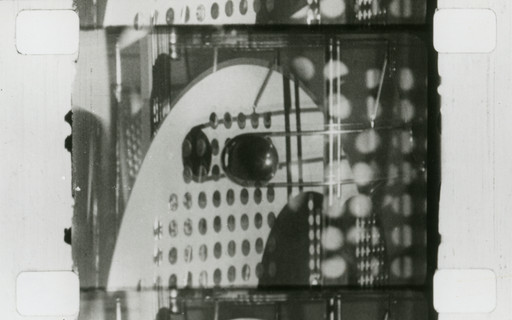
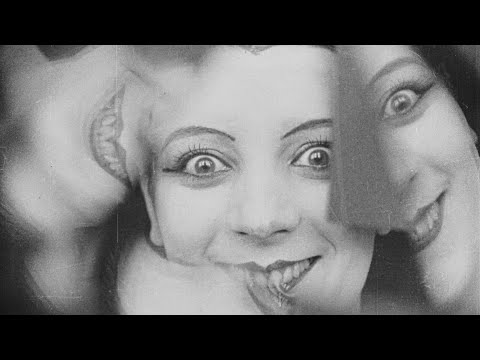
This film remains one of the most influential experimental works in the history of cinema. The only film made directly by the artist Fernand Léger, it demonstrates his concern during this period—shared with many other artists of the 1920s—with the mechanical world. In Léger's vision, however, this mechanical universe has a very human face. The objects photographed by Dudley Murphy, an American photographer and filmmaker, are transformed by the camera and by the editing rhythms and juxtapositions. In Ballet méchanique, repetition, movement, and multiple imagery combine to animate and give an aesthetic raison d'être to the clockwork structure of everyday life. The visual pleasures of kitchenware—wire whisks and funnels, copper pots and lids, tinned and fluted baking pans—are combined with images of a woman carrying a heavy sack on her shoulder, condemned like Sisyphus (but through a cinematic sense of wit) to climb and reclimb a steep flight of stairs on a Paris street. The dynamic qualities of film and its capacity to express the themes of a kinetic 20th-century reach a significant level of accomplishement in this early masterpiece of modern art.
Circulating Film Library Catalogue, New York: The Museum of Modern Art, 1984, p. 167.
Explore more

![Fernand Léger. Ballet mécanique [exhibition]](https://www.moma.org/media/W1siZiIsIjIzOTEzMCJdLFsicCIsImNvbnZlcnQiLCItcXVhbGl0eSA5MCAtcmVzaXplIDUxMng1MTJcdTAwM2UiXV0.jpg?sha=8e2b177e1c137ed1)
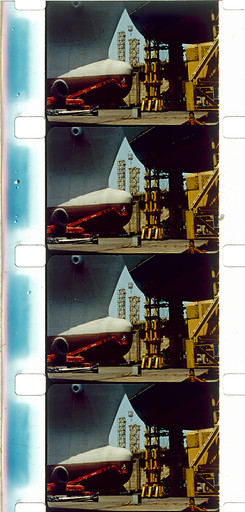
Celluloid
The first synthetic plastic material, developed in the 1860s and 1870s from a combination of camphor and nitrocellulose. Tough, flexible, and moldable, it was used to make many mass-produced items, including photographic film for both still and motion picture cameras.
Learn more →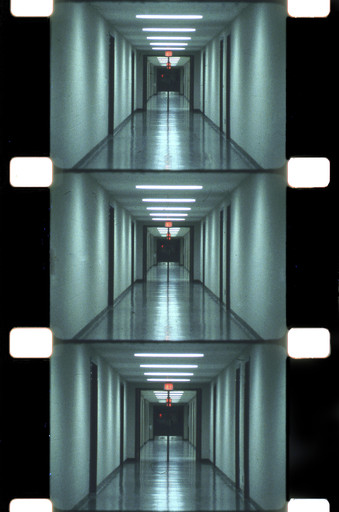
Short
A short film. Today, any film running for 40 minutes or less and therefore not considered long enough to be a feature-length film.
Learn more →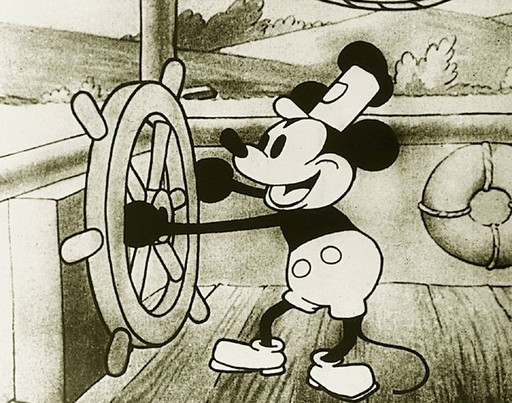


Living in the Age of the Machine
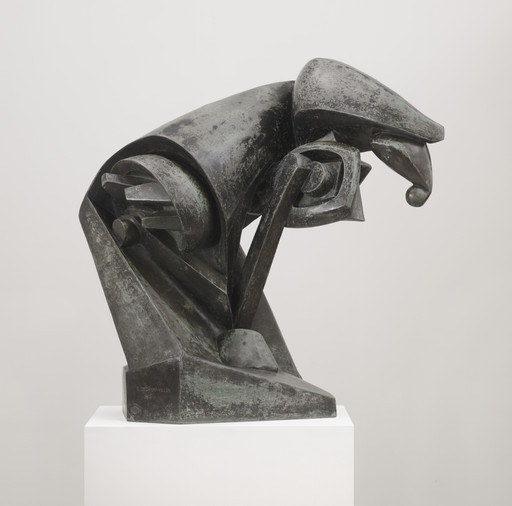
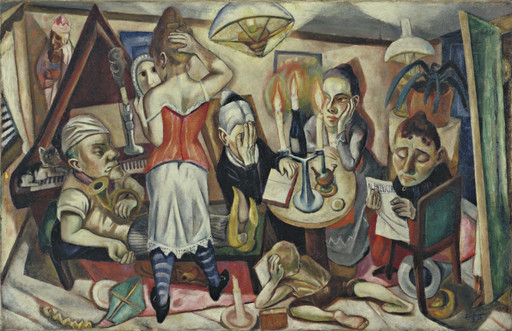
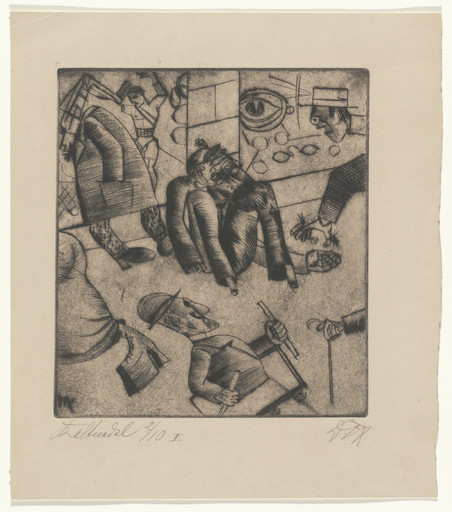
Gallery 505Artists across Europe, Russia, and the United States responded in various ways to this period’s increasing mechanization, industrialization, and public awareness of the machine’s destructive potential.
Learn more →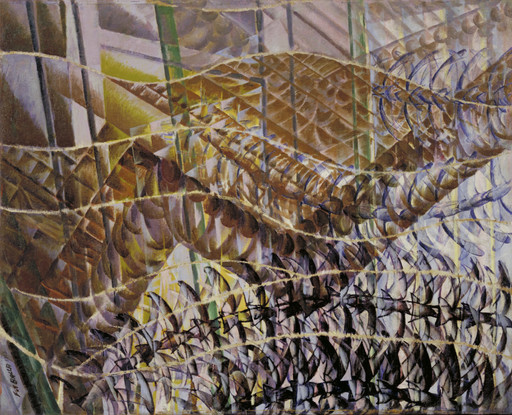

Articles and videos
From MoMA Design Store


Licensing
Artwork or archival images
If you would like to reproduce an image of a work of art in MoMA's collection, or an image of a MoMA publication or archival material (including installation views, checklists, and press releases), please contact Art Resource (publication in North America) or Scala Archives (publication in all other geographic locations).
Audio and film clips
MoMA licenses archival audio and select out of copyright film clips from our film collection. At this time, MoMA produced video cannot be licensed by MoMA/Scala. All requests to license archival audio or out of copyright film clips should be addressed to Scala Archives at [email protected]. Motion picture film stills cannot be licensed by MoMA/Scala. For access to motion picture film stills for research purposes, please contact the Film Study Center at [email protected]. For more information about film loans and our Circulating Film and Video Library, please visit Circulating Film and Video Library.
Text from a publication or the archives
If you would like to reproduce text from a MoMA publication, please email [email protected]. If you would like to publish text from MoMA's archival materials, please fill out this permission form and send to [email protected].
Feedback
This record is a work in progress. If you have additional information or spotted an error, please fill out this feedback form.