Acrylic, gel medium, newspaper, and peanut butter on plastic laminated board
Not on view
Pope.L created this “painting” by covering a newspaper image of a young Malcolm X with peanut butter. He has used this “brown goo,” as he calls it—and, elsewhere, its symbolic opposite, mayonnaise (“white goo”)—to transform the experience of growing up poor and Black into works of searing critique and dark humor. “Mayonnaise and peanut butter, those ‘cheap’ foods we ate as kids. . . . Once used, they don’t stay in their original form: they change, they oxidize. . . . Which leads to an interesting query: What is brownness as opposed to whiteness?”
"Collection 1940s—1970s", 2019
Publication excerpt from MoMA Highlights: 375 Works from The Museum of Modern Art, New York (New York: The Museum of Modern Art, 2019)
In Mal Content, from a body of work the artist refers to as Proto-Skin Sets, a small newspaper image of a young Malcolm X peeks out from behind a thick impasto of peanut butter. This simple, striking combination of portrait and material embodies multiple political and personal references. The wordplay of the title evokes both the civil rights leader’s name and his profound frustration with American society, while the choice to portray the radical icon at an early age humanizes him. Meanwhile, the invitingly tactile peanut butter that frames the image suggests a shade of skin and refers to the cheap, ubiquitous food of the artist’s childhood.
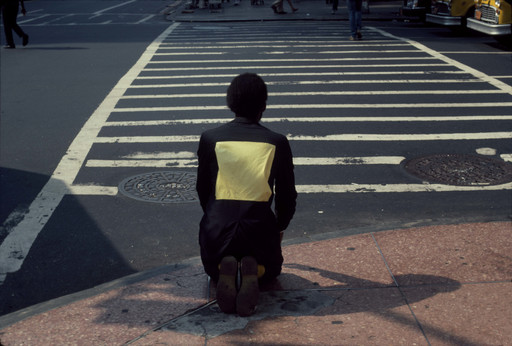
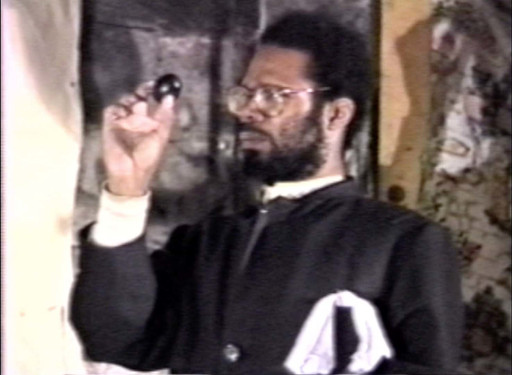
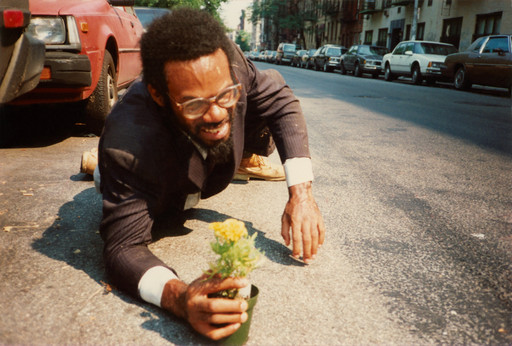
In addition to peanut butter, which Pope.L has termed “brown goo,” the artist has employed mayonnaise (“white goo”) in his works. These signifiers of race allow him to explore the topic “in a more playful, strange, and open-ended way,” he has said. The bodily and time-based connotations of the organic substance—appetite, sustenance, duration, and decay—link Mal Content to Pope.L’s performance-based work. From the “crawls” of the 1990s, in which he dragged himself along city streets to test the precarious social dynamics of urban spaces, to his Black Factory (2004–09)—a nomadic, delivery-truck laboratory that engaged visitors around the question of “blackness”—Pope.L’s work confronts the vexed realities of race, class, and masculinity in the United States.
MoMA Highlights: 375 Works from The Museum of Modern Art, New York (New York: The Museum of Modern Art, 2019)
Explore more
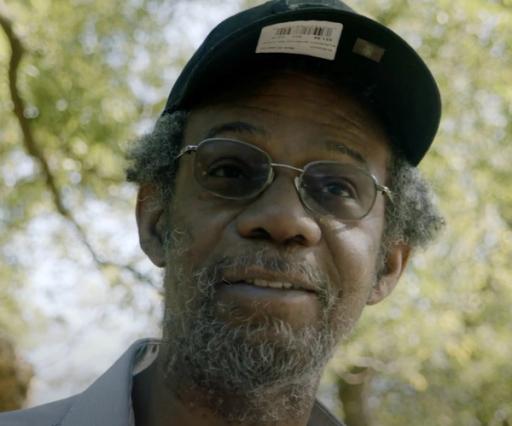
Pope.L
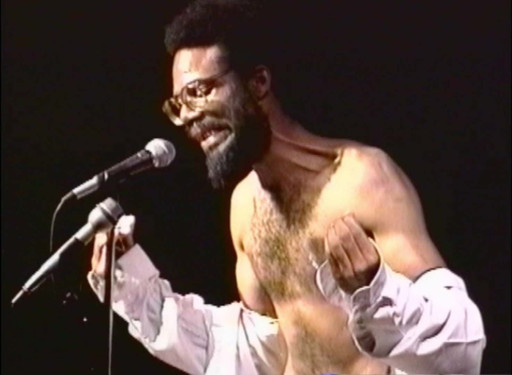
American, 1955–2023 33 works onlineFor five days, Pope.L sat on a toilet situated atop a tall makeshift tower, reading and eating a copy of the Wall Street Journal soaked in milk and ketchup.
Learn more →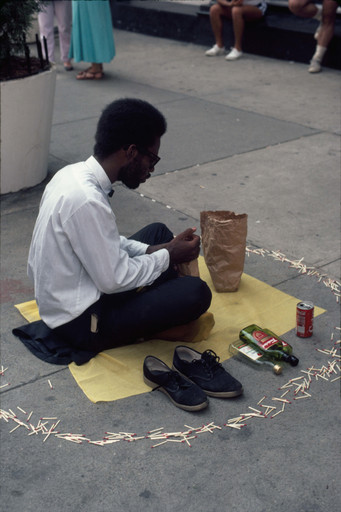
Impasto
An Italian word for “mixture,” used to describe a painting technique wherein paint is thickly laid on a surface, so that brushstrokes or palette knife marks are visible.
Learn more →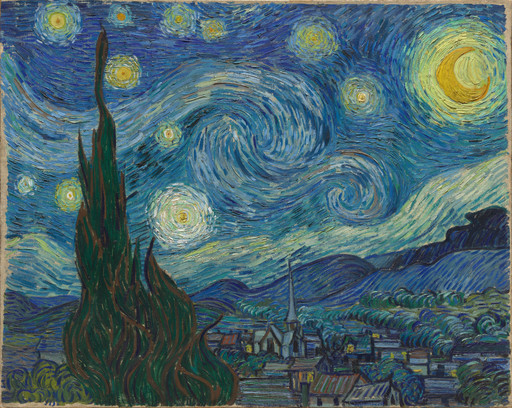

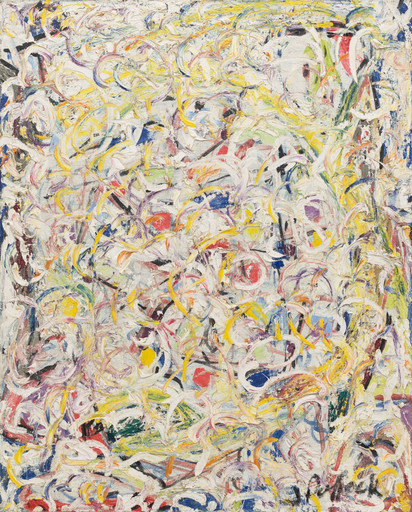

From MoMA Design Store


Installation views
We have identified this work in the following photos from our exhibition history.
Licensing
Artwork or archival images
If you would like to reproduce an image of a work of art in MoMA's collection, or an image of a MoMA publication or archival material (including installation views, checklists, and press releases), please contact Art Resource (publication in North America) or Scala Archives (publication in all other geographic locations).
Audio and film clips
MoMA licenses archival audio and select out of copyright film clips from our film collection. At this time, MoMA produced video cannot be licensed by MoMA/Scala. All requests to license archival audio or out of copyright film clips should be addressed to Scala Archives at [email protected]. Motion picture film stills cannot be licensed by MoMA/Scala. For access to motion picture film stills for research purposes, please contact the Film Study Center at [email protected]. For more information about film loans and our Circulating Film and Video Library, please visit Circulating Film and Video Library.
Text from a publication or the archives
If you would like to reproduce text from a MoMA publication, please email [email protected]. If you would like to publish text from MoMA's archival materials, please fill out this permission form and send to [email protected].
Feedback
This record is a work in progress. If you have additional information or spotted an error, please fill out this feedback form.