Not on view
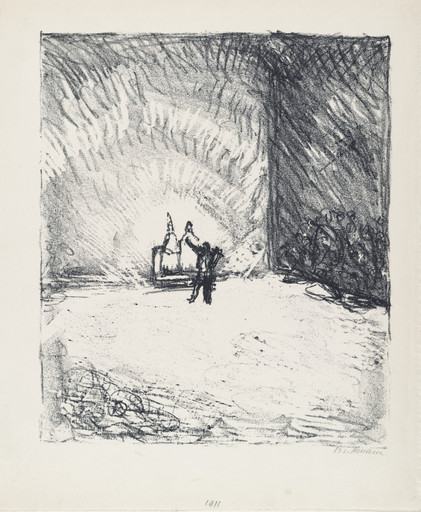
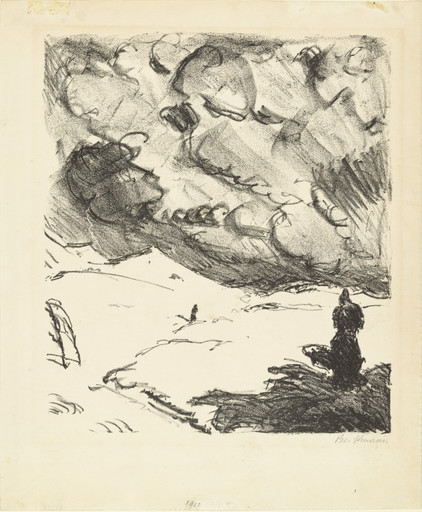
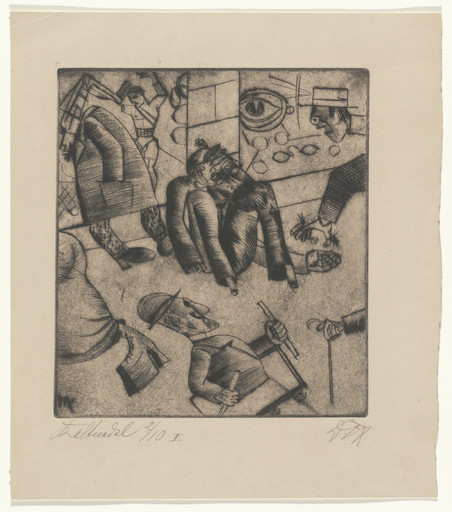
While convalescing in Frankfurt after a mental breakdown during World War I, Max Beckmann befriended Lili von Braunbehrens, the twenty-year-old daughter of an army official who helped smooth his release from the military. Braunbehrens, who was nearly blind, recorded her impressions of her nightly wanderings through Frankfurt in twenty poems that Munich-based Reinhard Piper, at Beckmann's urging, published as Stadtnacht (City night). Beckmann illustrated six poems and the title page.
The collection opens with a glimpse of a gruesome murder, witnessed through the window of a cheap apartment building. In the modern metropolis there is no refuge, not even at home. One print shows the revelries of a group of nouveaux riche seemingly oblivious to the surrounding economic and social collapse, while a brothel scene commodifies human interaction. The rest depict the hopelessness of working-class life. In most of the prints, figures spill out of the cramped and distorted spaces, heightening the feelings of alienation and loneliness.
In his illustration of the poem "Verbitterung" (Bitterness), Beckmann showed himself looking through an apartment window to the streets below, isolated from human contact. In the final print, Die Kranke (The sick one), he depicted an emaciated figure in a sparsely furnished room facing the end alone. Throughout Stadtnacht, Beckmann used Expressionist techniques of distortion and exaggeration to underscore the failures of postwar society.
Heather Hess, German Expressionist Digital Archive Project, German Expressionism: Works from the Collection. 2011.
Explore more
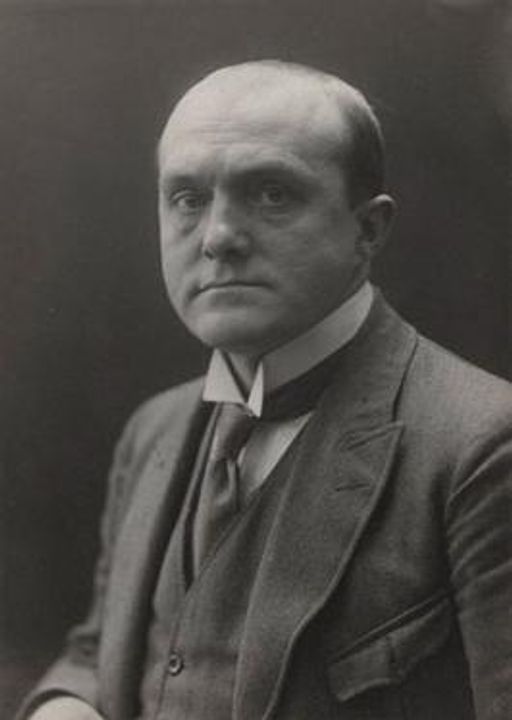
Max Beckmann
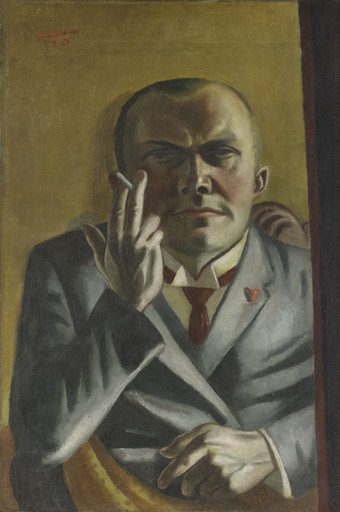
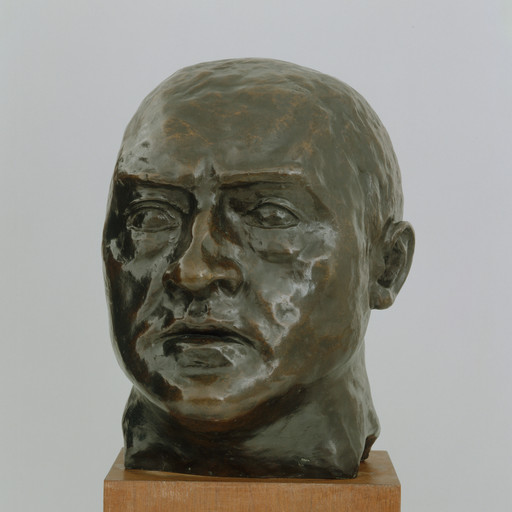
German, 1884–1950 218 works onlineMax Beckmann dreamed up a world of actors, cabaret singers, heroes, and thugs, whose dramas unfold on city streets, at masquerades and carnivals, and in candlelit chambers.
Learn more →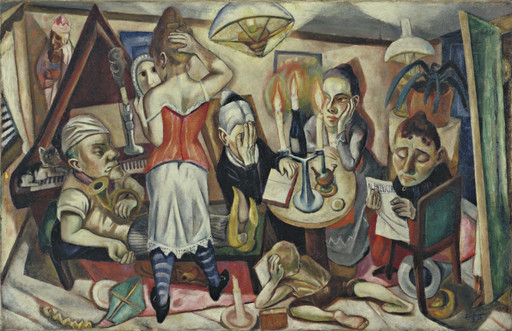



From MoMA Design Store


Licensing
Artwork or archival images
If you would like to reproduce an image of a work of art in MoMA's collection, or an image of a MoMA publication or archival material (including installation views, checklists, and press releases), please contact Art Resource (publication in North America) or Scala Archives (publication in all other geographic locations).
Audio and film clips
MoMA licenses archival audio and select out of copyright film clips from our film collection. At this time, MoMA produced video cannot be licensed by MoMA/Scala. All requests to license archival audio or out of copyright film clips should be addressed to Scala Archives at [email protected]. Motion picture film stills cannot be licensed by MoMA/Scala. For access to motion picture film stills for research purposes, please contact the Film Study Center at [email protected]. For more information about film loans and our Circulating Film and Video Library, please visit Circulating Film and Video Library.
Text from a publication or the archives
If you would like to reproduce text from a MoMA publication, please email [email protected]. If you would like to publish text from MoMA's archival materials, please fill out this permission form and send to [email protected].
Feedback
This record is a work in progress. If you have additional information or spotted an error, please fill out this feedback form.