As an African American artist who remained committed to abstraction during the height of the civil rights movement, Gilliam deliberately worked against the grain. He is best known for unstretched abstract paintings that he drapes from the ceiling, slings over sawhorses, or, as is the case here, pins to the wall. They range from mural-size canvases to a small single sheet hung like a towel on a doorknob.
In this work, the cloth is gathered at three points and nailed to the wall, which allows its shape—two primary folds—to be dictated by gravity. Its complex surface is the result of several different methods of applying paint, including soaking, splattering, and folding the fabric onto itself. The work bears swaths and streaks of peachy oranges and yellows overlaid with violet and red that appear to have been rubbed into the canvas. On the right, purple and indigo shades dominate, offset by a large patch of yellow in the bottom corner.
In his earliest paintings, made in the mid-1960s, Gilliam depicted geometric abstractions on traditionally stretched canvases that resemble those of the Washington Color School painters of the 1950s, ’60s, and ’70s, with whom he exhibited. Soon, however, these works gave way to the fluid drips and splatters that came to define his signature draped works. Delineating actual space with their accordion-like folds, much like sculpture, these works invite viewers to consider painting as an immersive experience.
MoMA Highlights: 375 Works from The Museum of Modern Art, New York (New York: The Museum of Modern Art, 2019)
Gallery label from 2021
In 1968—the year of the assassination of Martin Luther King Jr. and the signing of the Civil Rights Act—Gilliam began staining and folding raw canvases and suspending them from the wall, creating immersive bleeds of color. For Gilliam, “the year 1968 was one of revelation . . . something was in the air, and it was in that spirit that I did the Drape paintings.” The works’ tension and free fall—subject to forces beyond the artist’s control—paralleled the social turmoil of the time.
As a Black artist and civil rights leader, Gilliam deliberately worked against the grain. Unlike many of his peers, he refrained from literal depictions or messages in his art. He was committed to abstraction, stating, “the expressive act of making a mark and hanging it in space is always political. My work is as political as it is formal.” Gilliam’s titles refer to historical and artistic events alike: 10/27/69 marks the date he completed this painting, against the backdrop of mass demonstrations protesting the Vietnam War.
2021
Explore more
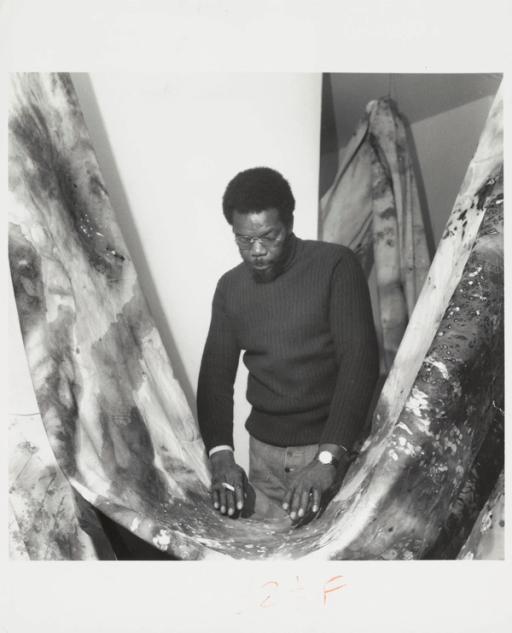
Sam Gilliam
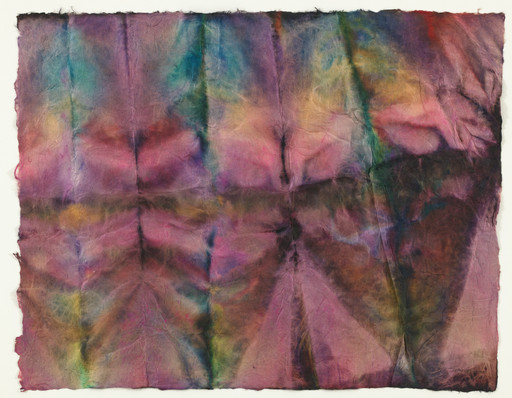
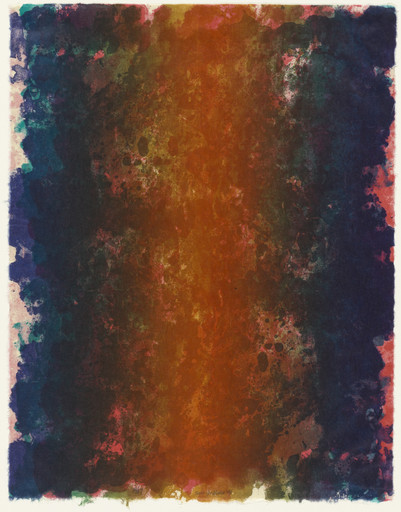
American, 1933–2022 8 works onlineThe vibrant colors in Sam Gilliam’s paintings dance, clash, and breathe together. Without context, they may appear devoid of meaning, but Gilliam denied any separation between abstraction and politics in his work.
Learn more →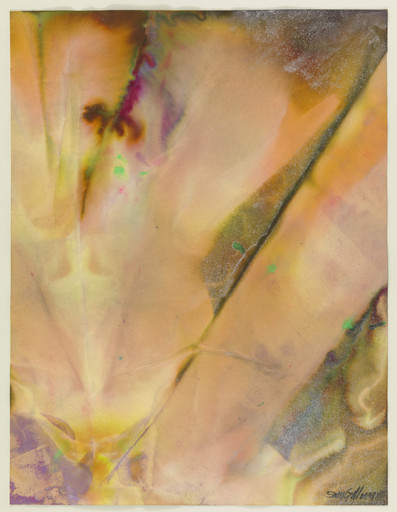
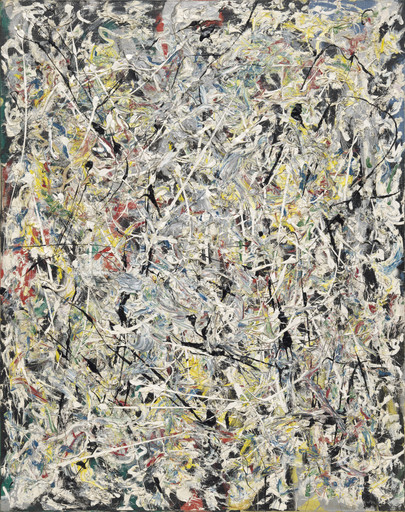
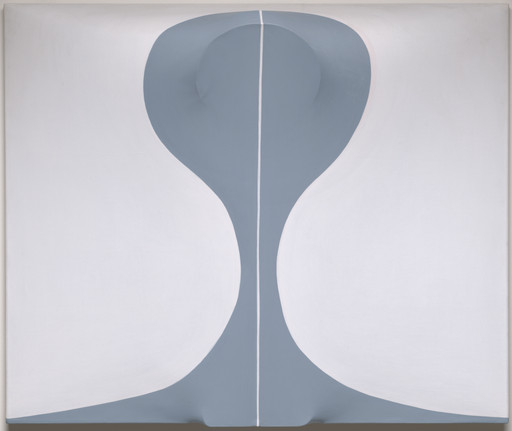
Allover painting
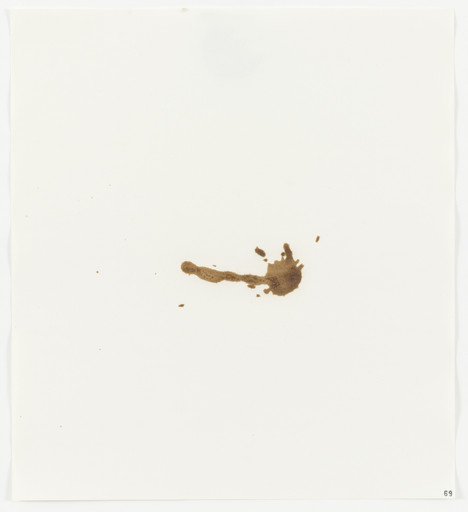
An approach to painting that emerged with the Abstract Expressionists, in which each area of the composition is given equal attention and significance.
Learn more →
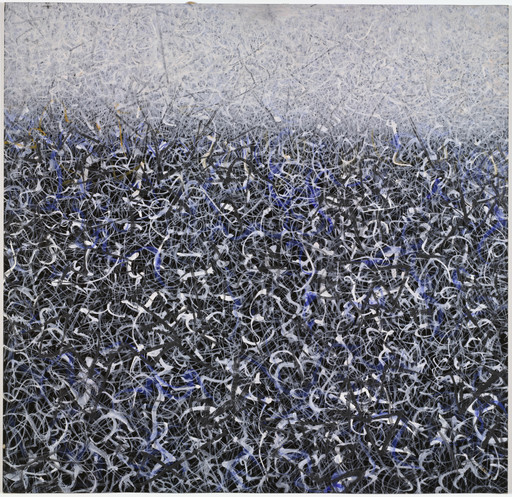
Canvas
A closely woven, sturdy cloth of hemp, cotton, linen, or a similar fiber, frequently stretched over a frame and used as a surface for painting.
Learn more →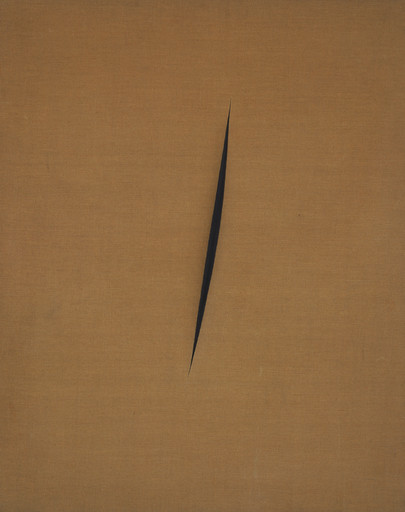
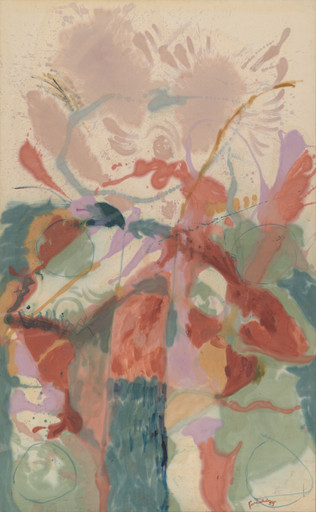

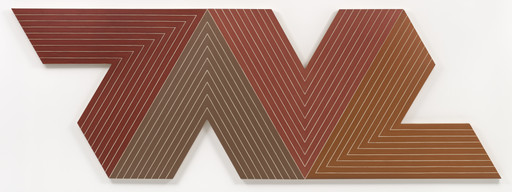
Color Field painting
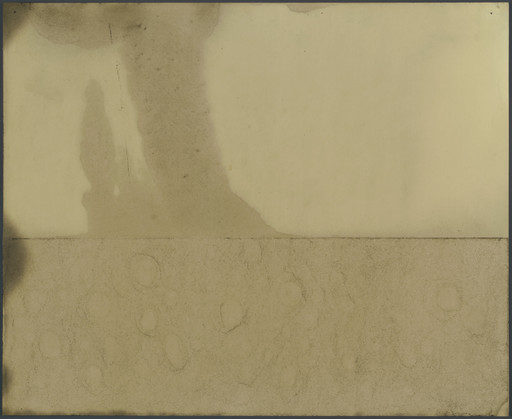
A form of abstract painting that emerged in the 1950s and 1960s, characterized by large areas of color, typically without strong tonal contrasts or a defined point of focus.
Learn more →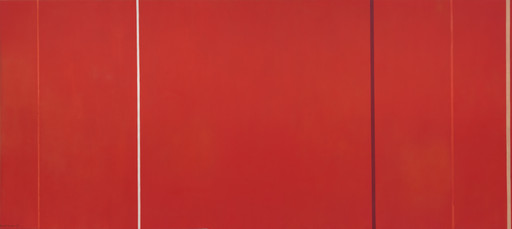
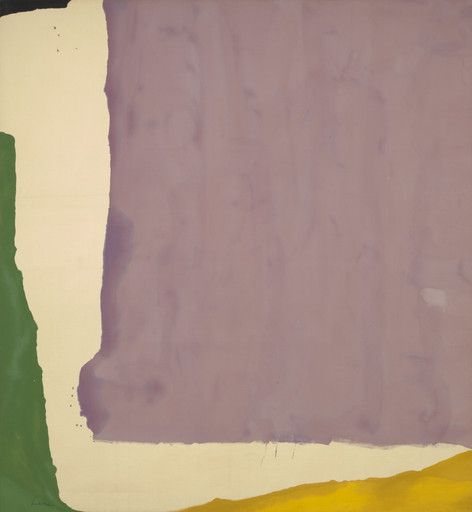
Stain
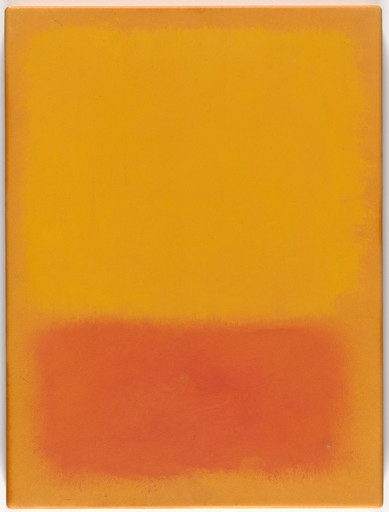
Paint thinned with solvent and applied to the canvas like a wash. Rather than remaining on the surface, a stain is absorbed into the canvas.
Learn more →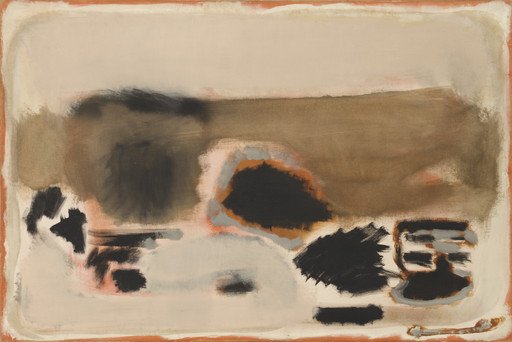

Audio
Audio from the playlist Colección 1940-1970
From MoMA Design Store


Installation views
We have identified this work in the following photos from our exhibition history.
Licensing
Artwork or archival images
If you would like to reproduce an image of a work of art in MoMA's collection, or an image of a MoMA publication or archival material (including installation views, checklists, and press releases), please contact Art Resource (publication in North America) or Scala Archives (publication in all other geographic locations).
Audio and film clips
MoMA licenses archival audio and select out of copyright film clips from our film collection. At this time, MoMA produced video cannot be licensed by MoMA/Scala. All requests to license archival audio or out of copyright film clips should be addressed to Scala Archives at [email protected]. Motion picture film stills cannot be licensed by MoMA/Scala. For access to motion picture film stills for research purposes, please contact the Film Study Center at [email protected]. For more information about film loans and our Circulating Film and Video Library, please visit Circulating Film and Video Library.
Text from a publication or the archives
If you would like to reproduce text from a MoMA publication, please email [email protected]. If you would like to publish text from MoMA's archival materials, please fill out this permission form and send to [email protected].
Feedback
This record is a work in progress. If you have additional information or spotted an error, please fill out this feedback form.