OCR stands for Optical Character Recognition, a technology that converts printed or typed—and now even handwritten—text into electronic data by scanning and identifying individual numbers and letters. OCR-A was designed to be easily read by machines. Originally, OCR-A was mostly used by banks and other businesses that process large amounts of printed data by machine. Lately, however, OCR-A has become a popular choice among graphic designers interested in the retro-tech aesthetic.
Pirouette: Turning Points in Design, January 26, 2025–November 15, 2025
Gallery label from Standard Deviations , 2011
OCR stands for "optical character recognition," a technology that converts printed information into workable electronic data by scanning and identifying individual numbers and letters. This font was designed to be perfectly readable by computers; each character is shaped to reflect the precise format set by the United States Bureau of Standards. Originally, OCR-A was used mostly by banks, credit card companies, and other businesses that process large amounts of printed data by machine. Lately, however, because of its retro-tech look, OCR-A has become a popular choice among graphic designers.
Standard Deviations, 2011
Explore more
Font
A specific size and style of a typeface—for example, Arial 12-point bold, or Times New Roman 10-point italic. The term is often confused with typeface, which refers to the design or “look” of type or lettering.
Learn more →



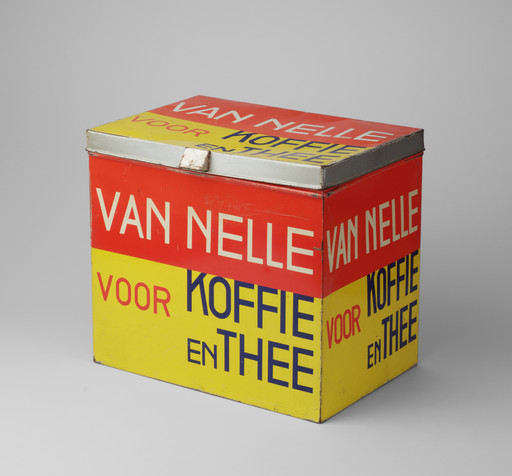
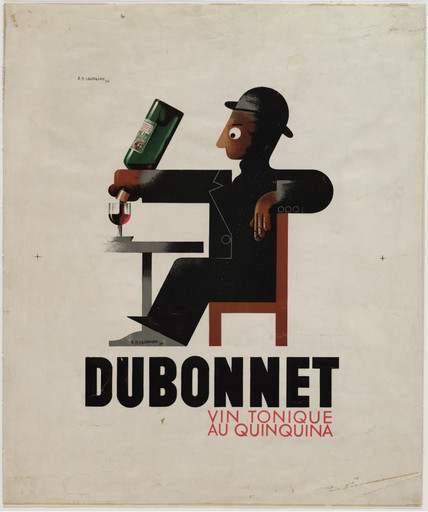
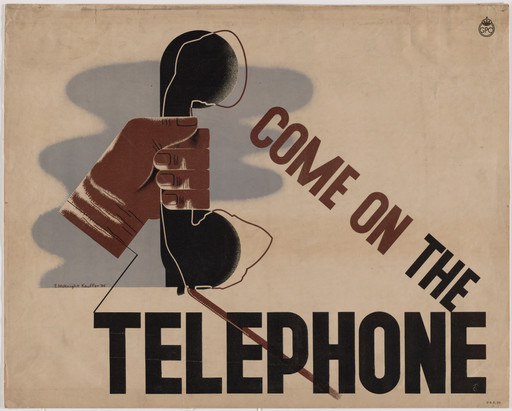
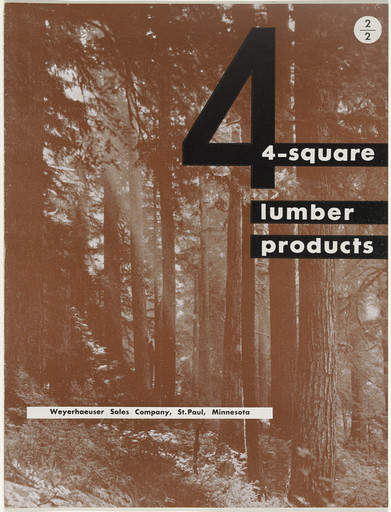

From MoMA Design Store


Installation views
We have identified this work in the following photos from our exhibition history.
Licensing
Artwork or archival images
If you would like to reproduce an image of a work of art in MoMA's collection, or an image of a MoMA publication or archival material (including installation views, checklists, and press releases), please contact Art Resource (publication in North America) or Scala Archives (publication in all other geographic locations).
Audio and film clips
MoMA licenses archival audio and select out of copyright film clips from our film collection. At this time, MoMA produced video cannot be licensed by MoMA/Scala. All requests to license archival audio or out of copyright film clips should be addressed to Scala Archives at [email protected]. Motion picture film stills cannot be licensed by MoMA/Scala. For access to motion picture film stills for research purposes, please contact the Film Study Center at [email protected]. For more information about film loans and our Circulating Film and Video Library, please visit Circulating Film and Video Library.
Text from a publication or the archives
If you would like to reproduce text from a MoMA publication, please email [email protected]. If you would like to publish text from MoMA's archival materials, please fill out this permission form and send to [email protected].
Feedback
This record is a work in progress. If you have additional information or spotted an error, please fill out this feedback form.