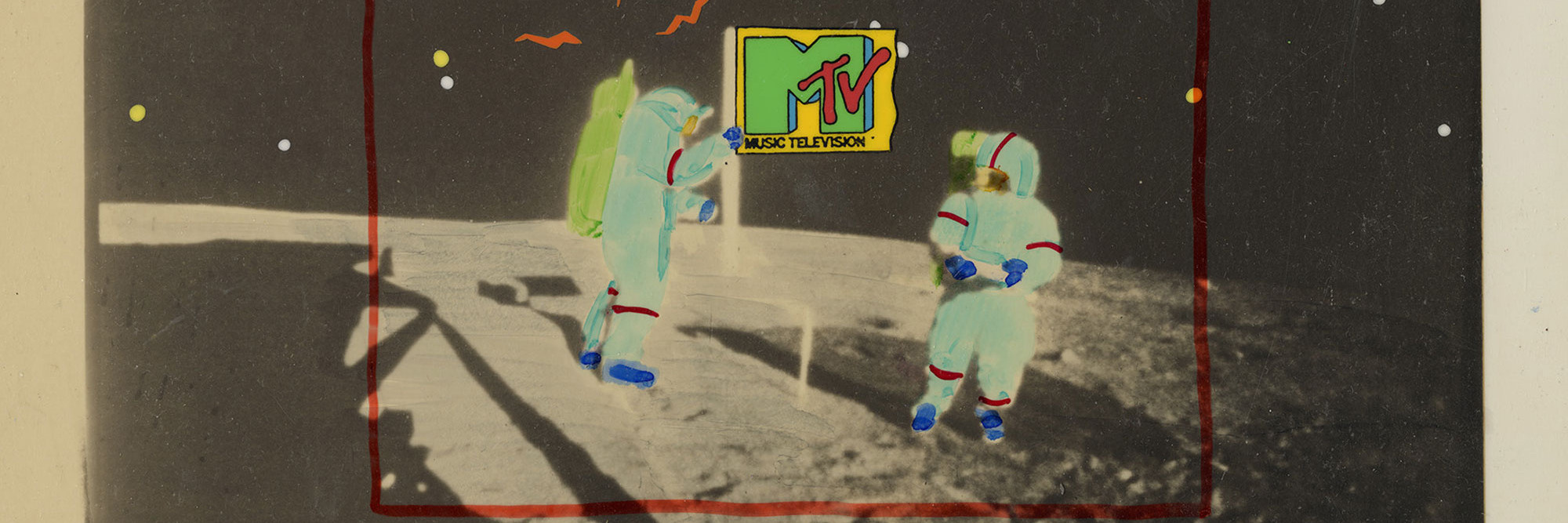
Since the birth of motion pictures, animation has enchanted audiences. At MoMA, its creative evolution has been celebrated by more than a hundred programs and acquisitions from both independent filmmakers and major studios alike. Drawing from this history and spanning more than 100 years of expression and aesthetics, It’s Alive! shares the work of more than 35 artists and filmmakers who advanced the medium. The exhibition highlights its roots in New York and how the city remained a hub for innovative animation.
Felix the Cat, Koko the Clown, Gertie the Dinosaur, and other enduring cartoon icons of the silent era (1890s–1920s) prove how significant character-based animation was to establishing the medium. The hand-drawn practices of their creators—including Otto Messmer, Dave Fleischer, and Winsor McCay—were fundamental to the characters’ appeal. Works from later decades by artists such as Isadore Sparber, Mary Beams, Kathy Rose, Tissa David, and David Ehrlich demonstrate that black-and-white line drawing remained a vital style through the predigital period.
The addition of color in the 1930s, and the modernization of animation design led by John Hubley in the 1950s as a response to the classical style of Disney, influenced a number of independent artists in later decades. Jane Aaron, John Canemaker, Faith and Emily Hubley, George Griffin, Candy Kugel, Jeff Scher, and Michael Sporn all called New York home. Balancing projects for Public Television and MTV with personal filmmaking, these animators created bodies of work that became a force in pop culture and resonated worldwide. It’s Alive! is a testament to a rich period of the city’s movie-making history, and to the diversity and delights of animation.
Organized by Ron Magliozzi, Curator, Francisco Valente, Curatorial Associate, Katie Trainor, Senior Collections Manager, and Cara Shatzman, Collections Specialist, Department of Film, with thanks to the Celeste Bartos Film Preservation Center’s Seth Mitter, Alma Macbride, and Joseph Shepherd.