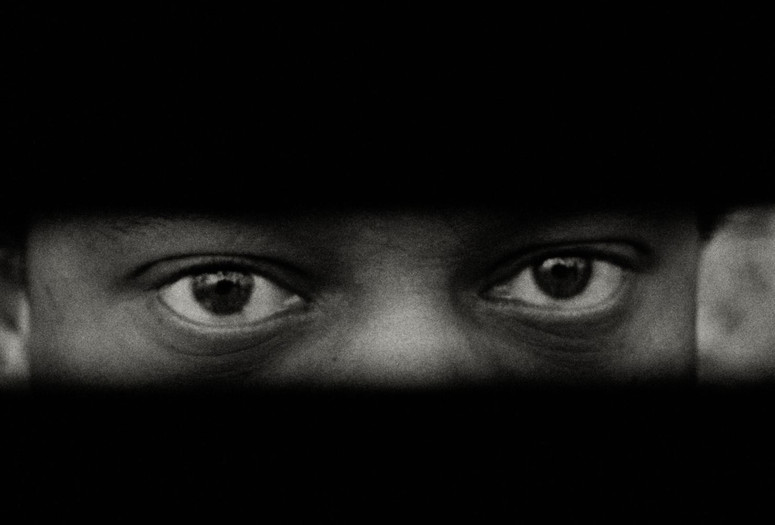
As a prelude to the Anthology Film Archives retrospective opening on January 19, To Save and Project pays tribute to the writer, director, cinematographer, and visual anthropologist Skip Norman (aka Wilbert Reuben Norman Jr.) (1933–2015) with new restorations of his work spanning two decades, from 1966 to 1986. These programs testify to the singular talents and unique experiences of a Black American artist who lived and worked in the US and West Germany in the late 1960s and 1970s, making still-powerful and provocative films like Blues People (1969) and Strange Fruit (1969), and collaborating with Helke Sander, Lothar Lambert, Harun Farocki, Mirra Bank, and the poet Nikki Giovanni on films that remain politically charged to this day. As Jesse Cumming, the curator of the Skip Norman retrospective, notes, “Norman was a member of the inaugural cohort of students at Berlin’s DFFB Film School, where he befriended and worked alongside a group of artists and activists interested in the revolutionary potential of film. In addition to collaborating as a cinematographer and assistant director on the work of these classmates, Norman authored a remarkable but little-seen body of documentary, experimental, and essay filmmaking in the late 1960s and early 1970s. Building upon and contributing to the incendiary work of his peers decrying the US war in Vietnam and racism back home, Norman produced a number of equally urgent films about his experience as a Black artist inhabiting, and observing, a double life on both sides of the Atlantic.”
Blues People. 1969. West Germany. Directed by Skip Norman. 17 min.
Subjektitüde (Subjectitude). 1966. West Germany. Directed by Helke Sander. Assistant director of photography Skip Norman. In German; English subtitles. 4 min.
1 Berlin-Harlem. 1974. West Germany. Directed by Lothar Lambert, Wolfram Zobus. Cinematography by Skip Norman, Reza Dabui. With Ingrid Caven, Tally Brown, Rainer Werner Fassbinder, Günther Kaufmann. In English, German; English subtitles. 100 min.
“The films in this program forcefully confront ideas of power and desire in relation to race, gender, and sexuality. Informed by the writings of Amiri Baraka, Norman’s experimental Blues People lampoons and lambasts the fetishization of the Black male in Western culture. Its themes are echoed in Lothar Lambert and Wolfram Zobus’s subversive and prickly satire 1 Berlin-Harlem, shot by Norman and Reza Dabui and featuring appearances by Ingrid Caven, Tally Brown, Rainer Werner Fassbinder, and others. Echoing their themes of social alienation and abuse, these two films are punctuated by the feminist cri de cœur of Helke Sander’s Subjektitüde, a raw treatise on the violence of the male gaze, which she made in collaboration with Norman during their days as film students” (Jesse Cumming).
Program 121 min.