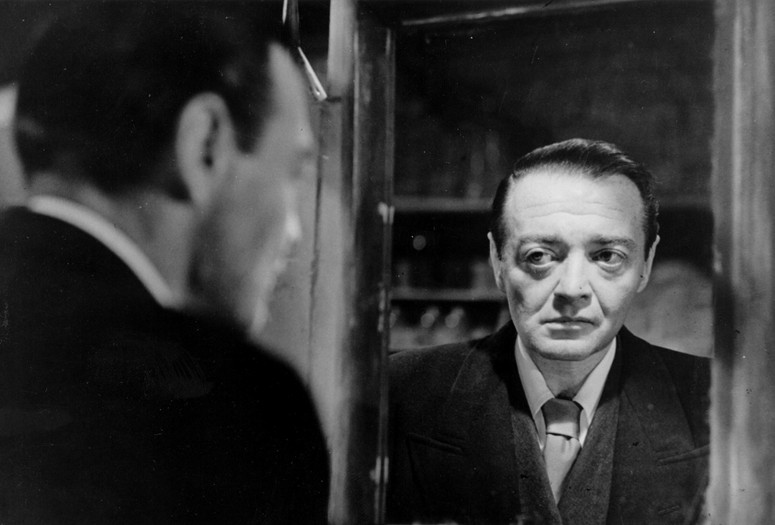
Der Verlorene (The Lost One). 1951. West Germany. Directed by Peter Lorre. Screenplay by Lorre, Axel Eggebrecht, Benno Vigny. With Lorre, Karl John, Helmut Rudolph, Renate Mannhardt, Eva-Ingeborg Scholz. 2K digital restoration by Deutsches Filminstitut & Filmmuseum; courtesy Beta Film. North American premiere. In German; English subtitles. 98 min.
As the cowriter, director, and star of The Lost One, Peter Lorre returned from the dead end of Hollywood to the rubble of postwar West Germany in an effort to revive his flagging career. Today, this fascinating and unsung film maudit is a painful reminder of what might have been if not for the Jewish Hungarian actor’s flight from Nazi Germany and his struggle in Hollywood to be given meaningful roles. Purportedly based on a true story, The Lost One is a noir-inflected drama, told in flashback, about a doctor at a displaced persons camp haunted by his secret wartime experiments for the Nazis and his murder of his fiancée (and, subsequently, other women) out of jealousy or perverted patriotism. Remarkably bleak and unforgiving, Lorre’s film was too much for postwar German audiences, who gratefully escaped into the reassuring, kitschy comforts of Heimat cinema.
Peter Lorre – Das Doppelte Gesicht (Peter Lorre: The Double Face). 1984. West Germany. Written and directed by Harun Farocki. 2K digital preservation by Filmshift; courtesy Deutsche Kinemathek. North American premiere. In German; English subtitles. 59 min.
German film essayist Harun Farocki brings his brilliance and compassion to this critical reappreciation of Peter Lorre, the Jewish Hungarian actor who appeared on the Weimar stage in Bertolt Brecht productions and achieved worldwide fame in Fritz Lang’s M, Alfred Hitchcock’s The Man who Knew Too Much, Michael Curtiz’s Casablanca, and John Huston’s The Maltese Falcon, only to become typecast in Hollywood roles as the exotic detective Mr. Moto and countless shifty villains. Using film clips, stills, and original interviews, Farocki traces the tragedy of Lorre’s life and career: his underused talents as an actor, the tremendous promise of his sole directing effort The Lost One, and the chronic health problems and morphine addiction that led to his untimely death in 1964 at age 60.