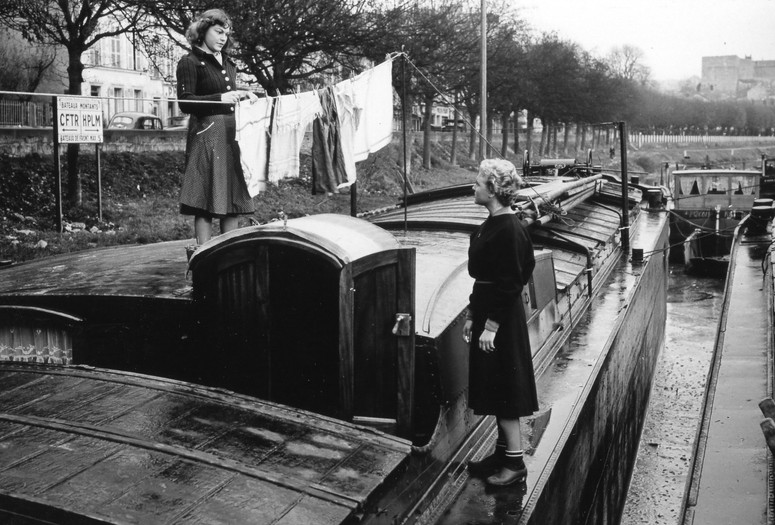
Soleil éteint. 1958. France. Directed by Guy Gilles. Screenplay by Gilles, Marc Sator. With Gilles, Marc Sator, Anne Laurent, Danièle Delorme, Jean Marais. DCP. In French; English subtitles. 13 min.
“His framing was pure poetry, each shot composed with the freedom of someone who refused to be constrained by convention. And then I discovered we shared the same literary obsessions: Carson McCullers and Flannery O’Connor. The lonely, isolated characters in their Southern Gothic tales seemed to find their cinematic echo in his work....What struck me most was how alone he must have felt making these films. Guy Gilles was working in the shadow of the Nouvelle Vague, creating deeply personal cinema that the critics of his time couldn’t quite understand. The Nouvelle Vague filmmakers largely despised him, not only for his aesthetic choices but for his homosexuality—a prejudice that kept him marginalized in an already exclusive circle. His aesthetic—intimate, musical, contemplative, visually liberated—was out of step with what was fashionable then” (Isabelle Coixet).
Les Amants de Bras-Mort (The Lovers of Bras-Mort). 1951. France. Directed by Marcello Pagliero. Screenplay by Jacques Dopagne, Robert Scipion. With Nicole Courcel, Frank Villard, Henri Génès. 2K digital restoration. In French; English subtitles. 95 min.
Widely admired for his work as an actor and writer—Roberto Rossellini directed him in Rome, Open City (1945) before offering him a screenwriting role on Paisan (1946)—Marcello Pagliero was also the director of the brilliant A Man Walks in the City in 1950 and, the following year, The Lovers of Bras-Mort, a fascinating and atmospheric fusion of Italian Neorealism, French poetic realism, and existentialist drama. (Pagliero had appeared in the Jean-Paul Sartre–scripted film The Chips Are Down in 1947.) Shot on location along the Seine, in a derelict barge cemetery known as Bras-Morts, the film involves the unlikely romance between a penniless sailor and the daughter of his uncle, a wealthy barge owner. Inspired by Jean Vigo’s L’Atalante, Pagliero and cameraman Roger Hubert (Children of Paradise) bring a haunting melancholy and documentary authenticity to this story of a sexual tension that transcends class difference.