Oil, paper collage, glitter, polyester resin, map pins, and elephant dung on canvas
Not on view
In a nocturnal scene sparkling with phosphorescent color, the bust of a man looms like a dark, expanding, hallucinogenic vision. The outsized, extravagant figure, overshadowing a gang of tiny faces cut from magazines, exists in a zone of contradiction. Rouged, glittering, bejeweled, and flaunting a pharaoh beard and afro hairstyle, this inner-city aristocrat, prince, tribal elder, or hip-hop icon is both noble and base, persuasive and blatantly stereotypical. Elephant dung, the artist's signature material (procured from the London Zoo) forms ornaments of the prince’s costume, and also the two round pedestals on which the painting rests.
Ofili's techniques and his aesthetic references are layered and culturally varied. In this painting he combines collage, paint, organic matter, and glitter, and pushes the work toward sculpture by resting it on pedestals close to the ground and leaning it against the wall. The myriad dots on the surface of the canvas hark back to the cave paintings the artist observed on a trip to Zimbabwe. Op and Psychedelic art and the Pattern and Decoration movement of the 1970s inform the work, as well as ancient African art, modern Nigerian art (particularly the Oshogbo school, with its fantastic creatures and mythologies), and, above all, contemporary hip-hop culture.
The Museum of Modern Art, MoMA Highlights since 1980, New York: The Museum of Modern Art, p. 184.
Gallery label from Multiplex: Directions in Art, 1970 to Now , November 21, 2007-July 28, 2008.
Ofili here employs African–inspired motifs, glitter, collaged cutouts from popular magazines, and, most notoriously, elephant dung. The latter material has associations for him with African tribal culture, but its unusual use in his paintings has proven an affront to some, particularly in works that confront racial and religious stereotypes. Such notoriety might have obscured Ofili's primary involvement with hip–hop culture as a resource for his art at this time. He has stated, "I'm trying to make paintings that make you hear them, rather than see them."
Multiplex: Directions in Art, 1970 to Now, November 21, 2007-July 28, 2008.
Publication excerpt from The Museum of Modern Art, MoMA Highlights , New York: The Museum of Modern Art, revised 2004, originally published 1999, p. 370.
Ofili's intensely worked, vibrant paintings combine a wide range of referents, from African burlesque to Western popular culture. Using a cut-and-mix technique and repetitive patterning, the works evoke the anarchic rhythm of hip–hop lyrics and performance. Prince amongst Thieves features the caricatured yet regal profile of a bemused man of African descent, set against a densely ornate background dotted with countless minute collages of the heads of illustrious black figures. The work's shimmering, psychedelic surface of sprayed pigment, synthetic polymer paint, glitter, elephant dung, and splashes of translucent resin produces a ritualistic effect that parodies stereotypes of black culture while celebrating difference. The lacquered clumps of elephant dung on which the canvas rests have become a signature for Ofili, and they confer on the painting a sculptural and perhaps even totemic presence, invoking African tribal art, with which Ofili (who is of Nigerian descent) became familiar during a visit to Zimbabwe, in 1992.
The artist uses elephant droppings for its traditional associations but procures it from the London Zoo, thereby probing his cultural heritage and urban experience in ways that confound identity typecasting. Ofili's mix of hybrid sources culled from popular magazines, music, folk art, and the tough streets around his Kings Cross studio, in London, epitomizes a new form of counterculture that subtly reworks Western perceptions of blackness.
Prince amongst Thieves. 1999
The Museum of Modern Art, MoMA Highlights, New York: The Museum of Modern Art, revised 2004, originally published 1999, p. 370.
Explore more
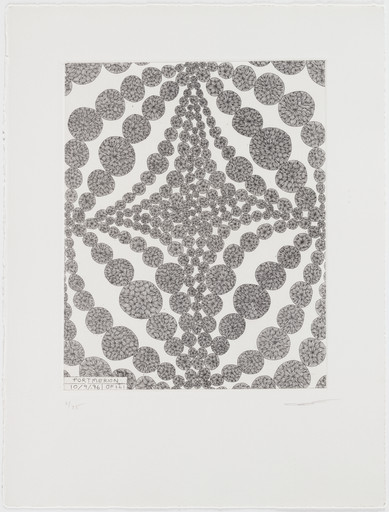
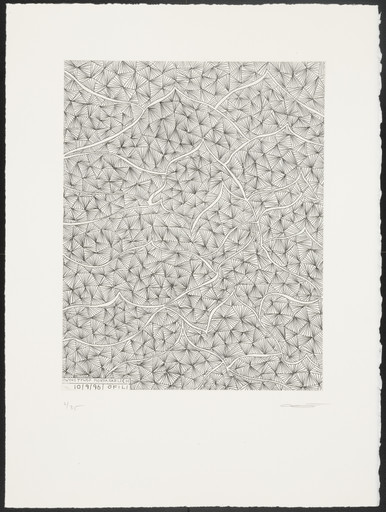
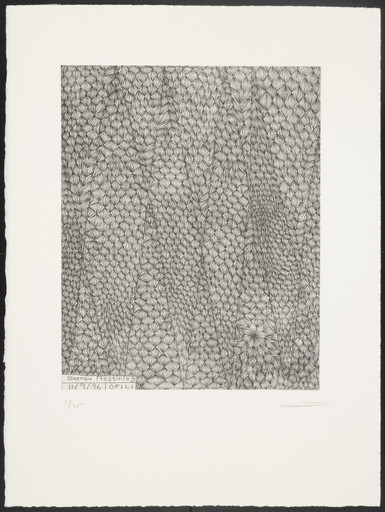
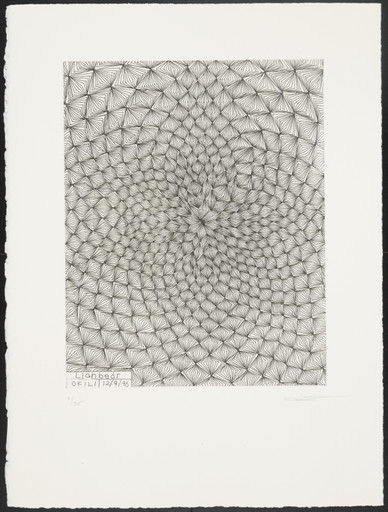
Young British Artists
A label applied to a loose group of British artists who began to exhibit together in 1988, and who became known for their openness to materials and processes, shock tactics, and entrepreneurial attitude.
Learn more →

From MoMA Design Store


Installation views
We have identified this work in the following photos from our exhibition history.
Licensing
Artwork or archival images
If you would like to reproduce an image of a work of art in MoMA's collection, or an image of a MoMA publication or archival material (including installation views, checklists, and press releases), please contact Art Resource (publication in North America) or Scala Archives (publication in all other geographic locations).
Audio and film clips
MoMA licenses archival audio and select out of copyright film clips from our film collection. At this time, MoMA produced video cannot be licensed by MoMA/Scala. All requests to license archival audio or out of copyright film clips should be addressed to Scala Archives at [email protected]. Motion picture film stills cannot be licensed by MoMA/Scala. For access to motion picture film stills for research purposes, please contact the Film Study Center at [email protected]. For more information about film loans and our Circulating Film and Video Library, please visit Circulating Film and Video Library.
Text from a publication or the archives
If you would like to reproduce text from a MoMA publication, please email [email protected]. If you would like to publish text from MoMA's archival materials, please fill out this permission form and send to [email protected].
Feedback
This record is a work in progress. If you have additional information or spotted an error, please fill out this feedback form.