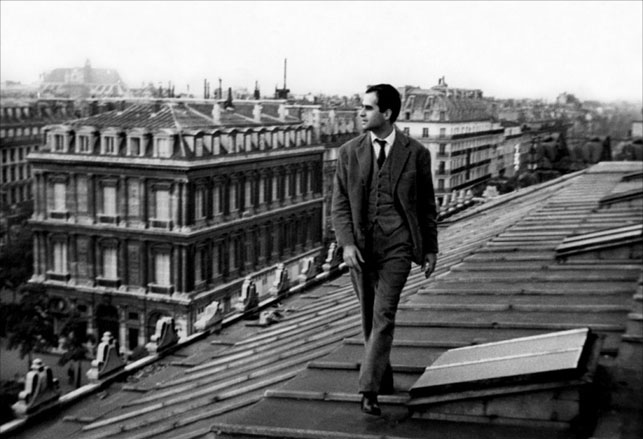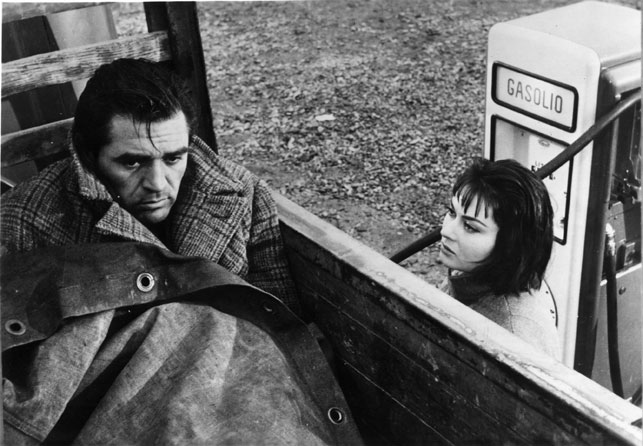

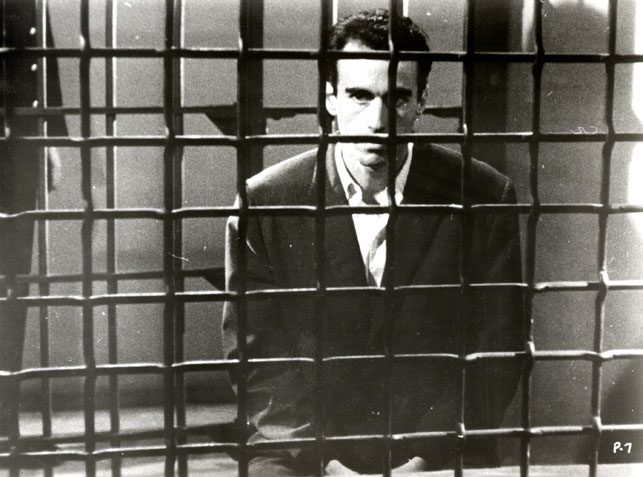
These notes accompany screenings of Robert Bresson’s </em>Pickpocket</a> on June 26, 27, and 28 in Theater 2.</p>
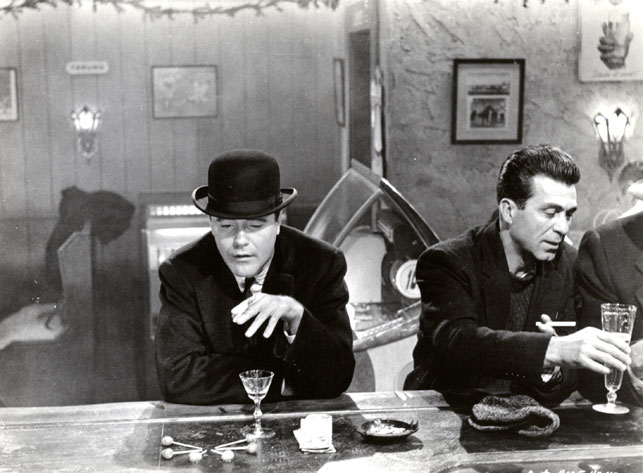
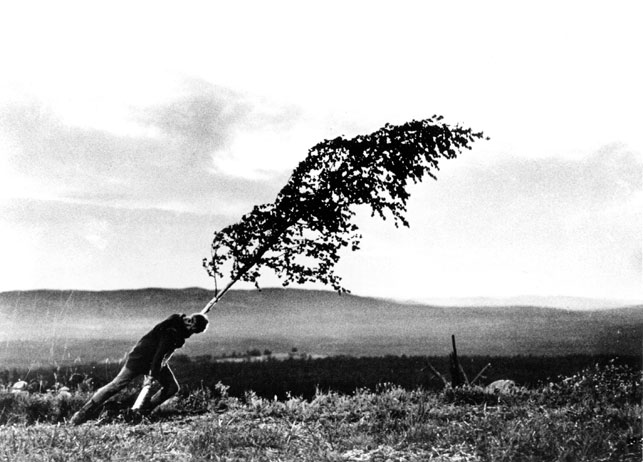
Robert Enrico (1931–2001), a contemporary of the French New Wave directors—but one who actually went to film school
Posts in ‘An Auteurist History of Film’
Robert Bresson’s Pickpocket
Billy Wilder’s The Apartment
These notes accompany screenings of Billy Wilder’s </em>The Apartment</a> on June 19, 20, and 21 in Theater 3.</p>
The Apartment won three Oscars for Billy Wilder as producer, director, and co-screenwriter.
Jacques Rivette’s Paris Belongs to Us
These notes accompany screenings of Jacques Rivette’s </em>Paris Belongs to Us</a> on June 12, 13, and 14 in Theater 3.</p>
Jacques Rivette, who recently celebrated his 85th birthday—and is still active—seems to me to be one of the most uneven, and certainly less prolific, of the major figures to come out of the French New Wave.
Francois Truffaut’s The 400 Blows
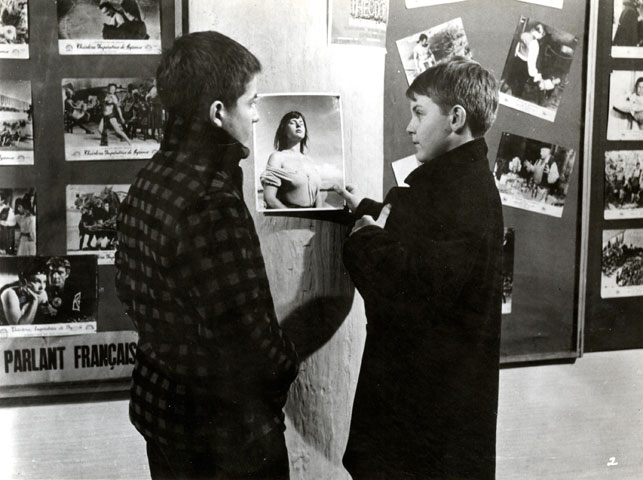
These notes accompany screenings of Francois Truffaut’s </em>The 400 Blows</a> on June 5, 6, and 7 in Theater 3.</p>
In the interest of full disclosure, let me make it clear at the outset that of all the directors who came along
Budd Boetticher’s The Rise and Fall of Legs Diamond
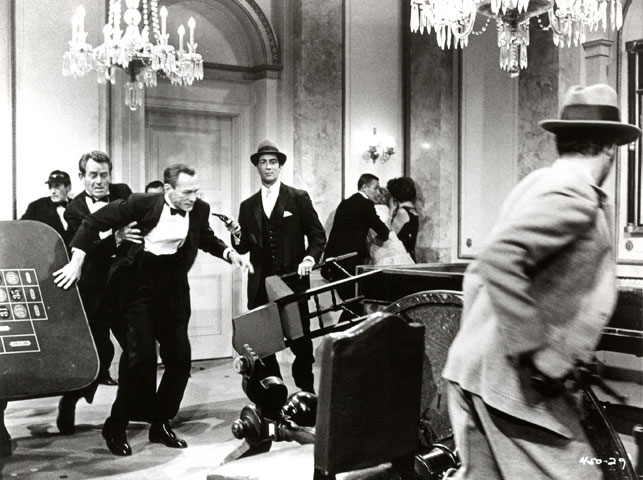
These notes accompany screenings of Budd Boetticher’s </em>The Rise and Fall of Legs Diamond</a> on May 29 and 30 in Theater 1.</p>
Oscar “Budd” Boetticher (1916–2001) is one of those directors who would likely have been all but ignored by film historians—if Andrew Sarris had not succeeded in making auteur theory prominent.
Ingmar Bergman’s The Virgin Spring
These notes accompany screenings of Ingmar Bergman’s </em>The Virgin Spring</a> on May 22, 23, and 24 in Theater 3.</p>
Ingmar Bergman (1918–2007) had turned 40, and had already directed 20 films
Claude Chabrol’s The Cousins
These notes accompany screenings of Claude Chabrol’s </em>The Cousins</a> on May 15, 16, and 17 in Theater 3.</p>
When Andrew Sarris published Interviews with Film Directors in 1967, he could already write that Claude Chabrol (1930–2010) had “quickly become one of the forgotten figures of the nouvelle vague.”
Michelangelo Antonioni’s Il Grido
Il Grido (The Cry) catches Michelangelo Antonioni (1912–2007) in transition from his Neorealist roots to his more personal, despairing vision.
Non-California Dreaming: The American Avant-Garde, 1948–60
These notes accompany the Non-California Dreaming: The American Avant-Garde, Program 2 (1948–60) screening program on May 1, 2, and 3.
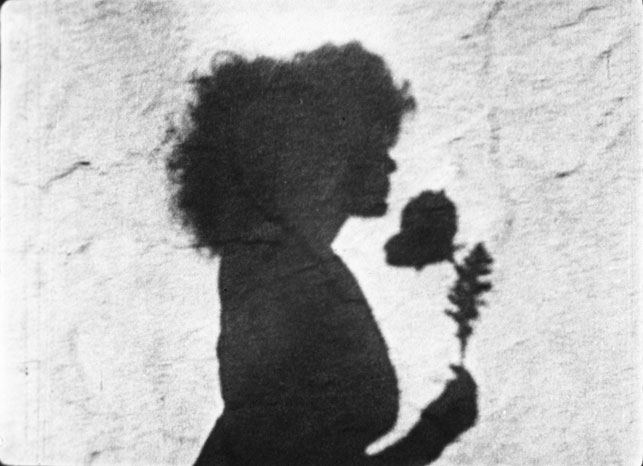
After Maya Deren (with husband Alexander Hammid) directed Meshes of the Afternoon and moved back east, and Amos Vogel founded Cinema 16, California ceased to be the exclusive center of the independent film movement, and New York became a rival.
California Dreaming: The American Avant-Garde, 1942–58
These notes accompany the California Dreaming: The American Avant-Garde, 1942–58 screening program on April 24, 25, and 26.
Although nothing quite comparable to the French Surrealist films of the 1920s came out of America, the occasional maverick production had appeared on the periphery of Hollywood over the years.
If you are interested in reproducing images from The Museum of Modern Art web site, please visit the Image Permissions page (www.moma.org/permissions). For additional information about using content from MoMA.org, please visit About this Site (www.moma.org/site).
© Copyright 2016 The Museum of Modern Art