Not on view
Rivera spent the tumultuous years of the Mexican Revolution (1910–20) painting and traveling abroad in Europe. Upon returning to his native country in 1921, he exalted indigenous Mexican people and traditions, making them a central subject of his work. As he later recalled, "My homecoming aroused an aesthetic rejoicing in me which is impossible to describe. . . . Everywhere I saw a potential masterpiece—in the crowds, the markets, the festivals, the marching battalions, the workers in the workshops, the fields—in every shining face, every radiant child." This painting, depicting a flower festival held on Good Friday in a town then called Santa Anita, was included in a solo exhibition of Rivera's work at MoMA in 1931. Only the second artist (after Henri Matisse) to receive this honor, Rivera was, at the time, an international celebrity: the New York Sun hailed him as "the most talked about artist on this side of the Atlantic."
2009.
Explore more
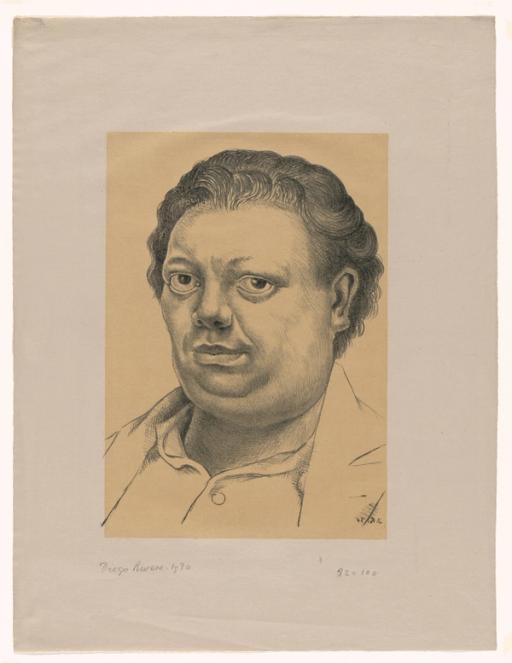
Diego Rivera
Mexican, 1886–1957 92 works onlineAt the height of his career, Diego Rivera was an international art celebrity. Trained at the Escuela Nacional de Bellas Artes in Mexico City, he spent more than a decade in Europe, becoming a leading figure in Paris’s vibrant international community of avant-garde artists.
Learn more →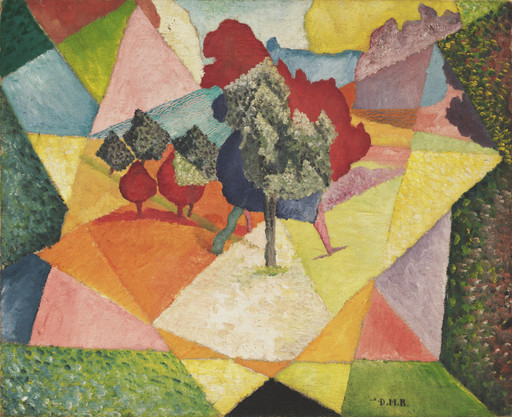
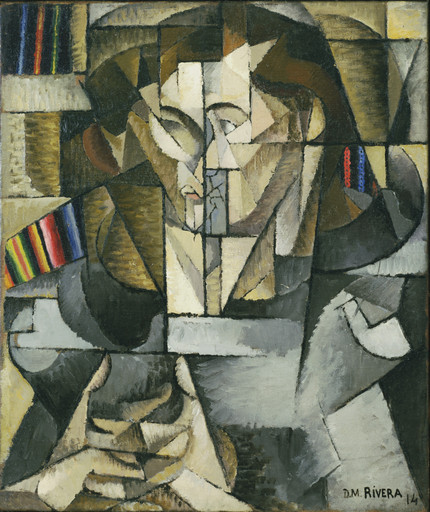
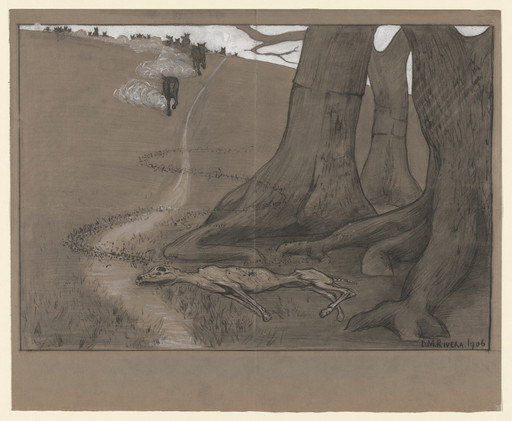



From MoMA Design Store


Installation views
We have identified this work in the following photos from our exhibition history.
Licensing
Artwork or archival images
If you would like to reproduce an image of a work of art in MoMA's collection, or an image of a MoMA publication or archival material (including installation views, checklists, and press releases), please contact Art Resource (publication in North America) or Scala Archives (publication in all other geographic locations).
Audio and film clips
MoMA licenses archival audio and select out of copyright film clips from our film collection. At this time, MoMA produced video cannot be licensed by MoMA/Scala. All requests to license archival audio or out of copyright film clips should be addressed to Scala Archives at [email protected]. Motion picture film stills cannot be licensed by MoMA/Scala. For access to motion picture film stills for research purposes, please contact the Film Study Center at [email protected]. For more information about film loans and our Circulating Film and Video Library, please visit Circulating Film and Video Library.
Text from a publication or the archives
If you would like to reproduce text from a MoMA publication, please email [email protected]. If you would like to publish text from MoMA's archival materials, please fill out this permission form and send to [email protected].
Feedback
This record is a work in progress. If you have additional information or spotted an error, please fill out this feedback form.