“Wood is something that is alive,” Munch stated, and he saw the material as a source of primal energies to be released through carving. Munch used the physical qualities of the wood in the image, carving against the grain of the woodblock so that the horizontals of the sky run perpendicular to the vertical striations of the wood. With each cut into the block, Munch met the resistance of the grain, generating a tension in his process that mimicked the woodcut’s emotional subject.
2021
Gallery label from Edvard Munch: The Scream , October 24, 2012–April 29, 2013.
The standard practice for creating color woodcuts is to carve separate woodblocks for each color and then ink and print them successively, one over the other, on a sheet of paper. Munch devised a simplified process in which he cut out each section of the composition from a single woodblock, like a jigsaw puzzle. He then inked each element in the desired color and fit all the pieces back together. With this method, printing required only one run through the press.
Edvard Munch: The Scream, October 24, 2012–April 29, 2013.
Explore more
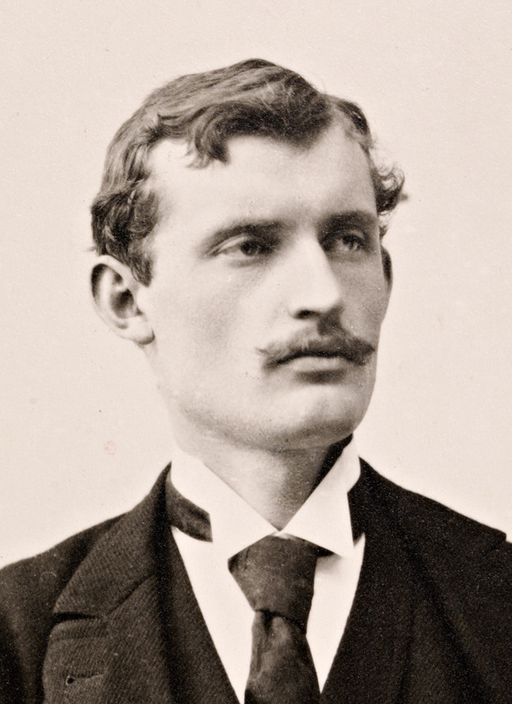
Edvard Munch
Norwegian, 1863–1944 73 works onlineFor Edvard Munch, 1893 was a year of screams. In the fall, the Norwegian artist produced two versions of The Scream , his now iconic image of personal and universal anguish. ” he later wrote.
Learn more →
From MoMA Design Store


Installation views
We have identified this work in the following photos from our exhibition history.
Licensing
Artwork or archival images
If you would like to reproduce an image of a work of art in MoMA's collection, or an image of a MoMA publication or archival material (including installation views, checklists, and press releases), please contact Art Resource (publication in North America) or Scala Archives (publication in all other geographic locations).
Audio and film clips
MoMA licenses archival audio and select out of copyright film clips from our film collection. At this time, MoMA produced video cannot be licensed by MoMA/Scala. All requests to license archival audio or out of copyright film clips should be addressed to Scala Archives at [email protected]. Motion picture film stills cannot be licensed by MoMA/Scala. For access to motion picture film stills for research purposes, please contact the Film Study Center at [email protected]. For more information about film loans and our Circulating Film and Video Library, please visit Circulating Film and Video Library.
Text from a publication or the archives
If you would like to reproduce text from a MoMA publication, please email [email protected]. If you would like to publish text from MoMA's archival materials, please fill out this permission form and send to [email protected].
Feedback
This record is a work in progress. If you have additional information or spotted an error, please fill out this feedback form.