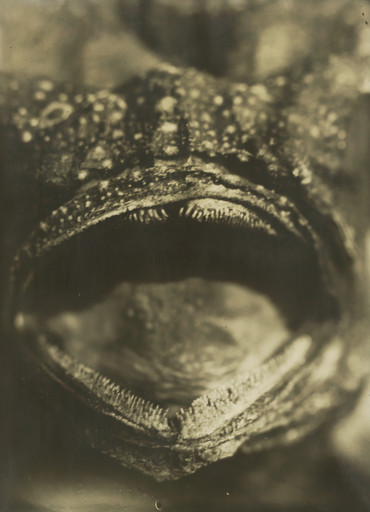
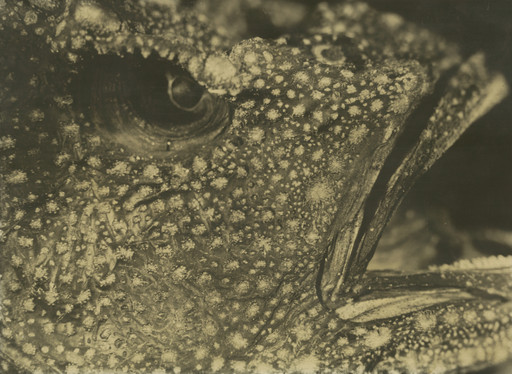
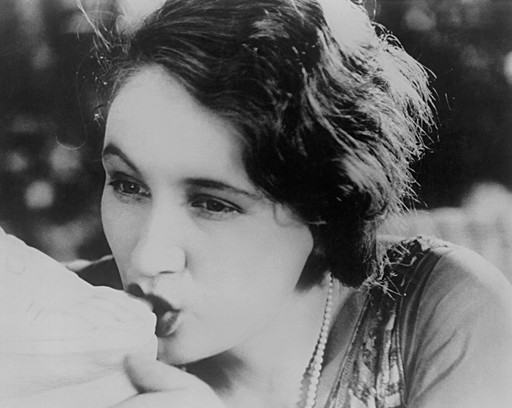
Painlevé, a scientist and filmmaker, recorded seahorses in natural and artificial environments using newly invented underwater equipment. His observations capture the peculiarities of the animal’s anatomy and reproductive process. The female seahorse gives her eggs to the male, who fertilizes them and carries them in his womb before giving birth. Painlevé’s sustained attention to seemingly strange, nonhuman ways of existing doubled as a critical reflection on contemporary social structures, which appealed to the Surrealist’s political orientation. In 1929 and 1930, zoological photographs by Painlevé and his collaborator Eli Lotar were published in the Surrealist journal Documents.
517: A Surreal Lens, 2025
Explore more
A Surreal Lens
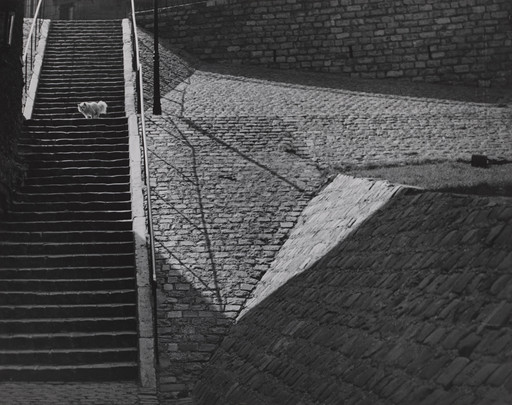
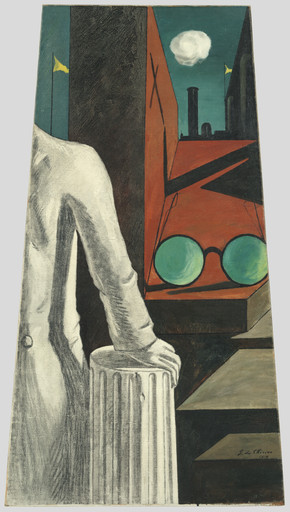
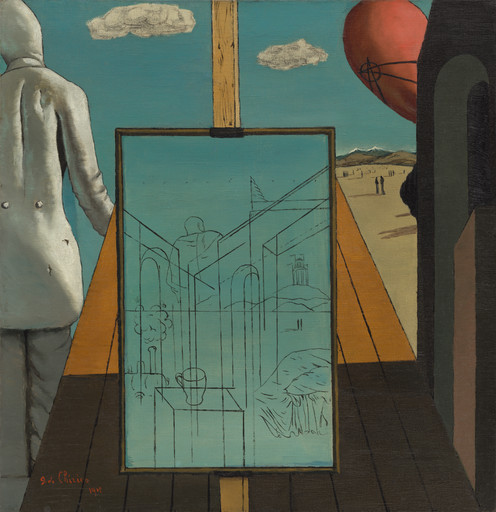
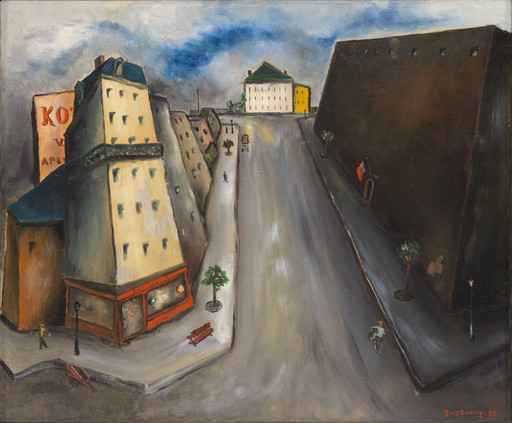
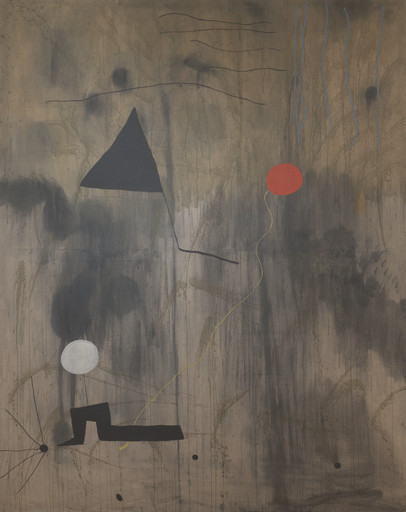
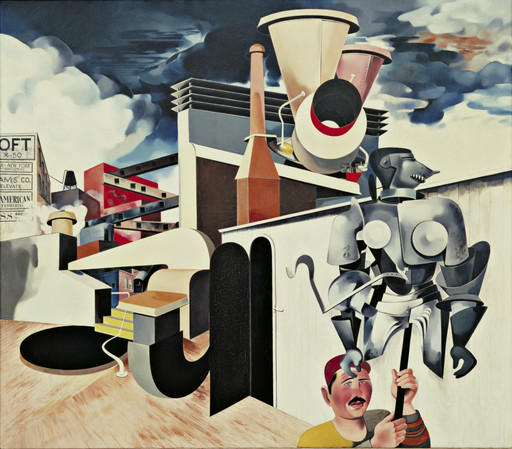
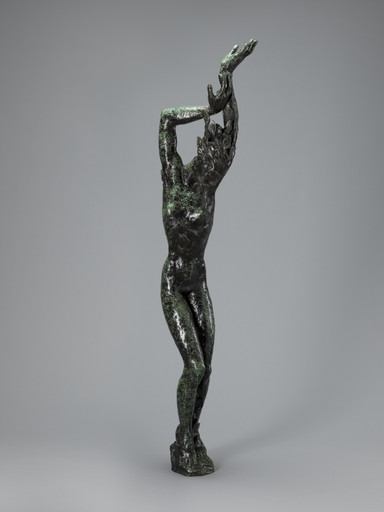
Gallery 517In 1924, André Breton published his Manifesto of Surrealism, which, guided by Sigmund Freud’s psychoanalytic theories, declared a radical break from the rationalism of modern society in favor of imagination, erotic desire, and unconscious thought.
Learn more →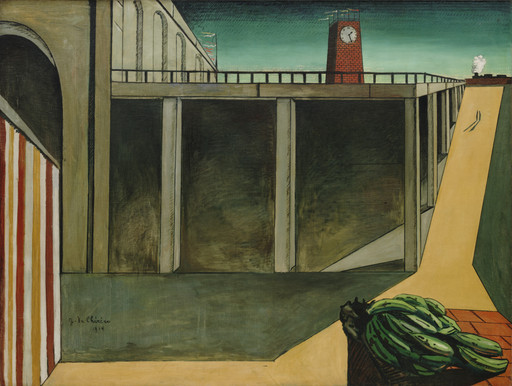

From MoMA Design Store


Licensing
Artwork or archival images
If you would like to reproduce an image of a work of art in MoMA's collection, or an image of a MoMA publication or archival material (including installation views, checklists, and press releases), please contact Art Resource (publication in North America) or Scala Archives (publication in all other geographic locations).
Audio and film clips
MoMA licenses archival audio and select out of copyright film clips from our film collection. At this time, MoMA produced video cannot be licensed by MoMA/Scala. All requests to license archival audio or out of copyright film clips should be addressed to Scala Archives at [email protected]. Motion picture film stills cannot be licensed by MoMA/Scala. For access to motion picture film stills for research purposes, please contact the Film Study Center at [email protected]. For more information about film loans and our Circulating Film and Video Library, please visit Circulating Film and Video Library.
Text from a publication or the archives
If you would like to reproduce text from a MoMA publication, please email [email protected]. If you would like to publish text from MoMA's archival materials, please fill out this permission form and send to [email protected].
Feedback
This record is a work in progress. If you have additional information or spotted an error, please fill out this feedback form.