Various Artists, Walther Klemm, Ernst Barlach, Erich Heckel, Max Liebermann, August Gaul, Willy Jaeckel, Josef Bato, Ernst Ludwig Kirchner, Heinrich Zille, Oskar Kokoschka, Käthe Kollwitz, Otto Mueller, Max Slevogt, Ottomar Starke, Wilhelm Wagner, Leopold von Kalckreuth, Rudolf Grossmann
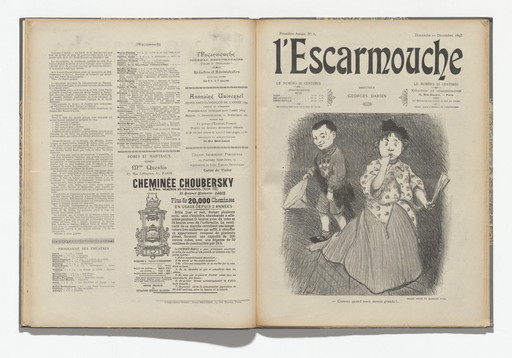
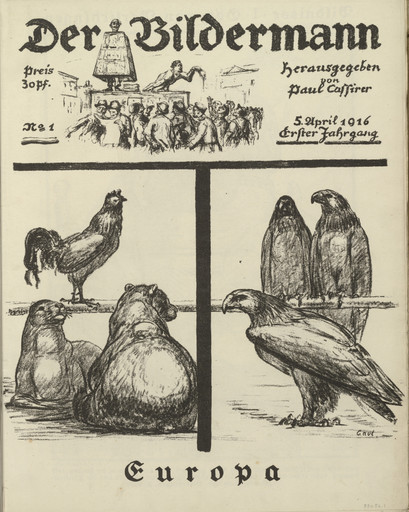
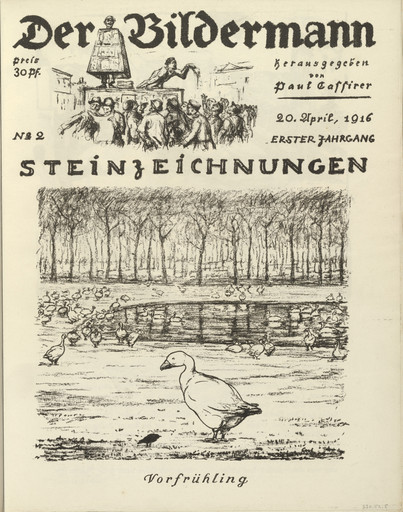
Der Bildermann, vol. 1, nos. 1-18
April 1916-December 1916
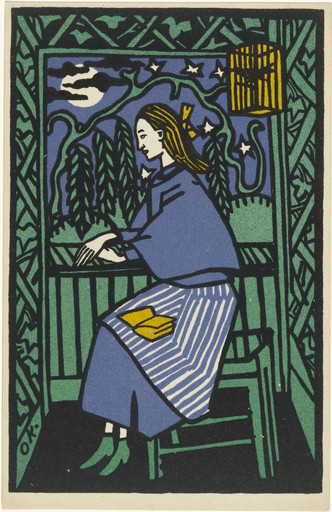
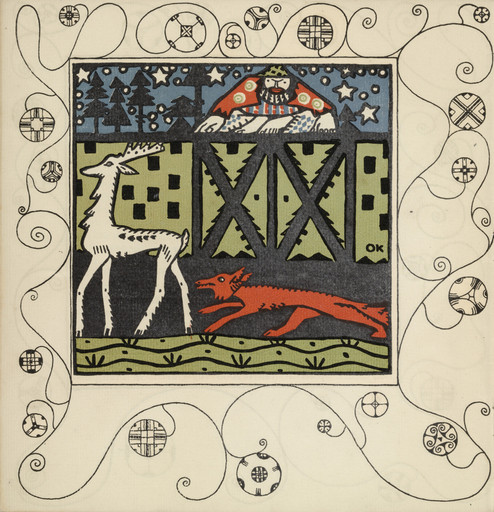
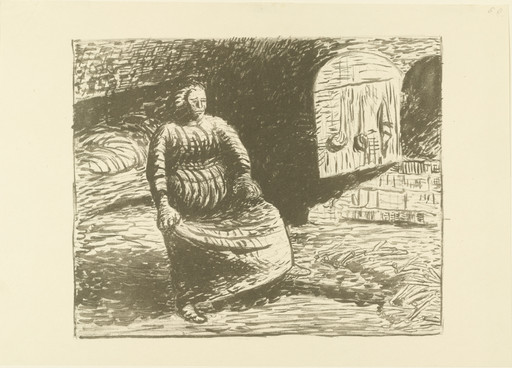
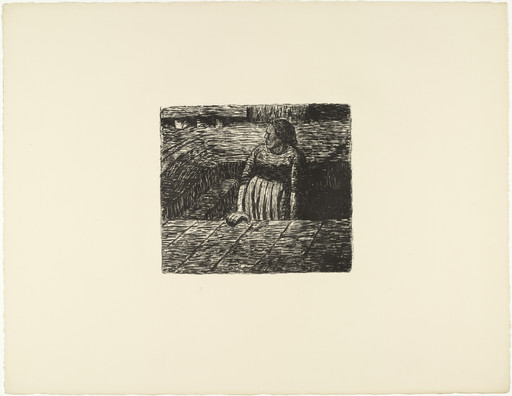
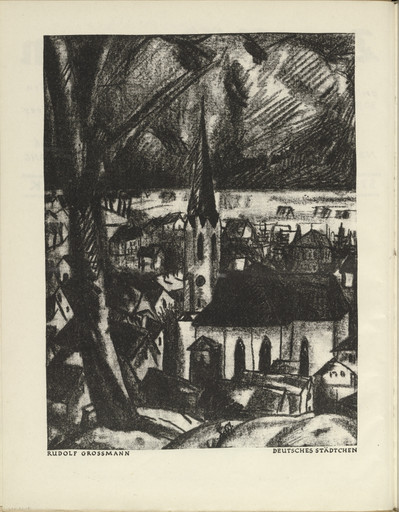
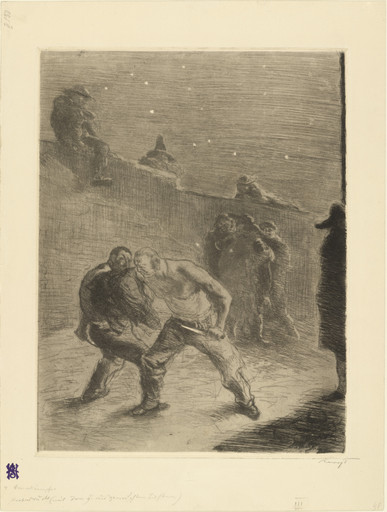
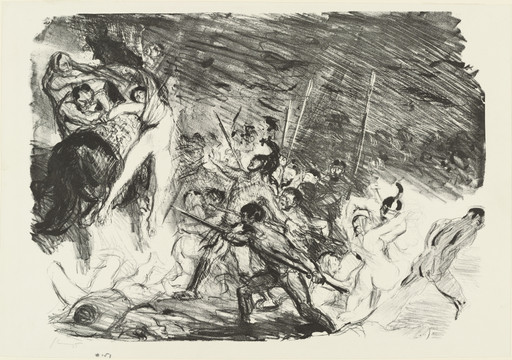
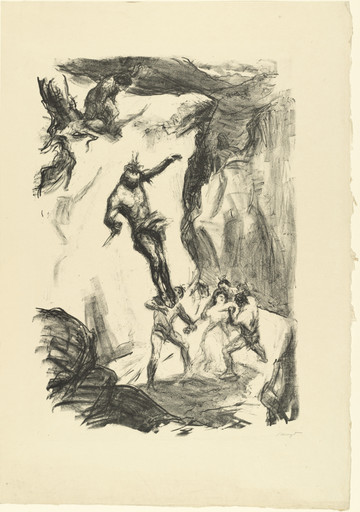
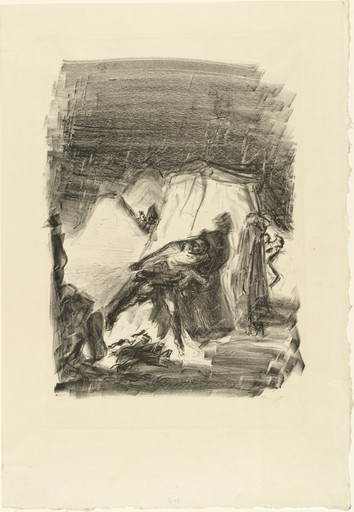
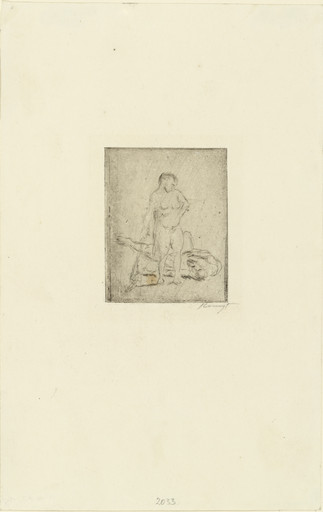
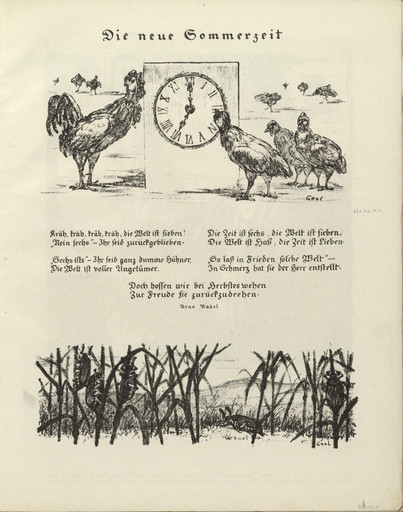
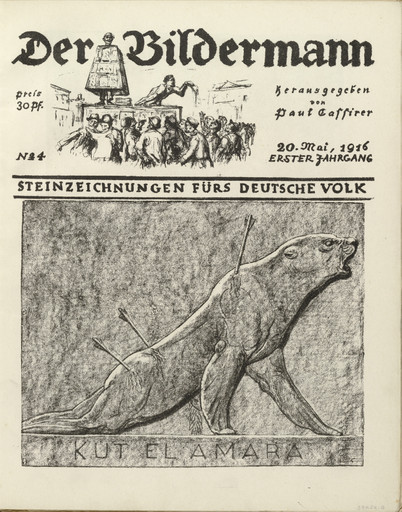
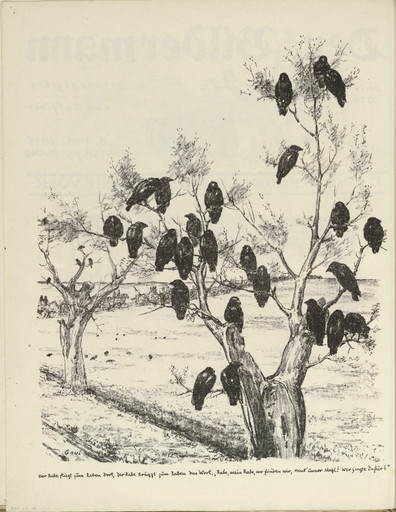
Eighteen issues of periodical with eighty-four lithographs
Not on view
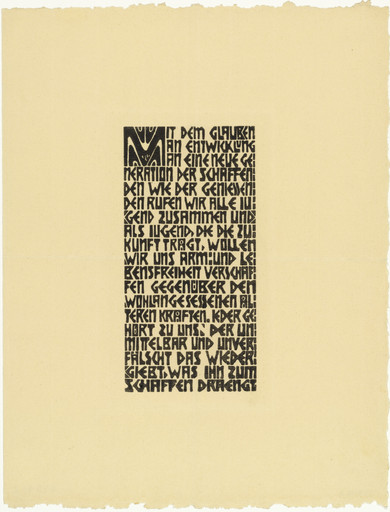
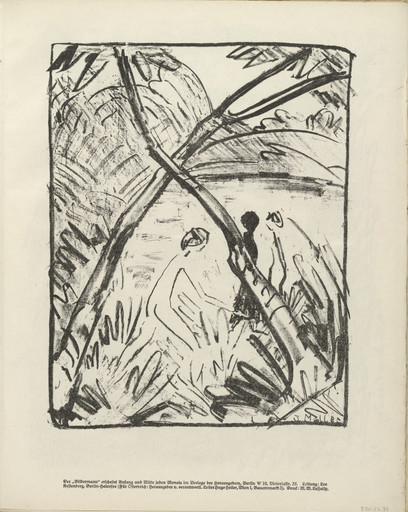
In 1916, reflecting the increasing weariness with World War I in Germany, Paul Cassirer Verlag replaced the hawkish periodical Kriegszeit with Der Bildermann, a new publication whose goal was "to bring a broad public directly in touch with art." Der Bildermann featured original lithographs that addressed a range of subjects, not just the war, as an answer to the growing call for beauty as the conflict dragged on. Leo Kestenberg, a pianist and pacifist, ran the journal while Cassirer served in the army. The artist Max Slevogt suggested the periodical's title, which means "the picture man," and designed the vignette on the masthead, which shows a man peddling broadsheets to eager soldiers and civilians of all ages and stations.
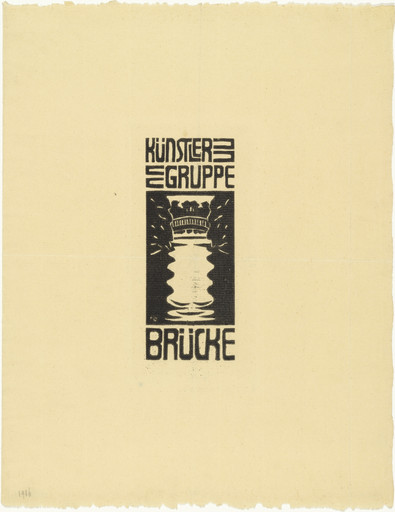
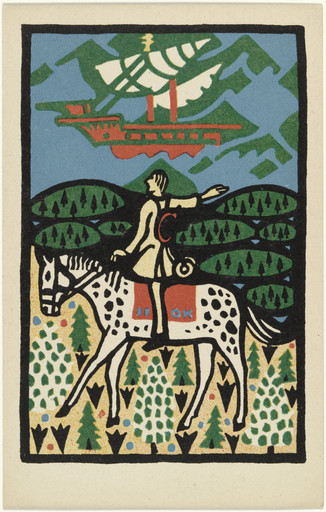
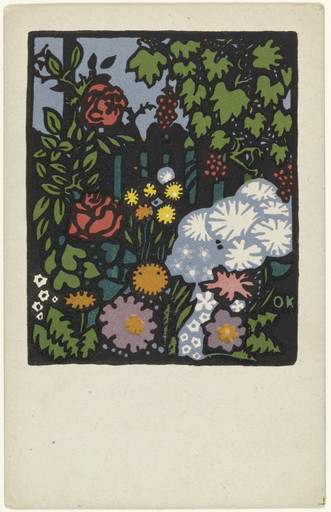
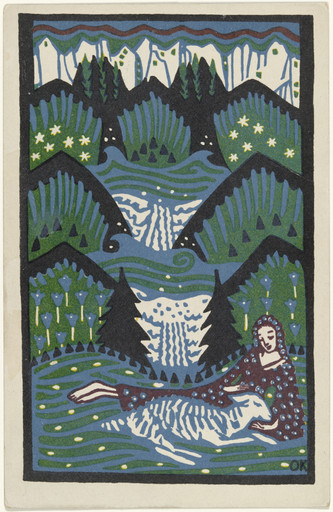
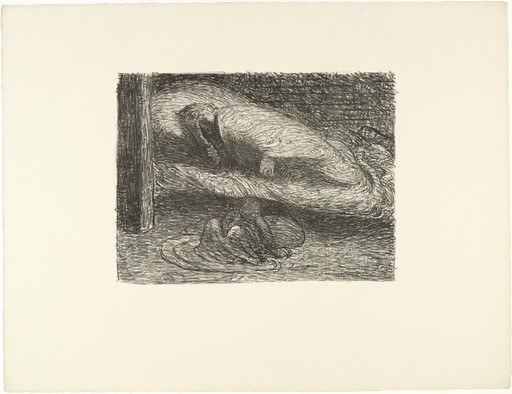
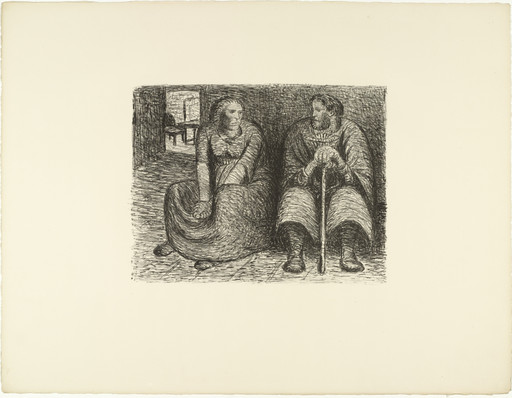
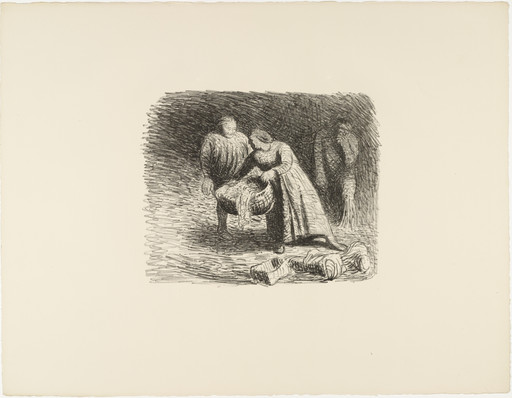
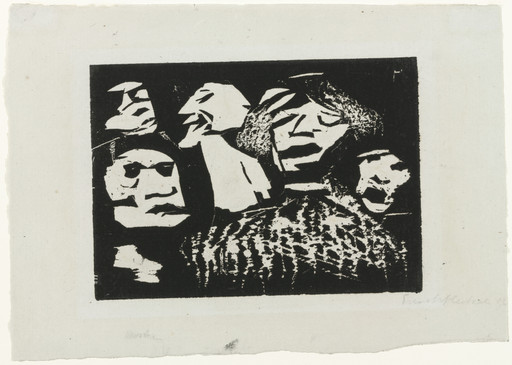
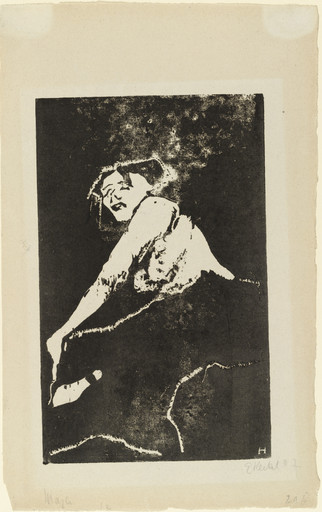
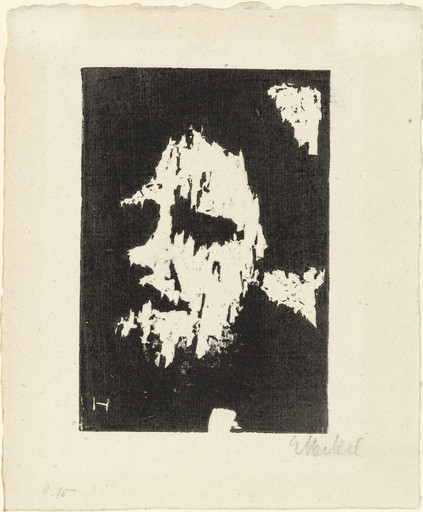
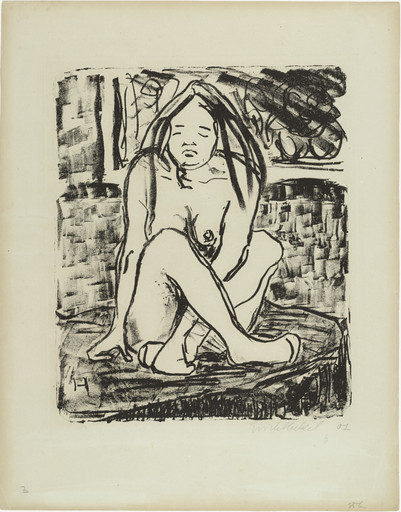
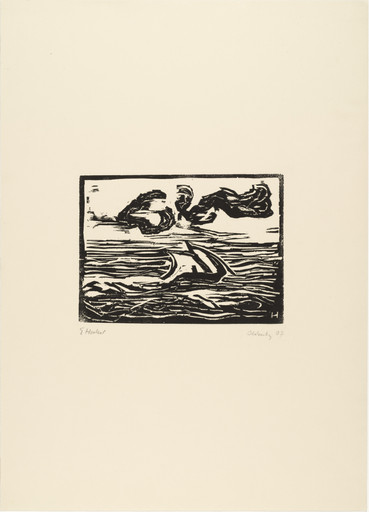
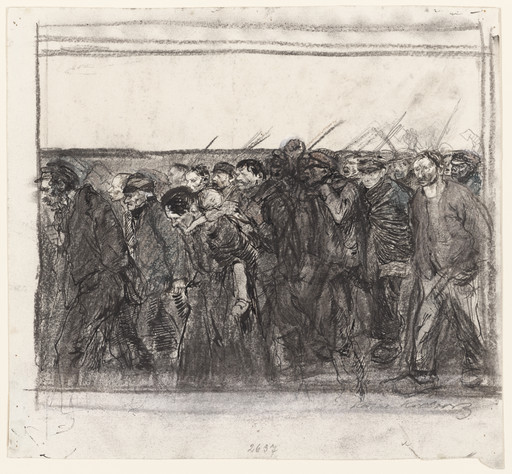
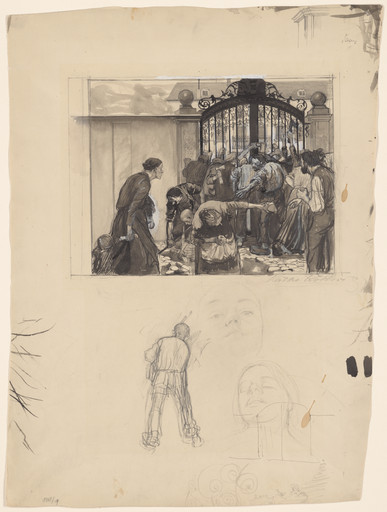
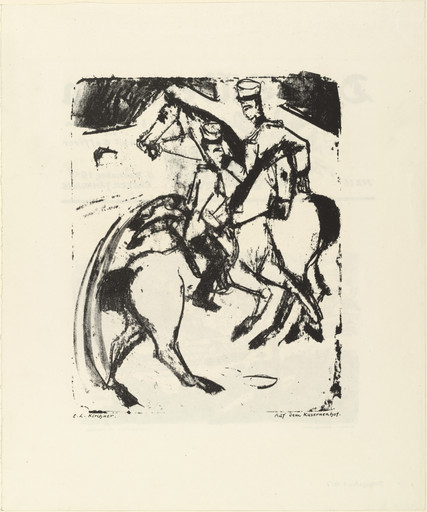
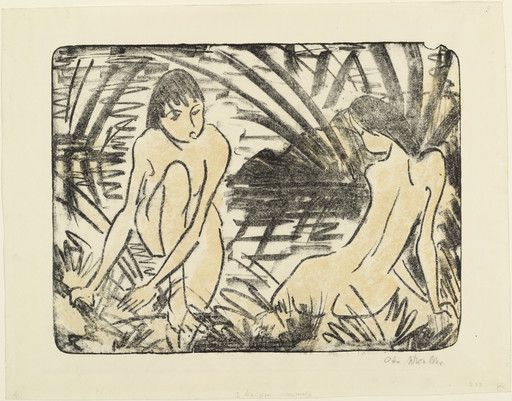
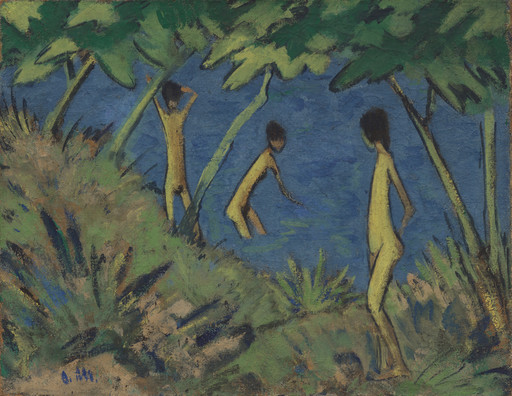
Der Bildermann balanced a preponderance of allegorical animal scenes by August Gaul with edgier Expressionist works by former Brücke artists—Ernst Ludwig Kirchner, Erich Heckel, and Otto Mueller—and monumental images of Death by Ernst Barlach. Oskar Kokoschka, who had been severely injured on the Eastern Front, contributed six prints on the Passion of Christ, focusing on the human capacity to inflict suffering. The publication also featured socially critical print series by Slevogt and Ottomar Starke.
Dwindling subscriptions, coupled with increasing difficulties with censors and the bureaucracy, led Cassirer to cease publication of Der Bildermann after only eighteen issues.
Heather Hess, German Expressionist Digital Archive Project, German Expressionism: Works from the Collection. 2011.
Explore more
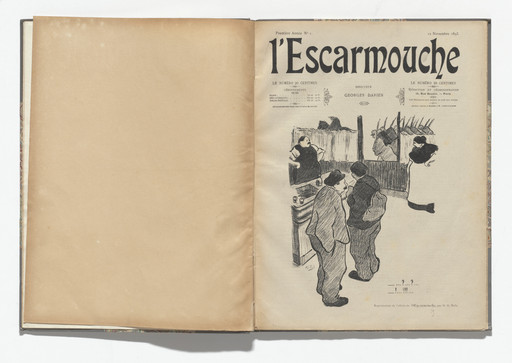
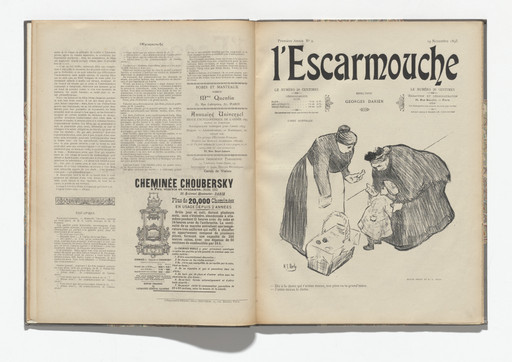
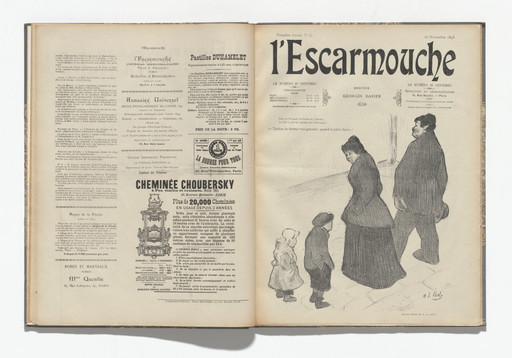
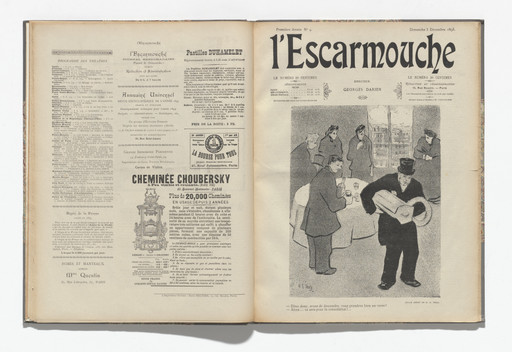
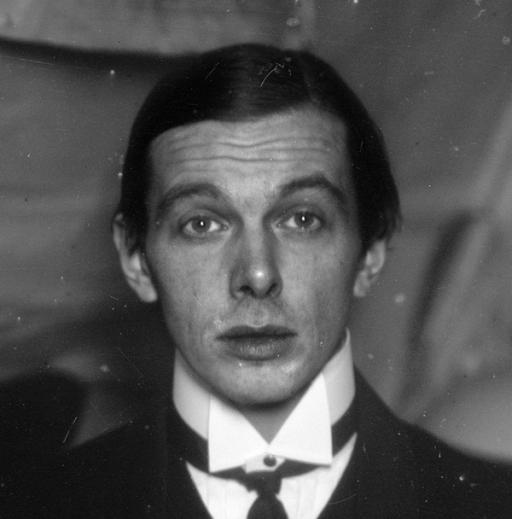
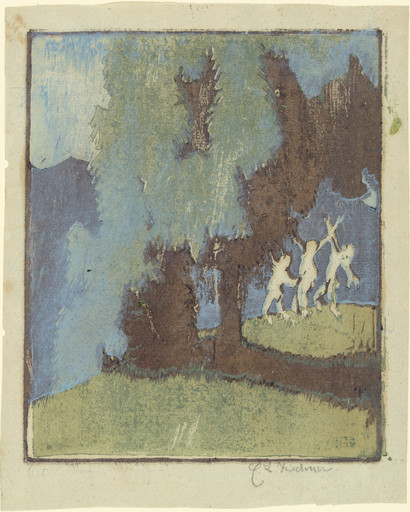
Ernst Ludwig Kirchner
German, 1880–1938 176 works onlineIn 1905, painter and printmaker Ernst Ludwig Kirchner, along with Fritz Bleyl, Erich Heckel , and Karl Schmidt-Rottluff —all untrained in the visual arts—founded the artists’ group Die Brücke , or “The Bridge,” a moment that is now considered the birth of German Expressionism.
Learn more →
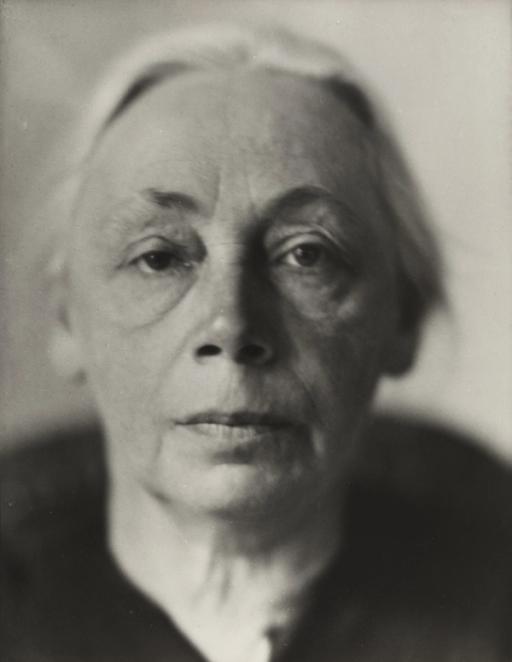
Käthe Kollwitz
German, 1867–1945 49 works onlineBorn in the Prussian city of Königsberg (now Kaliningrad, Russia) in 1867, Käthe Kollwitz established herself in an art world dominated by men by developing an aesthetic vision centered on women and the working class.
Learn more →

![Rudolf Grossmann. Funeral of Cardinal Fischer, Cologne (Large Version) (Begräbnis des Kardinal Fischer, Köln [große Fassung])](https://www.moma.org/media/W1siZiIsIjExOTYyNCJdLFsicCIsImNvbnZlcnQiLCItcXVhbGl0eSA5MCAtcmVzaXplIDUxMng1MTJcdTAwM2UiXV0.jpg?sha=3067eb8580c163a8)
![Otto Mueller. One Girl Bathing and the Other Sitting on the Shore (2) [Badendes und am Ufer sitzendes Mädchen (2)]](https://www.moma.org/media/W1siZiIsIjEzNjIwMCJdLFsicCIsImNvbnZlcnQiLCItcXVhbGl0eSA5MCAtcmVzaXplIDUxMng1MTJcdTAwM2UiXV0.jpg?sha=688ff2371e78f964)
![Otto Mueller. Five Girls by a Pond in the Woods (1) [Fünf Mädchen am Waldteich (2)]](https://www.moma.org/media/W1siZiIsIjExMzUwMyJdLFsicCIsImNvbnZlcnQiLCItcXVhbGl0eSA5MCAtcmVzaXplIDUxMng1MTJcdTAwM2UiXV0.jpg?sha=e7e9125f16560c72)

From MoMA Design Store


Licensing
Artwork or archival images
If you would like to reproduce an image of a work of art in MoMA's collection, or an image of a MoMA publication or archival material (including installation views, checklists, and press releases), please contact Art Resource (publication in North America) or Scala Archives (publication in all other geographic locations).
Audio and film clips
MoMA licenses archival audio and select out of copyright film clips from our film collection. At this time, MoMA produced video cannot be licensed by MoMA/Scala. All requests to license archival audio or out of copyright film clips should be addressed to Scala Archives at [email protected]. Motion picture film stills cannot be licensed by MoMA/Scala. For access to motion picture film stills for research purposes, please contact the Film Study Center at [email protected]. For more information about film loans and our Circulating Film and Video Library, please visit Circulating Film and Video Library.
Text from a publication or the archives
If you would like to reproduce text from a MoMA publication, please email [email protected]. If you would like to publish text from MoMA's archival materials, please fill out this permission form and send to [email protected].
Feedback
This record is a work in progress. If you have additional information or spotted an error, please fill out this feedback form.