 |
|
In the 1920s, newsreels brought to international audiences numbering in the tens of millions privileged glimpses of private and far-off events like Rudolph Valentino's funeral and Charles Lindbergh's hero's welcome in France. Film crews competed to record ceremonies important and inane, to capture the pranks of flagpole sitters and to introduce the public to the latest demagogues, exotics, and swells, seen at work and at home, in motion and in repose and up close. The introduction of small handheld cameras in the late 1920s gave photographers the freedom to catch the famous off guard and in revealing detail. And should the circumstances or trappings of everyday life or special events not be photogenic enough, no one complained if pictures were staged and people were costumed and rehearsed to make more compelling pictures. With the rise of the new business of public relations, constructed pictures (known as "pseudo-events" by the end of the century) of newsworthy personalities were a staple of daily newspapers and periodicals.
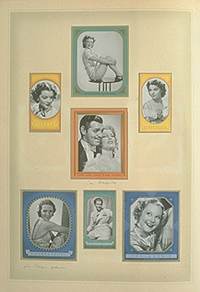
The public's expectation for novel pictures that could be guiltlessly thrown away at day's end was good for the media business. Big city tabloid newspapers, vying for advertisers and readers, splashed large, sensational photographs of sports stars, crime czars, debutantes, adulterers, and saviors on their covers and across their centerfolds. The ephemeral nature of images of the famous reached an even more frenzied height with the shimmering close-up images of the first movie stars. More than any earlier photographs of the famous, the publicity photographs circulated by Hollywood studios in the 1930s transformed the public's relationship to fame and celebrity. For the first time, constructing the bigger-than-life image of people whose job it was to be famous became a successful business. Meticulously crafted glamour stills gave actors a godlike, sexual aura. Every week audiences wearied by the Depression anticipated the promise of seductive trailers in movie theaters across the country, and looked forward to each new issue of their favorite fan magazines that delivered behind-the-curtain peeks into the stars' private lives. Hollywood learned how to create charismatic images that mesmerized worldwide audiences and helped Americans make the uneasy transition from buttoned-up Victorian morality to the freewheeling modern times, and thereby cemented the relationship between photography and fame.
  |
| Photographers unknown. Portraits of motion picture actors and actresses, page from Filmbilder, series 2 published by Ross-Verlag, 1930s. The Museum of Modern Art, New York select image for enlarged view |