
MoMA
Posts in ‘MoMA Stores’
December 4, 2010  |  MoMA Stores
You Only Get Three Wishes

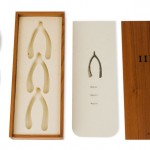
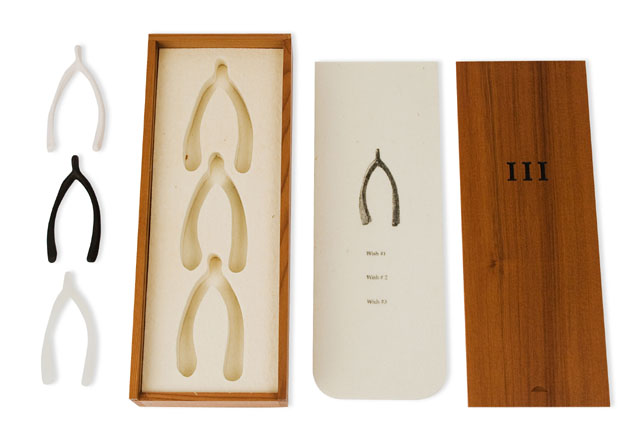
Lorna Simpson. III (Three Wishbones in a Wood Box). 1994

Lorna Simpson is best known for her photography, which often combines images of black women with text as a way to explore society’s relationship with race, sex, and ethnicity. Frequently elusive, her works involve the viewer in the creation of their meaning while also confronting the viewer with the underlying racism still found in American culture.
December 3, 2010  |  MoMA Stores
Love, Your Biggest Fan

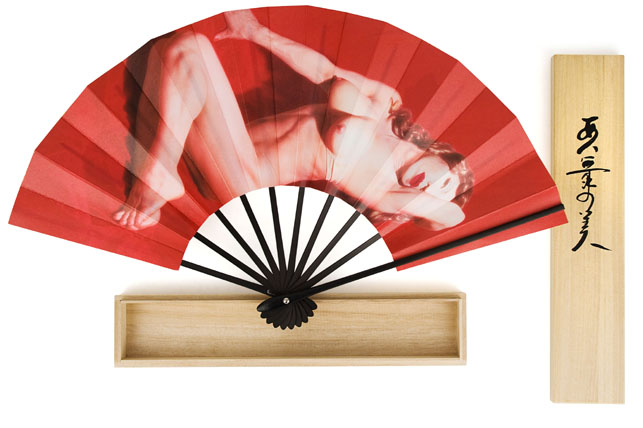
Yasumasa Morimura. Aimai-no-bi (Ambiguous Beauty). 1995

For Ambiguous Beauty, Japanese photographer and appropriation artist Yasumasa Morimura photographed himself as Marilyn Monroe in her first Playboy pin-up, complete with wig and fake breasts. The reverse side of the fan shows the Japanese character for “love,” and the fan is packaged in a box made from Paulownia, a type of wood historically used by the Japanese for the presentation of formal fans.

December 2, 2010  |  MoMA Stores
Baby It’s Cold Outside

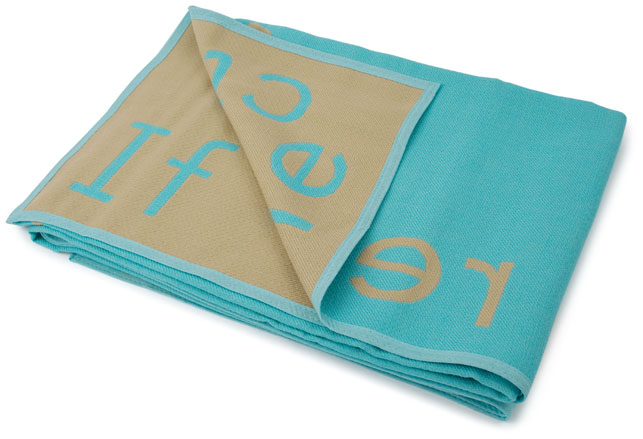
Jim Hodges. Untitled (Double-Sided Blanket). 1998

For this piece, New York City–based artist Jim Hodges wanted to create an imaginary landscape in the form of a blanket meant to resemble a body of water. The blanket “reflects” a poem-fragment written by Hodges, which reads, “If there had been a pool it would have reflected us.” The blanket measures 52 x 72 inches, the exact dimensions of the artist’s own bed, and comes in a half-silvered sleeve.

December 1, 2010  |  MoMA Stores
Star Struck

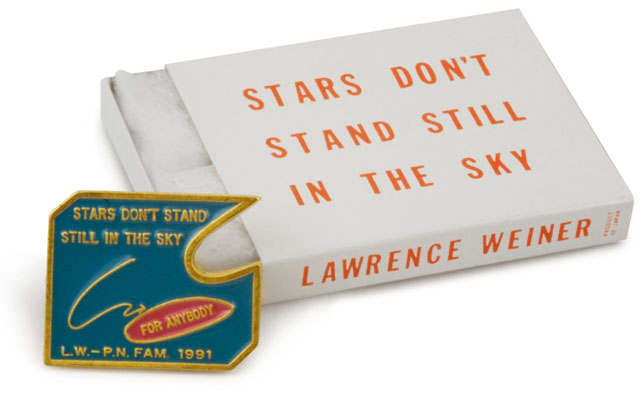
Lawrence Weiner. Untitled (Stars Don’t Stand Still in the Sky for Anybody pin). 1991

Conceptual artist Lawrence Weiner’s enamel pin printed with the phrase “Stars don’t stand still in the sky for anybody” draws on a recurring theme in his work: language and typography. His exploration of words and phrases extends across the wide variety of mediums in which Weiner works, including film, video, book art, sculpture, performance art, installation art, music composition, and graphic design.

November 30, 2010  |  MoMA Stores
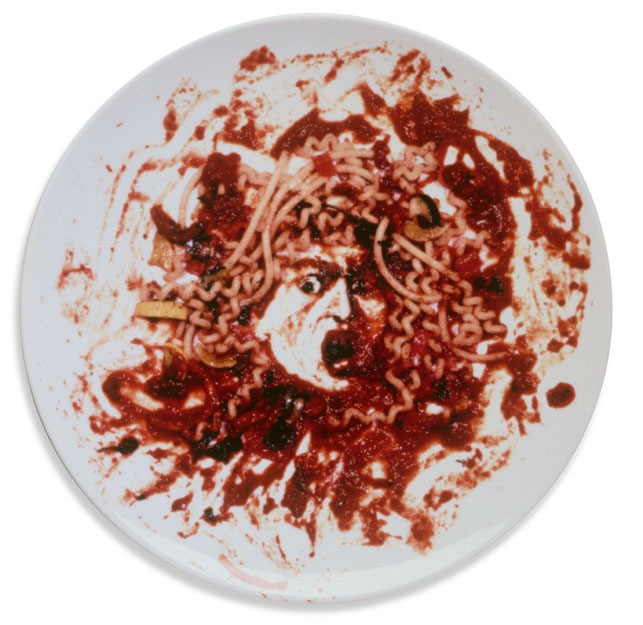
Making Myths from the Mundane

Vik Muniz. Untitled (Medusa Plate). 1999

Each year since 1988, art collector, software entrepreneur, and MoMA trustee Peter Norton has commissioned an art edition to celebrate the holiday season. Created by well-known contemporary artists represented in the Norton family’s own collection, and sent as gifts to personal friends and members of the art community, these highly collectible art objects are interactive and playful. With the holiday season nearly upon us, we thought it would be fun to share some items in the collection with a weeklong series of blog posts.

May 14, 2010  |  MoMA Stores
Discovering Portuguese Design

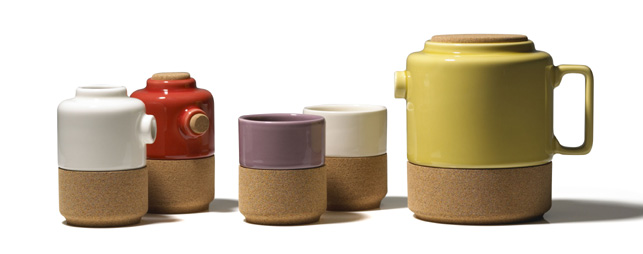
Whistler Cork Creamer, Sugar, Cups, and Teapot from Destination: Portugal

We recently travelled through Lisbon, Porto, and beyond to find products for our eighth Destination: Design collection, which introduces designers and design themes from around the world. This year’s collection—Destination: Portugal—highlights lifestyle products usually found only in Portugal, and the selection process was an exciting journey for us. We had a number of partners for the project, including Ministry of Culture, Portugal; TemaHome; Turismo de Portugal; aicep Portugal Global; and Fundação de Serralves, who helped introduce us to Portuguese designers, artisans, and manufacturers creating everything from umbrellas and filigree jewelry to furniture, teapots, weather predictors, and notebooks.

December 4, 2009  |  MoMA Stores
MoMA’s Holiday Card Program
Robert Indiana. LOVE. 1967

A holiday card created by Robert Indiana (from his LOVE screenprint) was popular in the late 1960s.

Every year since 1954, we have introduced a new line of holiday cards created by artists and designers from around the world. MoMA’s holiday card program was initiated by the Museum’s Junior Council affiliate group, which was founded five years earlier as a way to “bring together a group of younger people who have…a desire to see the [arts] fostered soundly and liberally.” (The Junior Council subsequently evolved into MoMA’s Contemporary Arts Council.)