
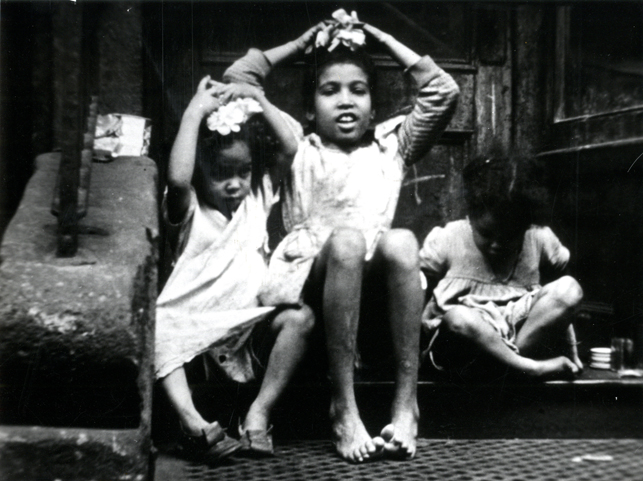
These notes accompany a series of short films about New York City in the 1950s on November 28, 29, and 30 in Theater 3.
Cinematic New York street scenes date back to the very beginnings of the medium, in the 1890s.
These notes accompany a series of short films about New York City in the 1950s on November 28, 29, and 30 in Theater 3.
Cinematic New York street scenes date back to the very beginnings of the medium, in the 1890s.
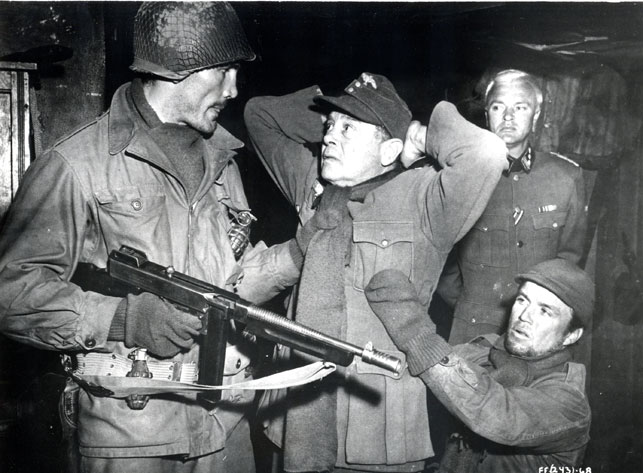
These notes accompany screenings of Robert Aldrich’s Attack! on November 21 and 23 in Theater 3.
Robert Aldrich (1918–1983) imbibed a certain quantity of leftist nourishment through his pre-directorial associations with Jean Renoir
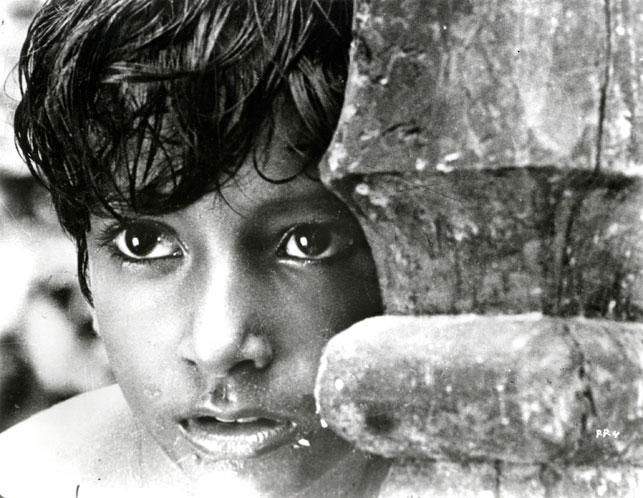
These notes accompany screenings of Satyajit Ray’s Pather Panchali on November 14, 15, and 16 in Theater 2.
“Third World” cinema was pretty much nonexistent for Western audiences until the 1950s. In 1951, with Akira Kurosawa’s Rashomon, Japanese films began to appear on a very limited basis.
These notes accompany screenings of Ida Lupino’s Never Fear (The Young Lovers) on November 8, 9, and 10 in Theater 3.
Ida Lupino (1918–1995) played a nearly unique role in the history of film directing.
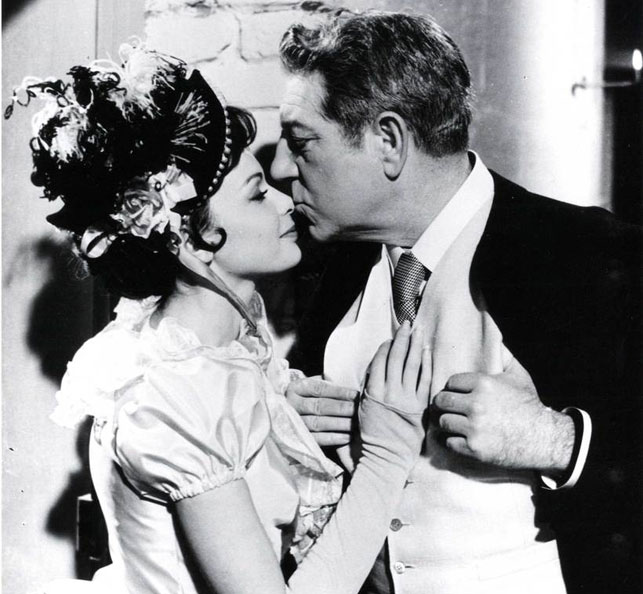
These notes accompany screenings of Jean Renoir’s French Cancan on October 31 and November 1 and 2 in Theater 3.
As regular followers of this series know, I can’t get enough of Jean Renoir. I feel a stronger emotional kinship with him than with any other filmmaker, except possibly Charles Chaplin or John Ford.
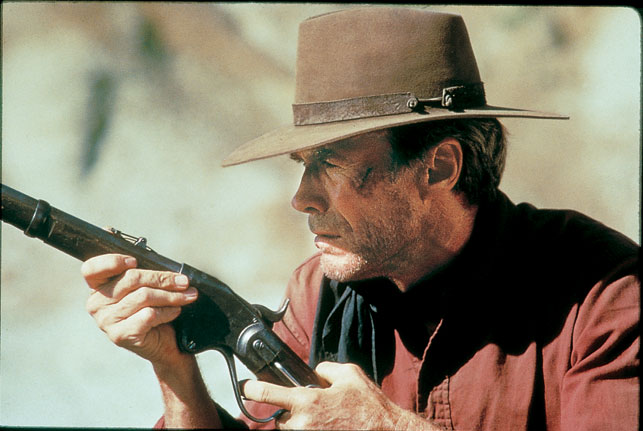
These notes accompany screenings of Clint Eastwood’s Unforgiven on October 24, 25, and 26 in Theater 3</a>.
Clint Eastwood’s diverse acting performances and directing accomplishments in Western films have earned him a solid place high in the pantheon of such genre artists as Ford, Hawks, Wayne, Cooper, Fonda, and Stewart
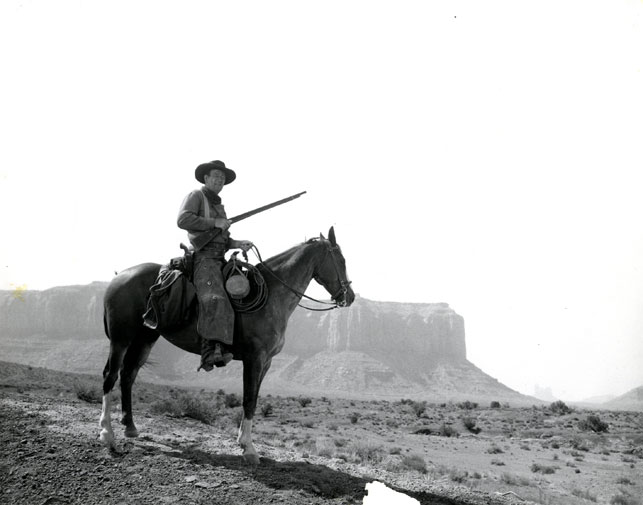
These notes accompany screenings of John Ford’s The Searchers on October 17, 18, and 19 in Theater 3</a>.
The Searchers and [The Man Who Shot] Liberty Valance are the two masterpieces within Ford’s later project of disclosing the dark underbelly of the American West’s progress from wilderness to civilization
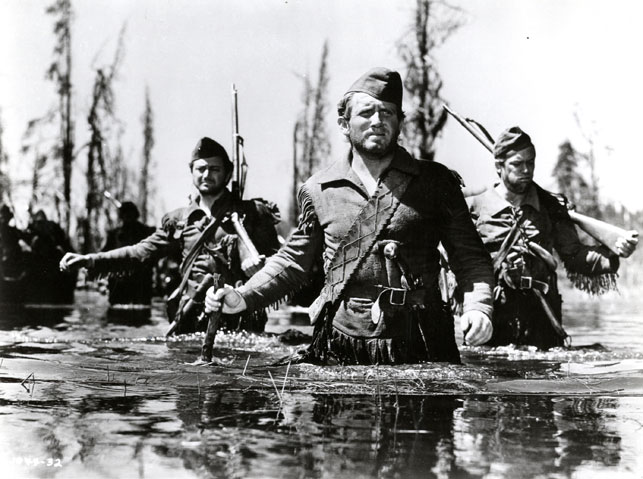
These notes accompany screenings of King Vidor’s Northwest Passage on October 10, 11, and 12 in Theater 3</a>.
An especially intriguing example of a high-quality, landscape-oriented “A” Western of the World War II era is King Vidor’s Northwest Passage
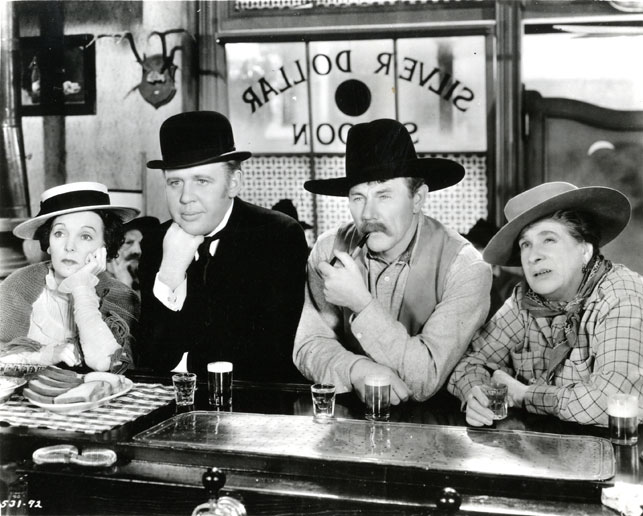
These notes accompany screenings of Leo McCarey’s Ruggles of Red Gap on October 3, 4, and 5 in Theater 2</a>.
A notable and oft-neglected comic Western is Ruggles of Red Gap….
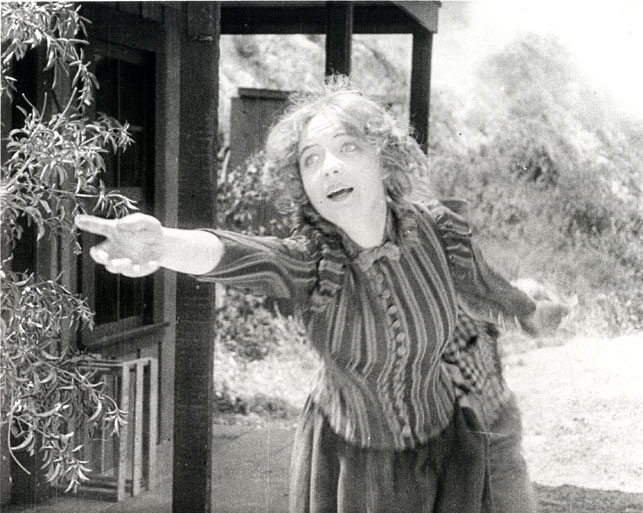
These notes accompany screenings of D. W. Griffith’s The Battle at Elderbush Gulch and John Ford’s Straight Shooting on September 26, 27, and 28 in Theater 2.
If you are interested in reproducing images from The Museum of Modern Art web site, please visit the Image Permissions page (www.moma.org/permissions). For additional information about using content from MoMA.org, please visit About this Site (www.moma.org/site).
© Copyright 2016 The Museum of Modern Art