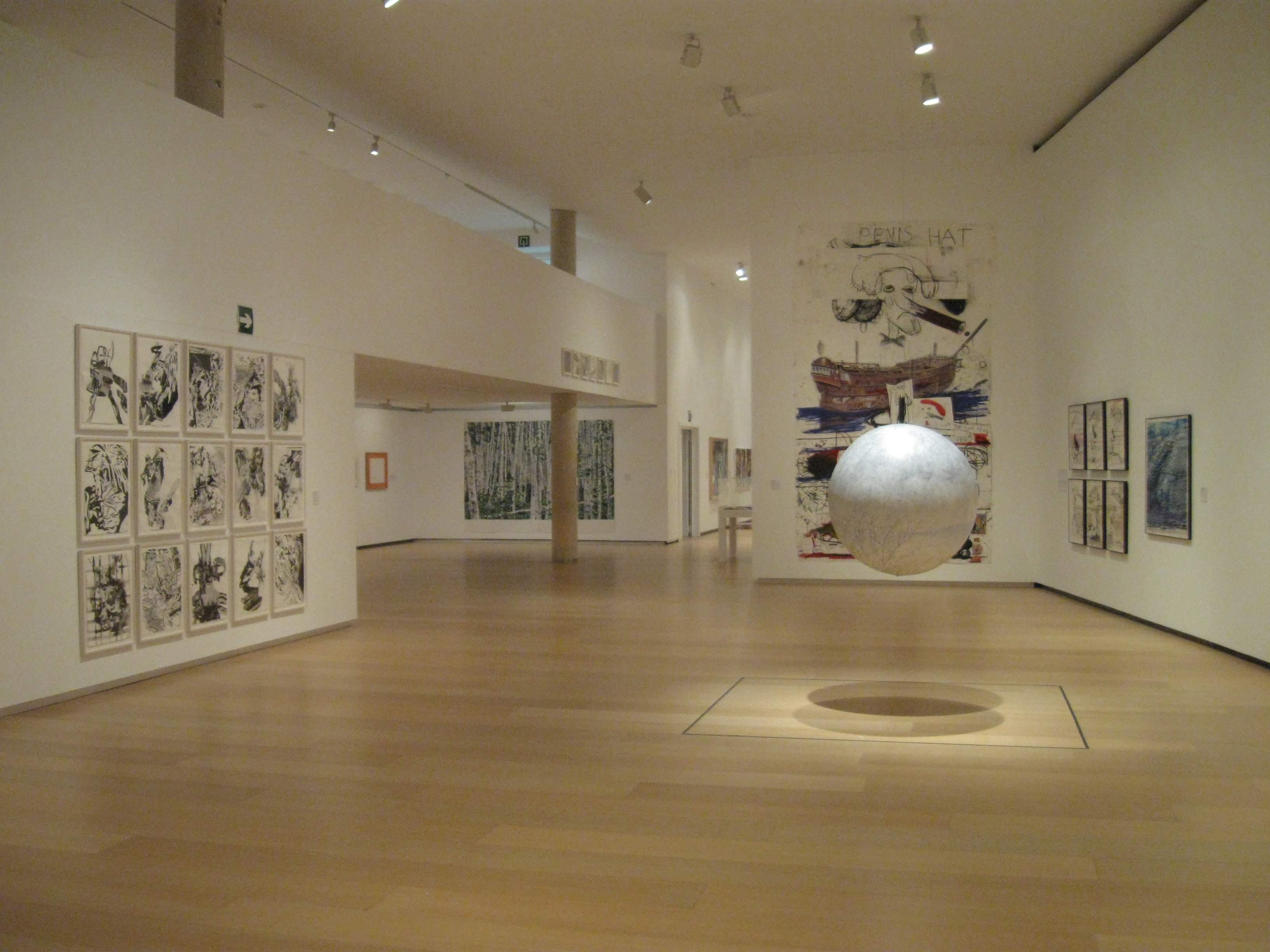
On October 28 the exhibition Compass in Hand: Selections from The Judith Rothschild Foundation Contemporary Drawings Collection Gift opened at the Instituto Valenciano de Arte Moderno (IVAM) in Spain. If this exhibition sounds familiar to our frequent visitors and blog subscribers, that’s hardly a coincidence—from April 21, 2009, through January 4, 2010, this exhibition was on view in MoMA’s Contemporary Galleries.
Posts in ‘Artists’
MoMA Abroad: Compass in Hand Travels to Valencia
Human Pressures

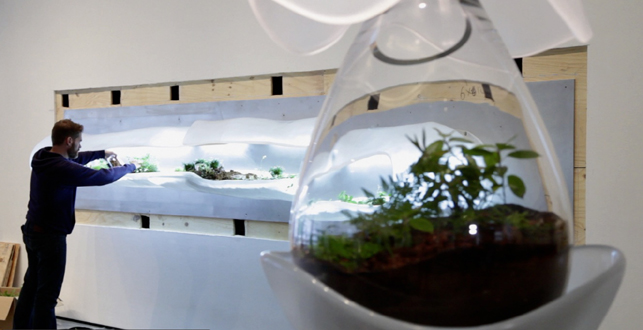
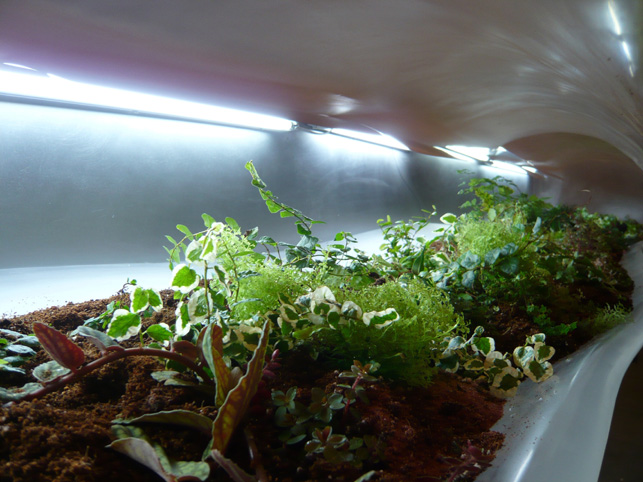
Paula Hayes's assistant, John Gray, installs the plantings for the installation Nocturne of the Limax maximus
When Hermes and Aphrodite had a son, Hermaphroditus, who was fused with a nymph, Salmacis, the resulting person possessed the physical traits of both male and female—hence the term “hermaphrodite,” used in biology as a description of similarly dual reproductive traits in both plants and animals.
Living and Growing at MoMA: Paula Hayes’s Installation in the Museum Lobby
MoMA’s lobby is a site of perpetual flux and frenzy, a public passageway for people to meet, greet, rest, or chat before embarking on their next experience, either inside or outside the Museum’s walls. When asked by Ann Temkin, The Marie-Josée and Henry Kravis Chief Curator of Painting and Sculpture, to think of forms that would visually complement and invigorate the rectangular and column-filled lobby space, Paula Hayes, a New York-based sculptor and landscape designer, who enjoys “knocking something off kilter a bit,” was ready to take up the challenge.
Edward Steichen Archive: The 55th Anniversary of The Family of Man

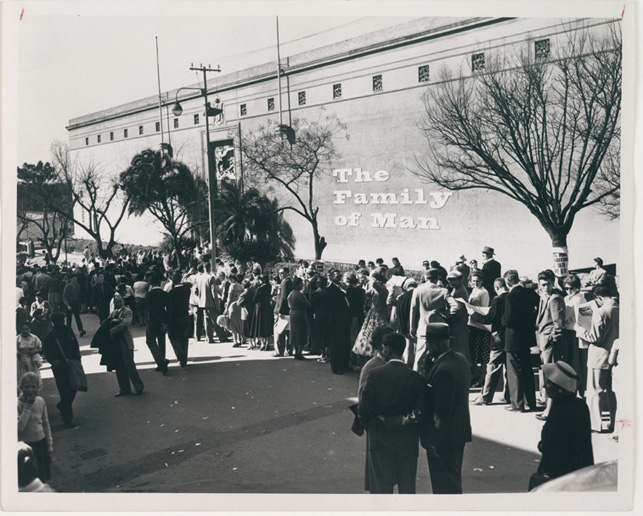
Visitors await entry to The Family of Man, an exhibition organized by The Museum of Modern Art, at the Government Pavilion, Johannesburg, Union of South Africa (on view August 30–September 13, 1958). From The International Council/International Program Exhibition Records. Image courtesy The Museum of Modern Art
This year marked the 55th anniversary of the opening of MoMA’s photography exhibition The Family of Man, a show that was groundbreaking in its extent—503 images by 273 photographers originating in 69 countries—its physical design, and the numbers of people who experienced it.
Transporting Nature
Joseph Paxton (1803–1865, head gardener at Chatsworth House, the Duke of Devonshire’s large country estate in Derbyshire, England, was also the creator of the prefabricated cast-iron-and-glass Crystal Palace, which was originally erected in London’s Hyde Park to contain the Great Exhibition of 1851, a showcase of the technological wonders of the industrial revolution.
Alex Prager in New Photography 2010
Taking her cues from the films of Alfred Hitchcock, David Lynch, and Douglas Sirk, as well as from the staged photographs of Cindy Sherman and Guy Bourdin, Alex Prager’s pictures focus on cinematic images and mise-en-scène. Sharing personal anecdotes about her life and work, Prager tells us in the video interview above how she came to take her first photographs and make her debut film Despair (2010), which has its U.S. premiere in the New Photography 2010 exhibition.
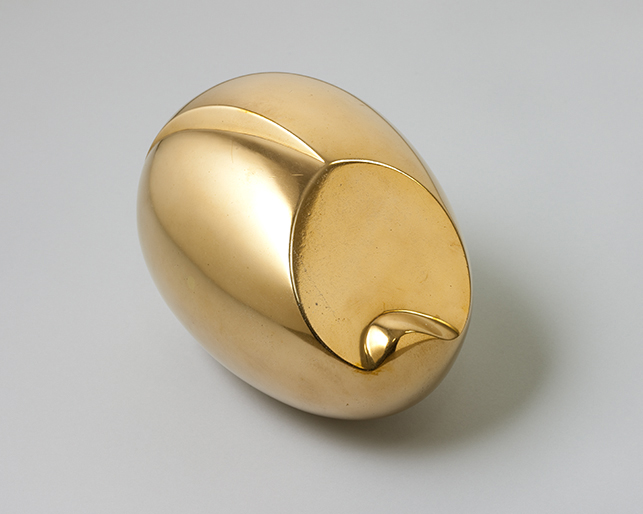
From the Imaging Studio: Reflections on Brancusi’s Newborn
Take a look at this sleek, smooth sculpture by Constantin Brancusi—a shimmering ovoid form seemingly floating in space. Would it ever strike you as one of the most difficult objects in our collection to photograph? Well, it is!
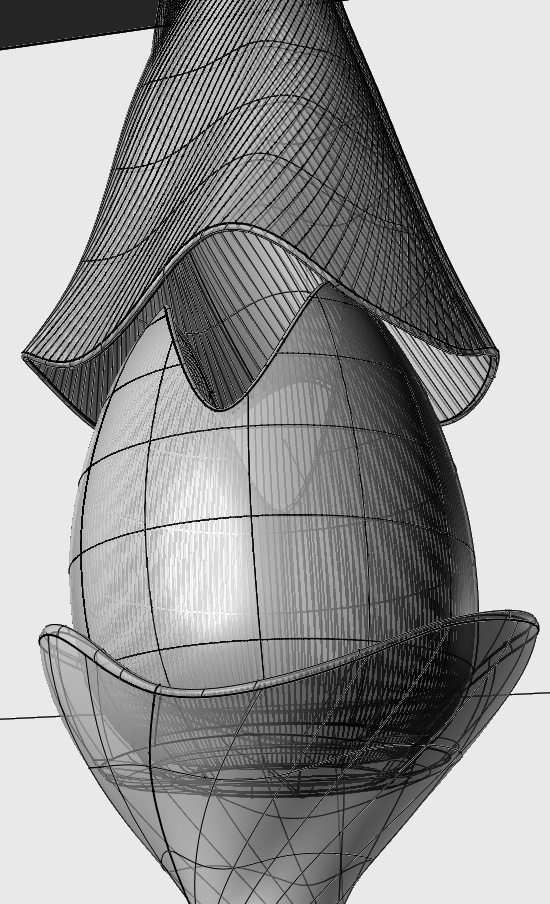
Life in a Bubble
Working with glassblowers is an interesting process for me because there are technical drawings that communicate the eventual use of the vessel (what size, where is the opening, what are the relationships of the opening to volume in general, aesthetic ideals, etc.), and then there is, for me, a gestural kind of communication—a type of mime: I draw the shape with my entire body through gesture while standing with the glassblower.
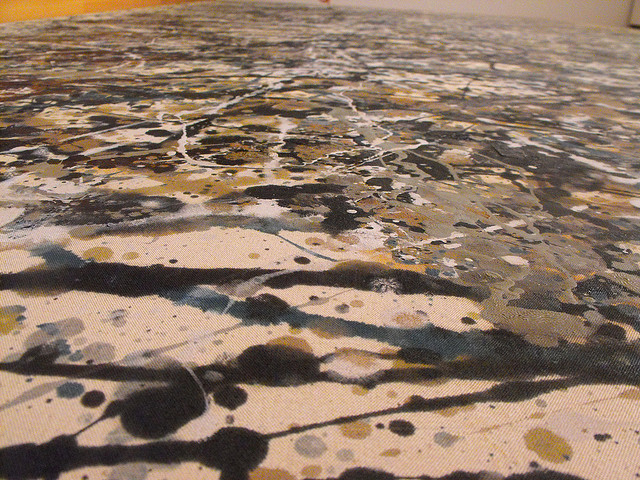
Jackson Pollock Asks: “Is This a Painting?”

Jackson Pollock. One: Number 31, 1950. 1950. Oil and enamel paint on canvas, 8' 10" x 17' 5 5/8" (269.5 x 530.8 cm). The Museum of Modern Art. Sidney and Harriet Janis Collection Fund (by exchange). © 2010 The Pollock-Krasner Foundation/Artists Rights Society (ARS), New York. Photo: Pollock at MoMA, uploaded to Flickr on Feburary 11, 2009: http://www.flickr.com/photos/plathfan/3271119503/
In one of the videos we produced for the current Abstract Expressionist New York exhibition, Ann Temkin, Chief Curator of MoMA’s Department of Painting and Sculpture and the organizer of the exhibition, tells this story about Jackson Pollock:
At Home with Zarina

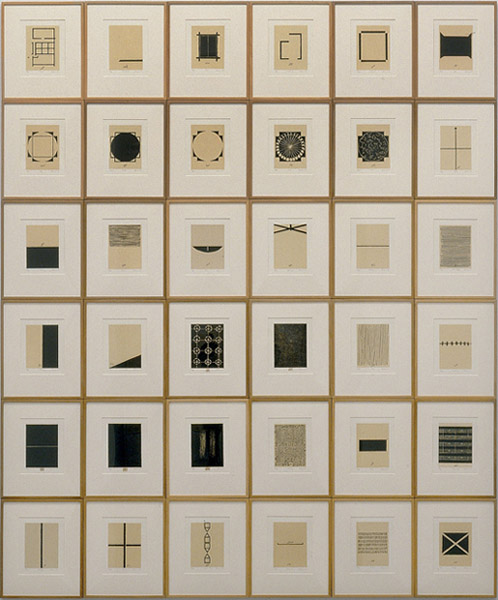
Zarina. Home Is a Foreign Place. 1999. Portfolio of 36 woodcuts and letterpress, mounted on paper. Publisher: the artist, New York. Printer: the artist, New York. Edition: 25. The Museum of Modern Art.
My exposure to architecture can be partially summarized in this way: 1) As a child, my dad, who was once an architect, guided me through drafts of his blueprints; 2) In school, I took a few art history classes that focused on architecture, from the cathedrals of the medieval period to the designs by Frank Lloyd Wright, all of which included copious slides of floor plans; and 3) I live in New York City, where trying to avoid charming Manhattan brownstones, landmark monuments, and skyscrapers-in-development is just downright impossible. But I never considered how any of these experiences relate to my perception of my everyday surroundings until this past summer, when I was reminded of Zarina’s Home Is a Foreign Place (1999) while exploring MoMA’s recent exhibition Mind and Matter: Alternative Abstractions, 1940s to Now.

If you are interested in reproducing images from The Museum of Modern Art web site, please visit the Image Permissions page (www.moma.org/permissions). For additional information about using content from MoMA.org, please visit About this Site (www.moma.org/site).
© Copyright 2016 The Museum of Modern Art