 |
|
Fame After Photography lets visitors gain a perspective on how, since 1839, fame has been driven and transformed by photography. Are we desperate to elevate the importance of celebrities in our lives because, as some psychologists believe, so many of the institutions that give purpose to our lives--the family, education, and religion--are in flux? We are no more addicted to pictures of the famous than people were in the nineteenth century, but because of their stimulating and often oppressive presence in the visual culture we live in, there's no relief from fame. Fame After Photography raises the questions that resound in our heads each time we sneak a peek at the latest cover story about Diana, Monica, or the celebrity of the moment: Why do photographic images of the famous continue to have such a powerful impact on their audiences? How has the boundary shifted between what was once considered private and what is public? What fascinates us so much about the portraits of the famous that are replaced so speedily that there's little time to reflect on their meaning? Given that we learn from our own experiences of being photographed, what do we register when we look at images of the famous and celebrated with a knowing eye? Finally, in a culture that demands that photographic images be constantly restyled and refreshed, how long can fame of any kind possibly last?
  |
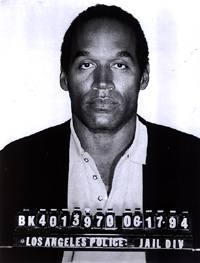
| Los Angeles Police Department. O. J. Simpson. June 17, 1994. Postcard, half-tone reproduction, 5 3/8 x 3 1/2". Private collection select image for enlarged view |