Artist, Jaune Quick-to-See Smith: My aim is always making a teaching moment from something that I feel we don’t learn in school.
Learning Specialist, Marco Hermosillo-McCune: That voice you just heard belongs to the artist Jaune Quick-to-See Smith.
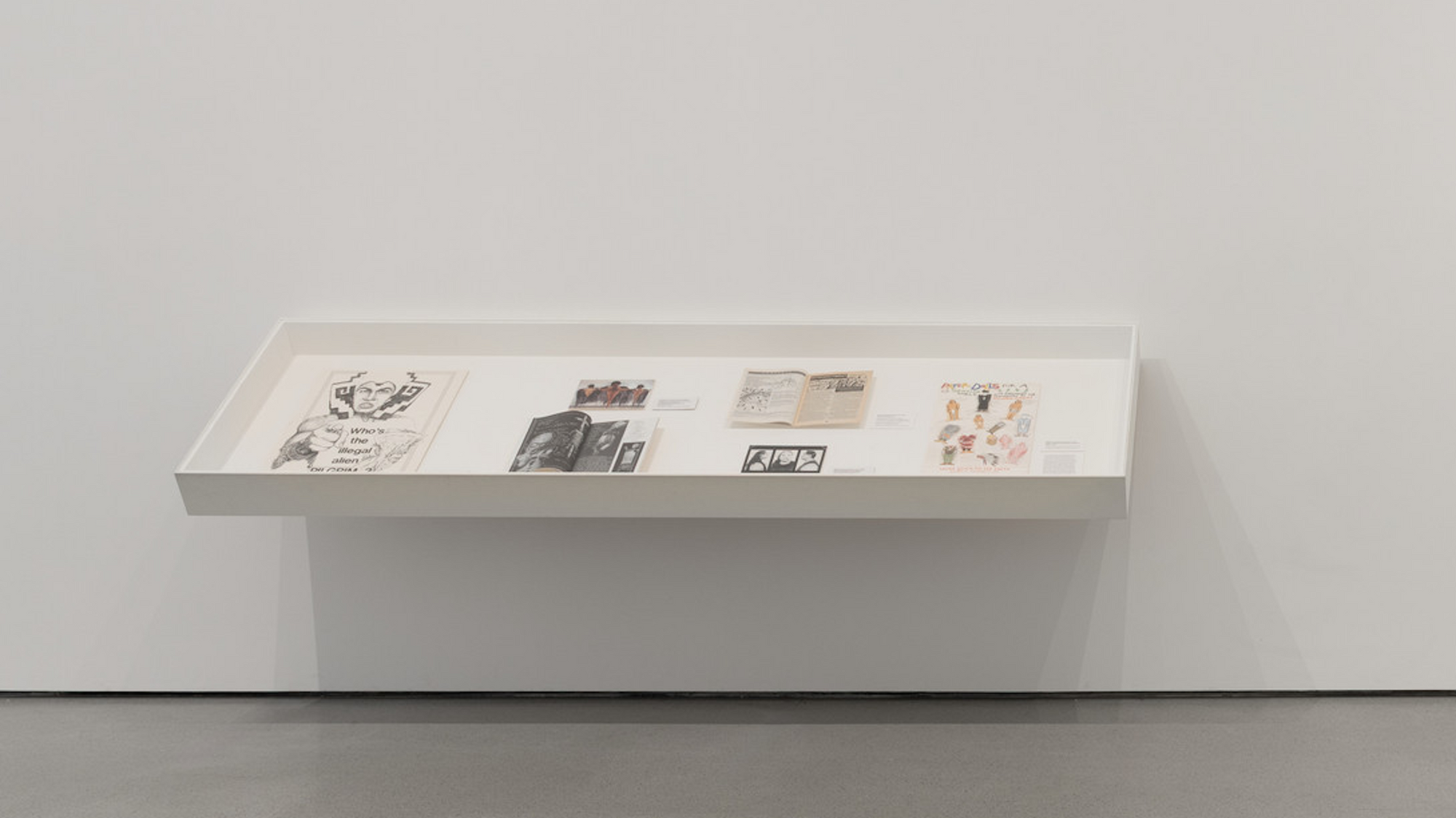
Jaune Quick-to-See Smith: The title of this work is Paper Dolls for a Post-Columbian World (With Ensembles Contributed by the U.S. Government). This story that I’ve woven together is a true story. These paper dolls represent this overview of the genocide of Native people.
Barbie Plenty Horses, and Ken are the paper dolls that were making fun of Barbie, a pop icon, living a good life in America, something that was out of reach for those of us who were at the poverty line.
People are shocked when they see the smallpox suits, and then hear that they sent blankets smeared with smallpox upriver to our tribes.
Everybody in my family were taken by the military to go to a boarding school. After all this indoctrination, they would send us into town to work as slaves for white people. You’ll see for the woman, she has a maid’s uniform. For the man, he has to work in the orchards.
Marco Hermosillo-McCune: When Quick-to-See Smith made this work, the United States was preparing to celebrate the 500th anniversary of Christopher Columbus's arrival in the Americas in 1492.
Jaune Quick-to-See Smith: This whole big propaganda machine in America was making up a new story. Shows around the country were celebrating whiteness everywhere. Textbooks in school talk about the meetings between Native people and the Europeans in a friendly way. It’s not truthful in any means.
It’s important for me to say we’re still here, we’re alive, and we have something to say, too.