Curator, Lanka Tattersall: What is it like to have a body? How do you feel in your body? What is it like to move through the world in your body? These are questions that I think artists have been thinking about for hundreds of years—especially in the 20th century, which is the time period that we’ll be looking at today in this exhibition.
I’m Lanka Tattersall. I’m the curator of Vital Signs: Artists and the Body.
The 20th century was a time in which there were real transformations in how people understood what the body was, what its biology meant, how we relate to each other in terms of our own bodily identities. This is an exhibition in which you’re invited to think about both your physical body but also your body as a social entity.
Curatorial Assistant, Margarita Lizcano Hernandez: My name is Margarita Lizcano Hernandez. I’m a curatorial assistant at MoMA.
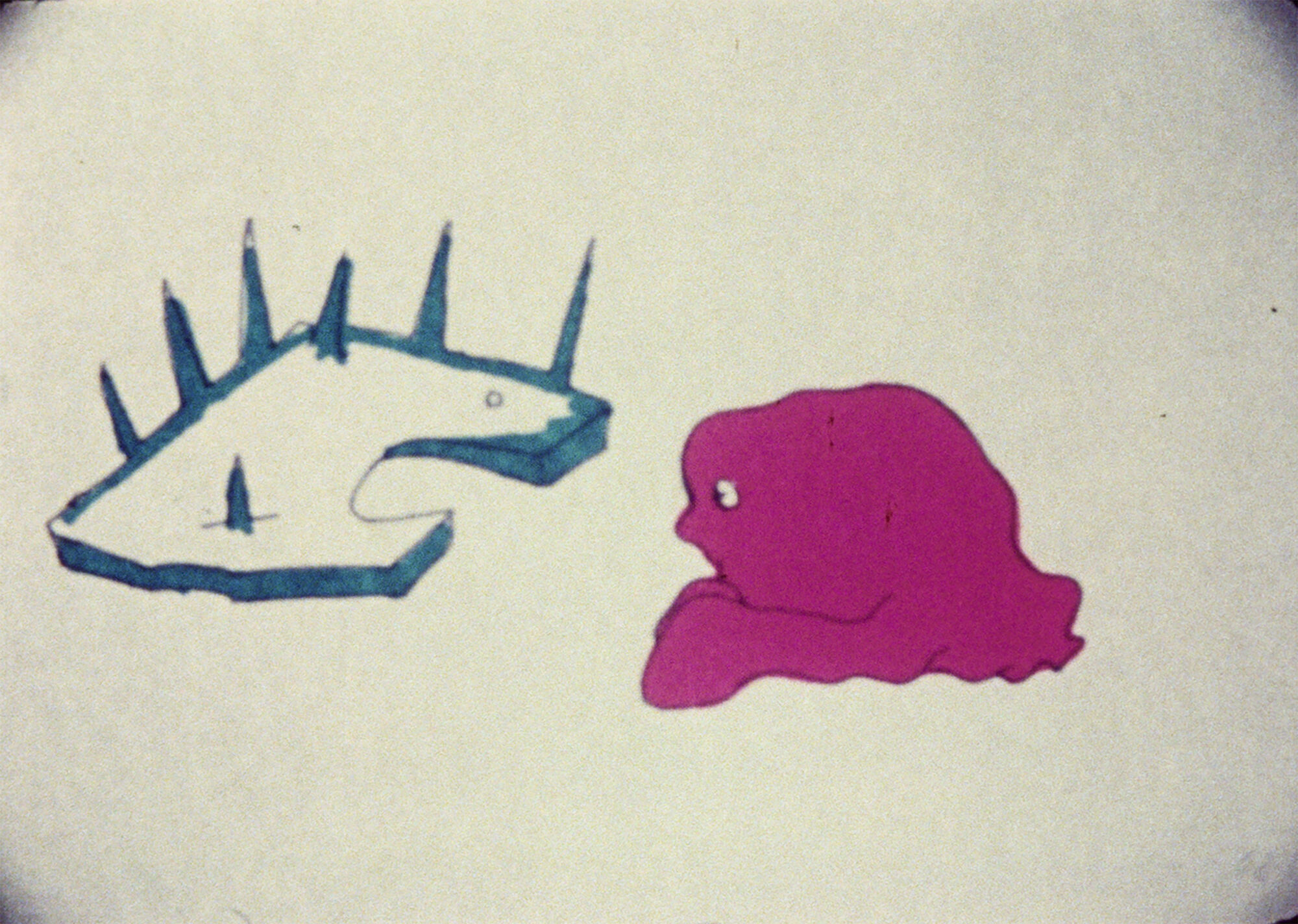
Sometimes the human body is represented in detail, but then you also have works in the exhibition that seem completely abstract, and I think abstraction allows for artists to ask different questions.
Lanka Tattersall: Yeah, this idea of loosening up a relationship to the real world is just an incredible experimental space. Abstraction is a way to take apart the way we think the world looks and maybe put it back in a new way. Abstraction means not assuming we understand everything about the world but that there is a space for real questioning and unknowing.