Artist, Stefen Chow: I'm Stefen Chow.
Artist, Huiyi Lin: And I'm Huiyi Lin.
Stefen Chow: We are an artist duo, husband and wife. You're looking at part of the project that is called The Poverty Line. We wanted to examine a question that always lingers in our mind: what does poverty mean?
Lin has a background in economics. I have a background in photography. So we combined both our skill sets to explore this topic over 10 years, covering 36 countries examining food choices.
Huiyi Lin: In public policy there is actually a definition that is set as the poverty line, usually by the government of a country. I will do the research beforehand and then give Stefen the figure, which is how much is it per person per day as a food budget for someone living at the poverty line of a country. He will use that figure, go to the supermarkets, usually with somebody local, choose food items.
Stefen Chow: When we started going around the world we were expecting to find local foods that were specific to a country. What instead we found is things that are very global.
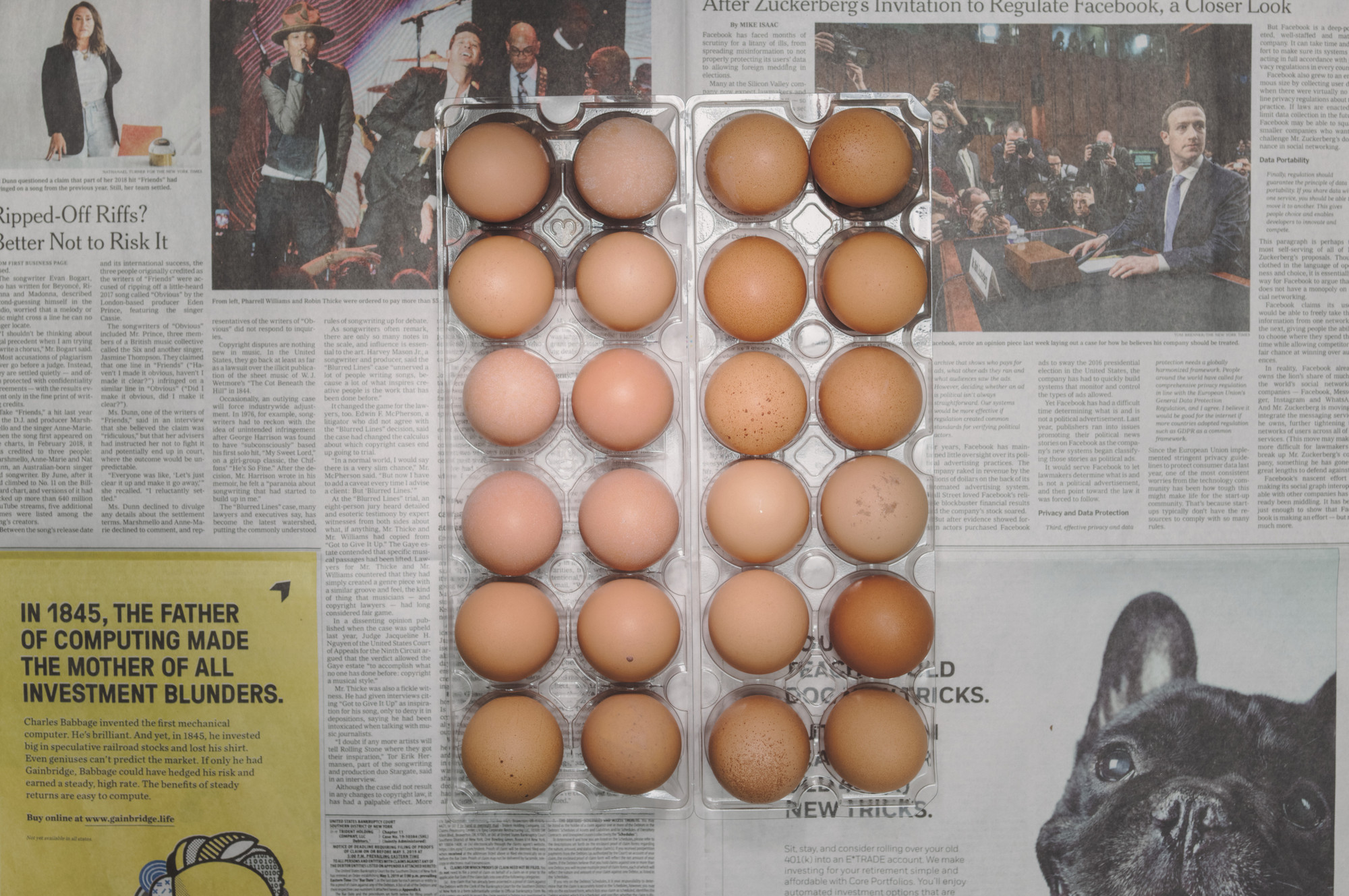
Huiyi Lin: That has opened up our eyes as to how connected we are through very common food items like eggs, like tomatoes. That allows us to see the impact of globalization and yet also the beauty of local food cultures.
Stefen Chow: We felt we were trying to answer that simple question of what poverty means, but then we realized that this project means something very different when it was placed in geographies around the world where people had different experiences about poverty, about food security.
Huiyi Lin: Food, which is a basic necessity, is also how we connect with the world around us. And that daily need for food, without which we wouldn't be able to continue physically, has also become a daily pleasure. It is a basic human right.