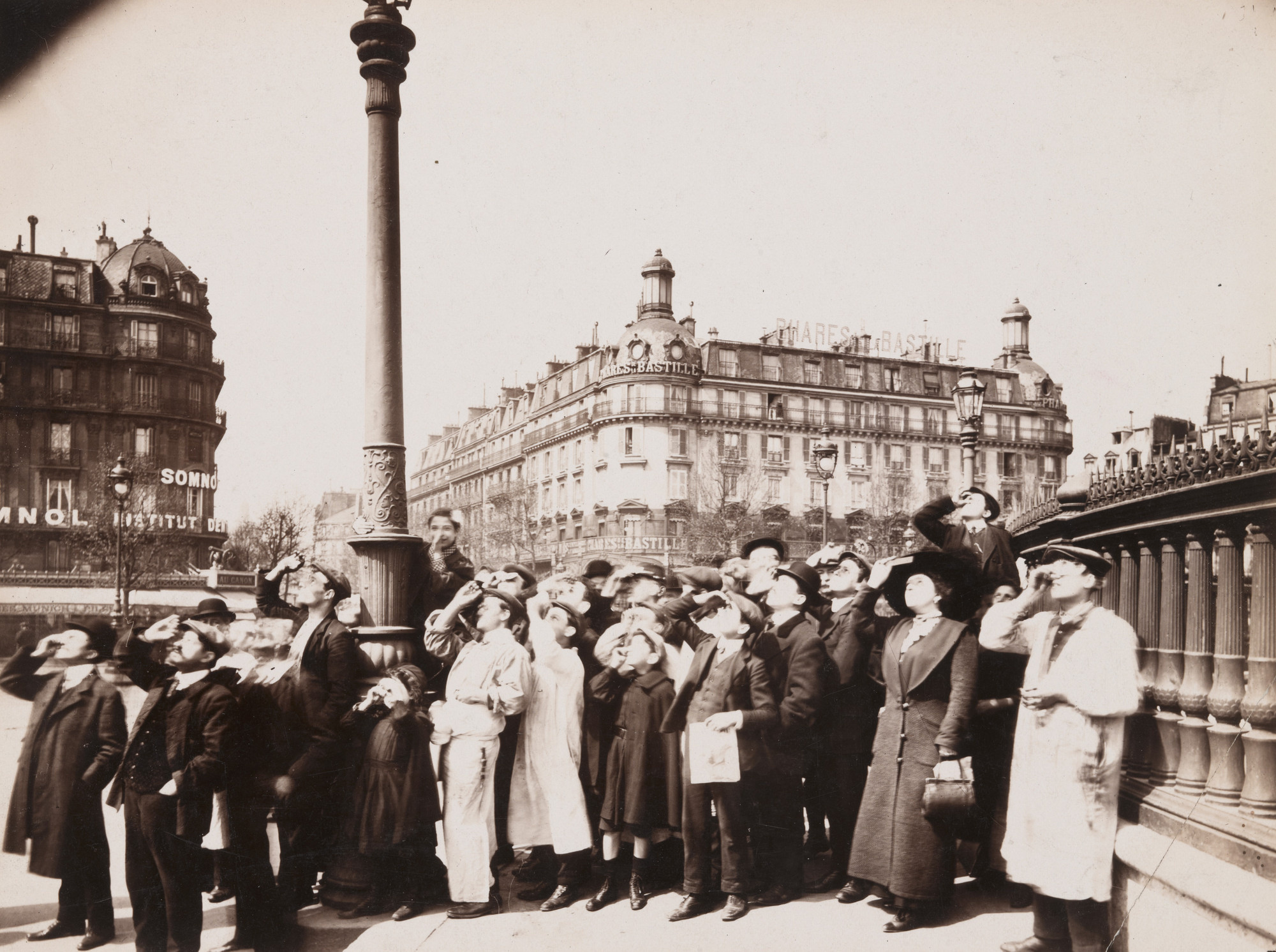
Curator, Caitlin Ryan: Photography always fascinated the Surrealists.
I am Caitlin Ryan, and I am an Assistant Curator in the Department of Photography.
Surrealism was a movement that emerged in the 1920s, in response to the devastations of World War I. And it was informed by the idea that the unconscious could tell us things about reality that were not on the surface. In terms of the way that it looks, there is no stylistic unity. What unites surrealism is the various strategies that surrealists use. It's all about disrupting expectations—both of art, but also of social norms.
This gallery is using photography as a way to think about all of the different lenses that surrealists used to look at the world differently. For example, the metaphor of the photograph as a mirror comes through, thinking about this as a doubling of the world, and that something is at once familiar but also unsettling. But then there's also the idea that the photograph is like a found object, that it enables you to isolate details in the world, and those can be seen in new ways.
And that makes it so relevant to our contemporary moment—this idea that we're bombarded with images. The surrealists, and everyone in the ‘20s and ‘30s, felt quite similar. They both loved it, but then also it could be quite alienating. What surrealism gives you is a kind of training for the eye to look at the world in a new way.