The history of documentary photography plays a decisive role in Mikhael Subotzky’s work. At an early age, the artist was exposed to the activist work of his uncle, Gideon Mendel, one of South Africa’s notable “struggle photographers,” and he grew up in a milieu of commitment to social democracy.
[+] more
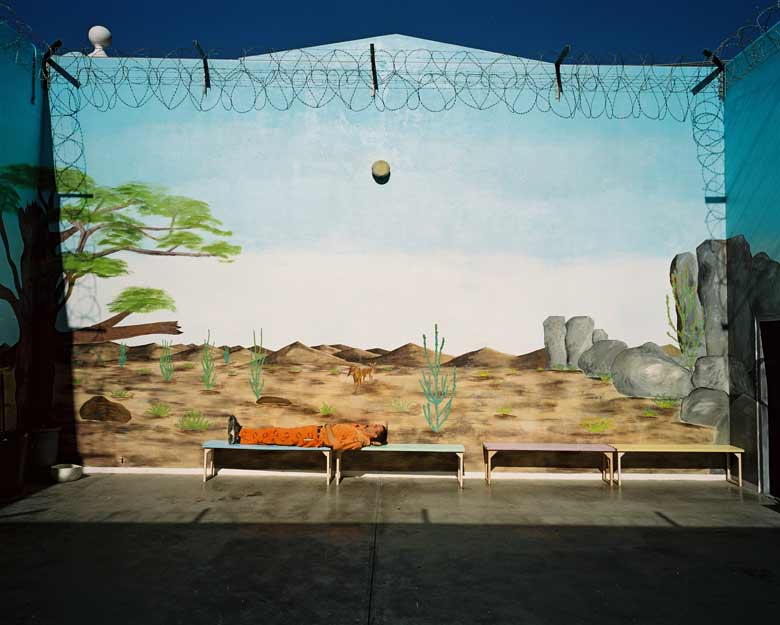
During his student years at the University of Cape Town, he was influenced by the artist David Goldblatt’s vast photographic corpus, which captures the country’s landscape and social fabric during colonialist and postapartheid eras, and the oeuvres of photographers Walker Evans and Joseph Koudelka. Subotzky’s student thesis project, completed in 2004, is a series of panoramic photographs of prisoners in the notorious Pollsmoor Maximum Security Prison, in which former South African president Nelson Mandela spent several of the twenty‑seven years of his political imprisonment. The project, titled The Four Corners (Die Vier Hoeke)—in Afrikaans slang, “the four corners” refers to the inside of a prison—was inspired by a 1999 constitutional decree that allowed prisoners to vote in South Africa’s elections. It is the artist’s first inquiry into the prison system that is a critical subject of South African history.
scroll to photos
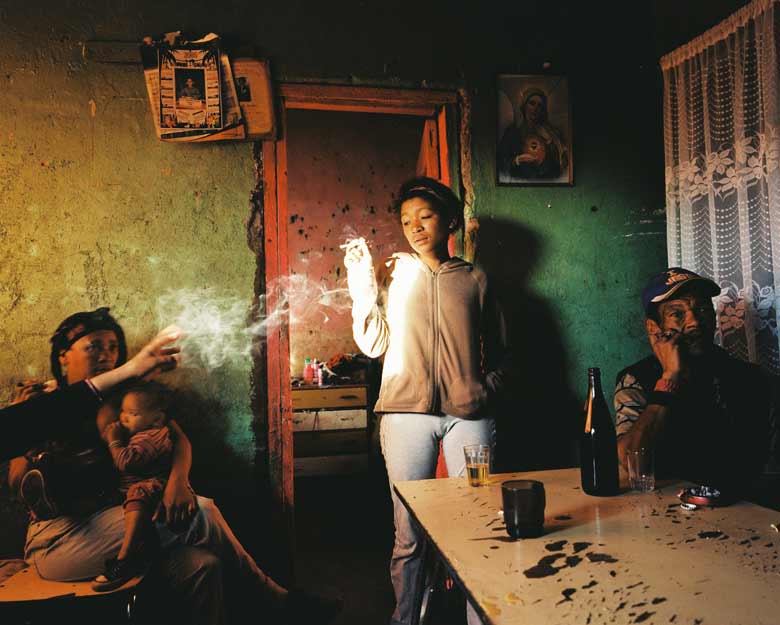
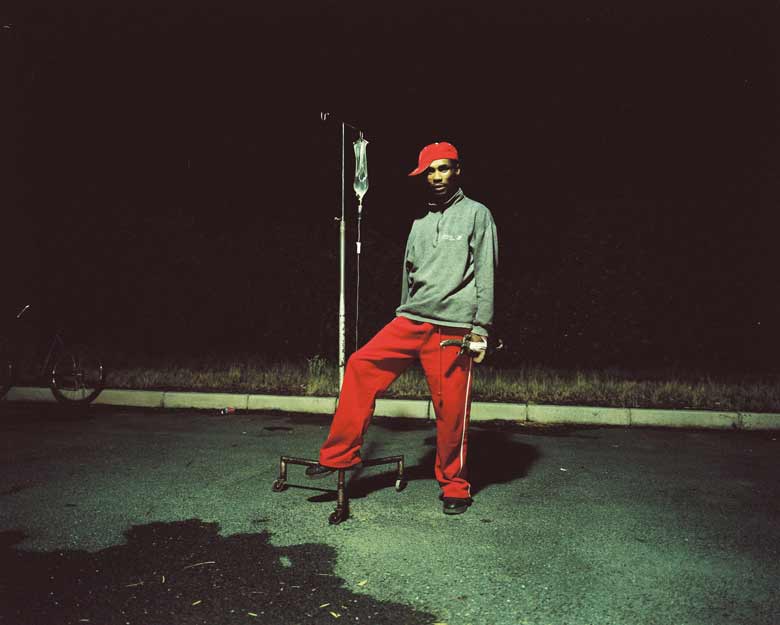
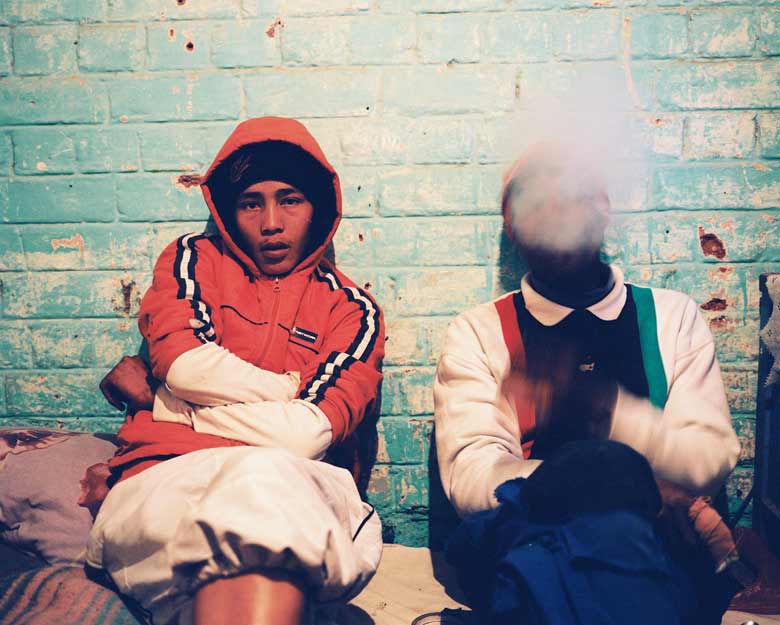
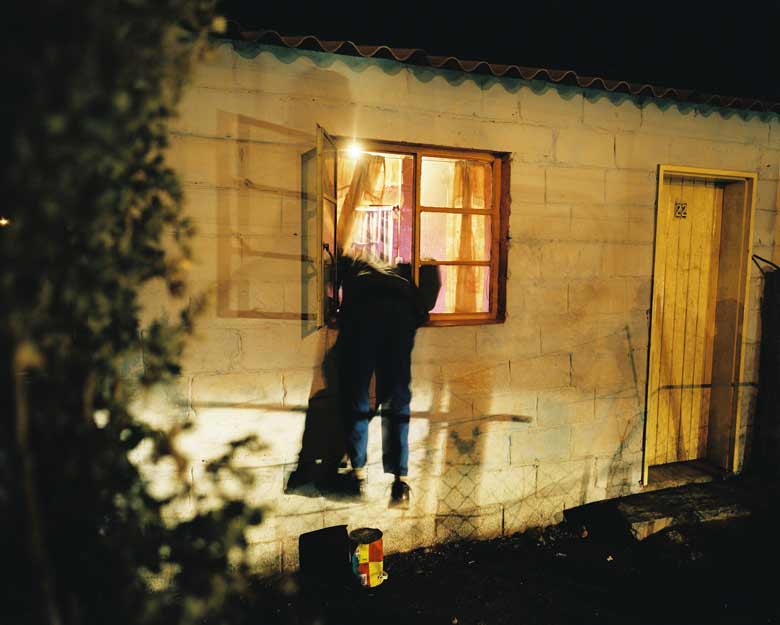
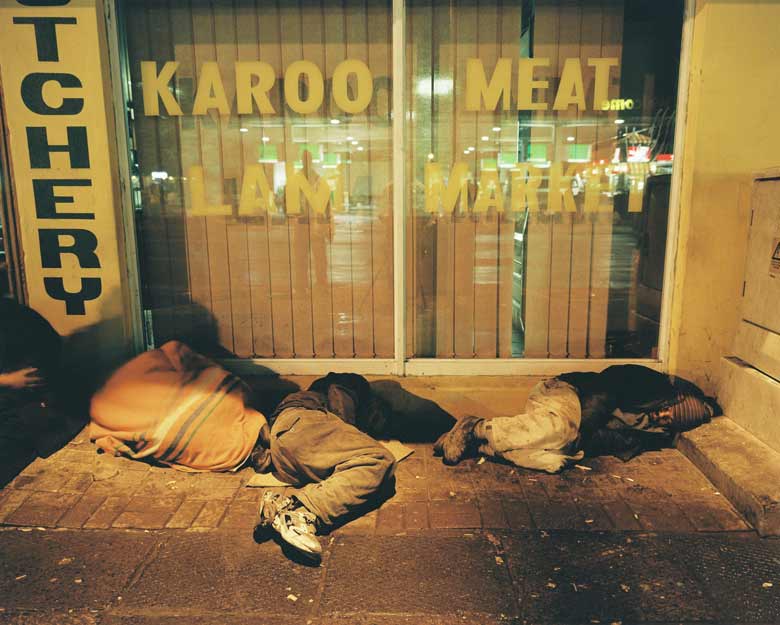
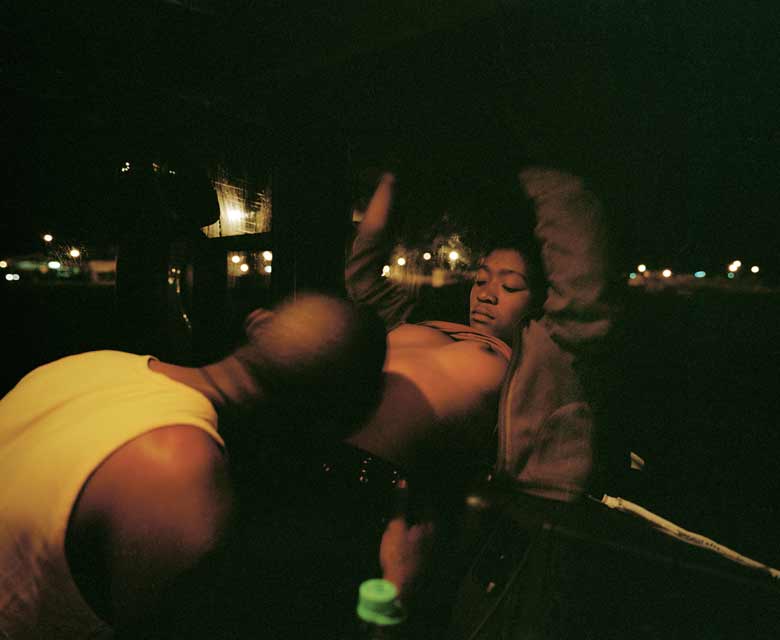
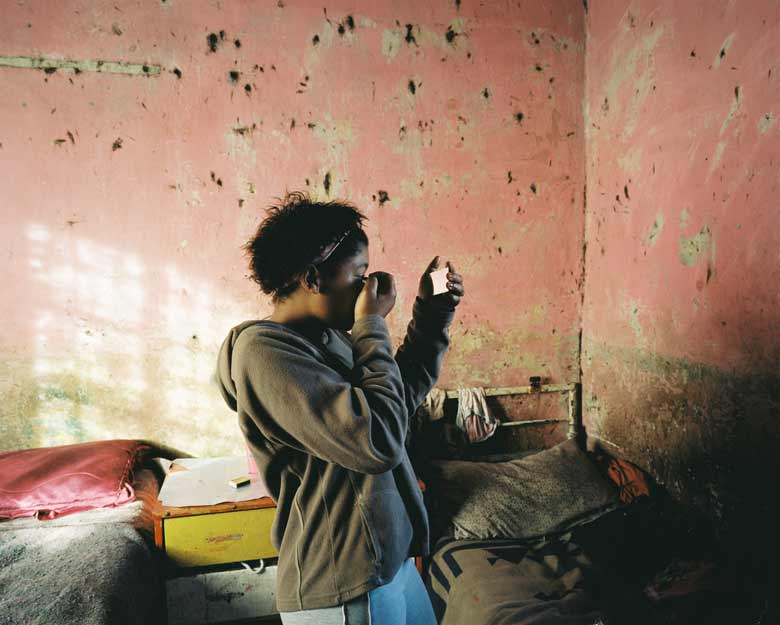
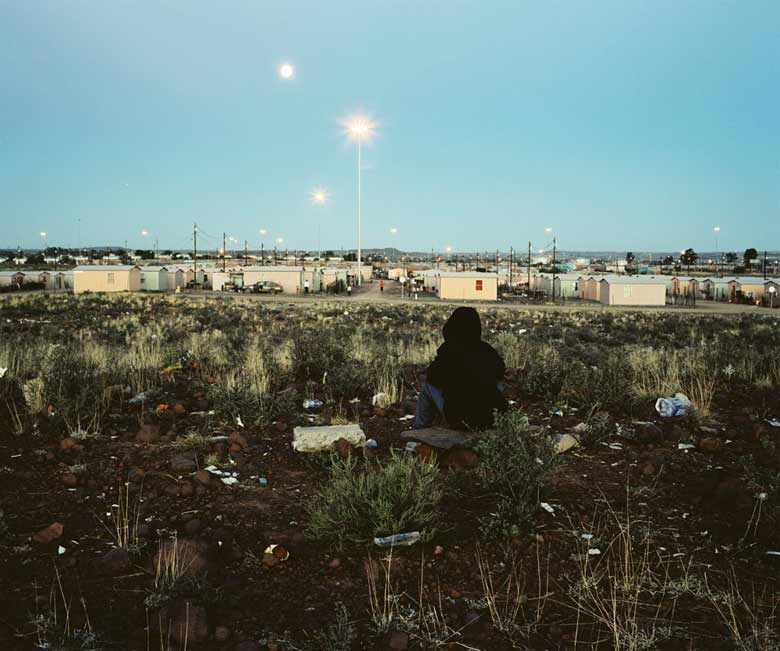
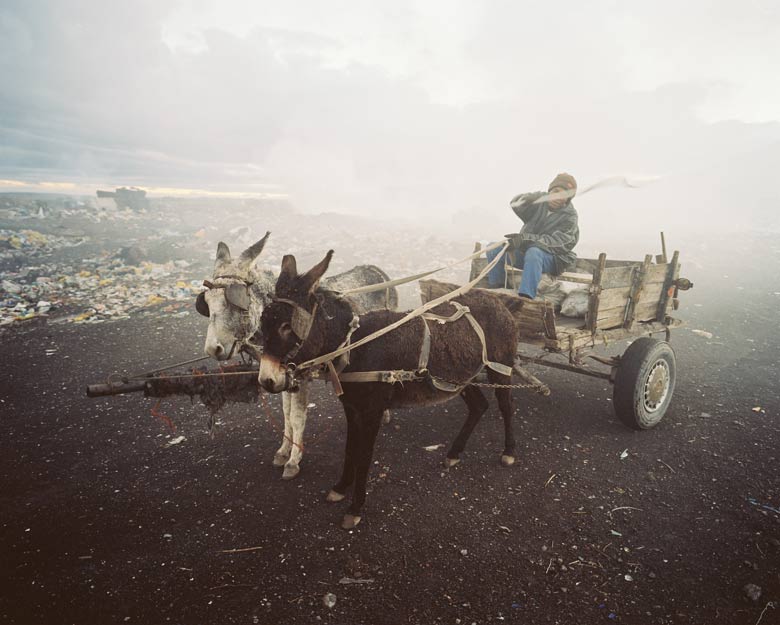
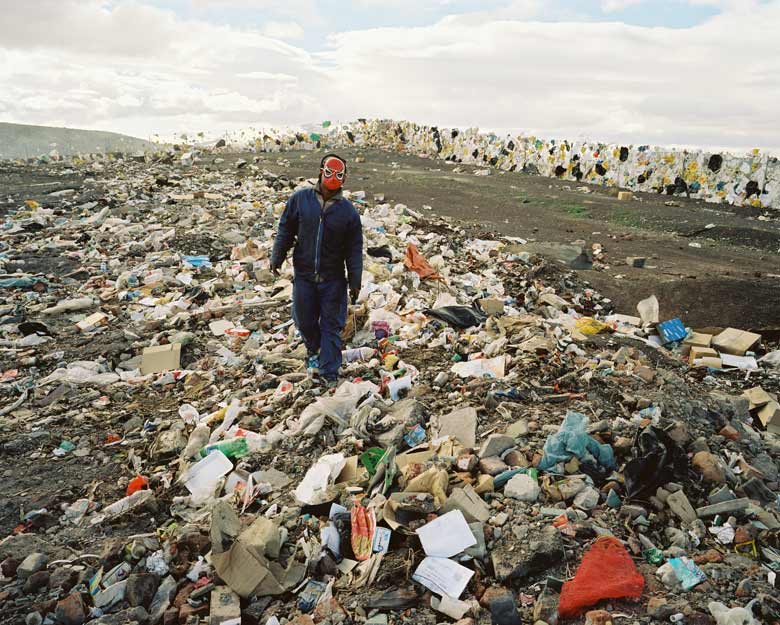
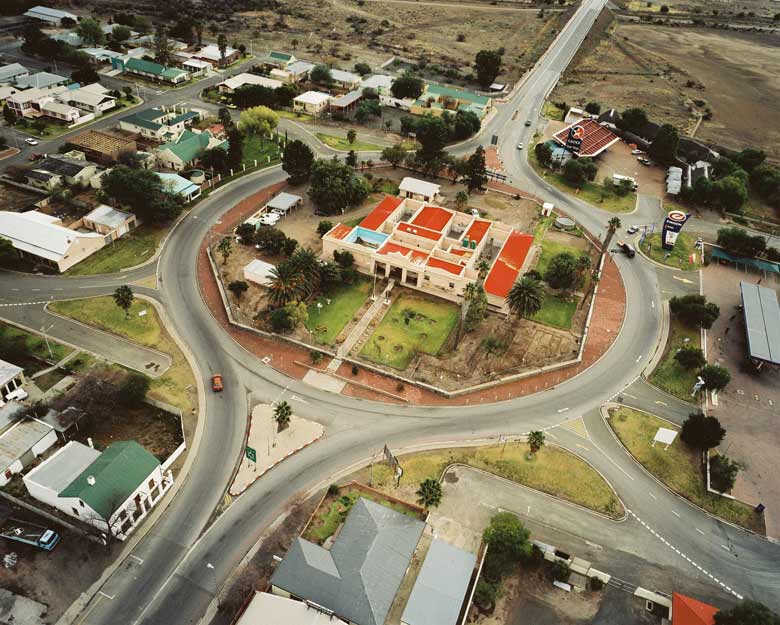
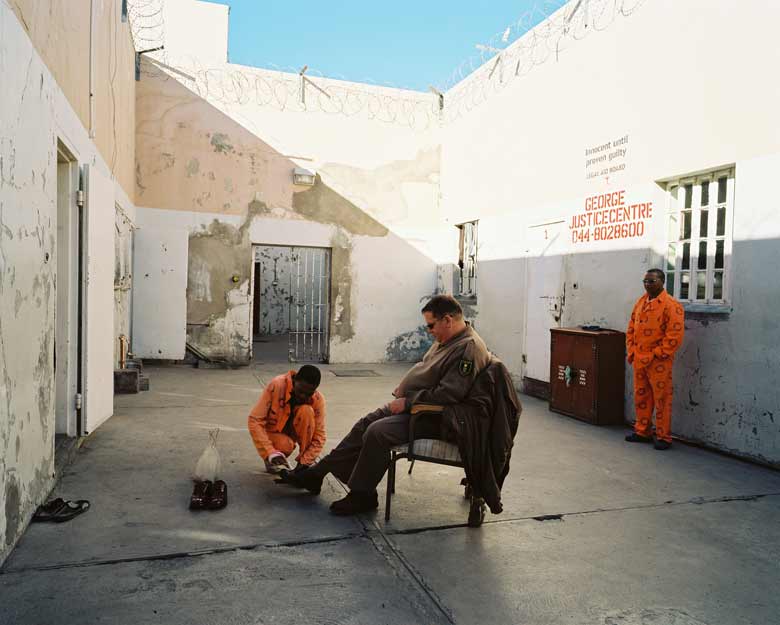
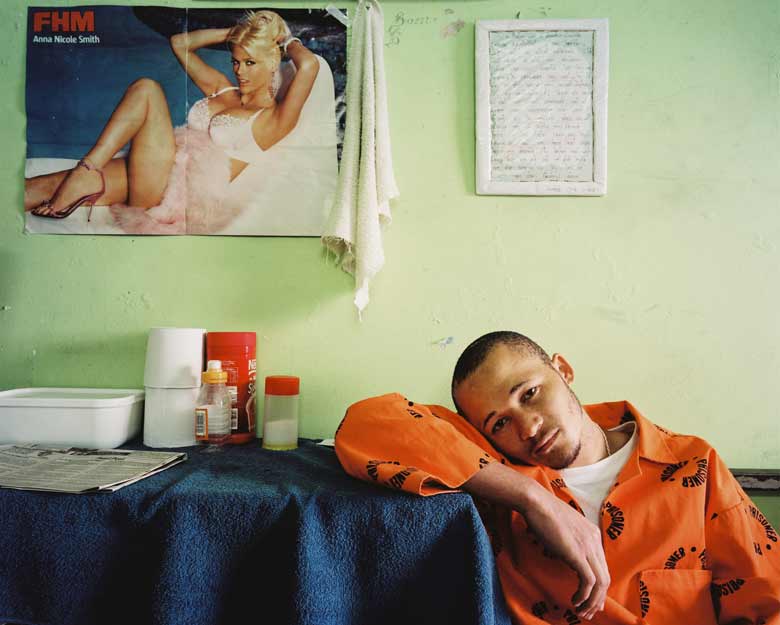
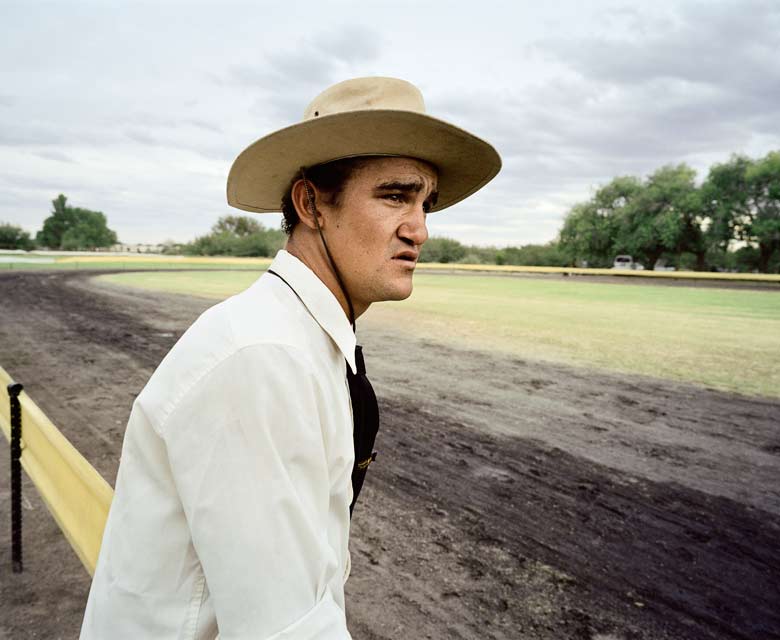
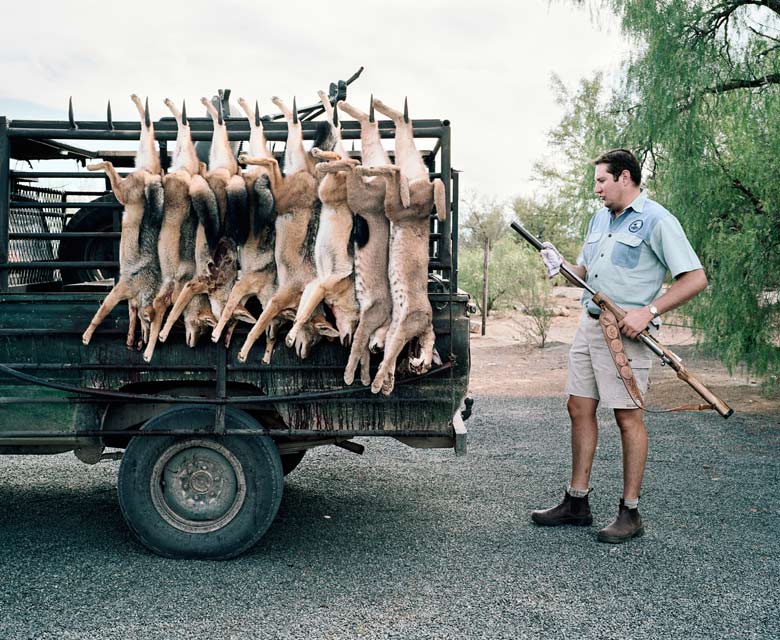
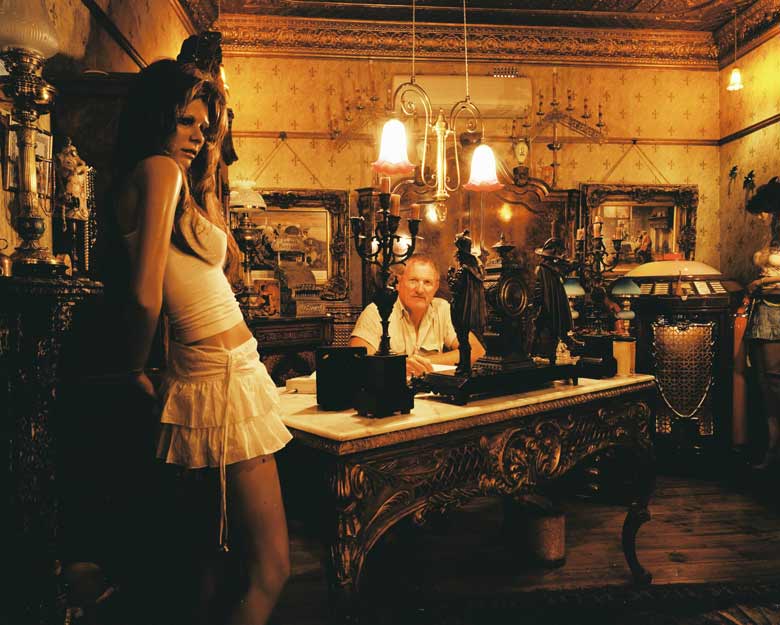
Subotzky’s most recent project, Beaufort West (2006–08), premiering in North America in this exhibition, is named after a small town in the Karoo Desert along the busy route between Cape Town and Johannesburg. The Beaufort West Prison, established in 1873, is blatantly visible in the community, oddly situated in a traffic circle in the center of town. Subotzky’s images portray life inside and outside the prison, focusing on the disparity between the city’s affluent neighborhoods and its fringes that are plagued by endemic poverty. The town’s social problems include petty theft, youth prostitution, and a very high rate of unemployment. Taken with a medium‑format camera in existing light, the pictures articulate multiple narratives: a preacher leads a prayer session in the Beaufort West Prison; a well‑dressed man attends the Agricultural Show, an annual social event for the wealthy; the residents of Vaalkoppies, Beaufort West’s garbage dump, scavenge for food; a nineteen‑year‑old sex worker is fondled by a client in his truck; members of the Ai 26s gang smoke Tik (meth‑ amphetamine); a police officer interrogates a suspect who has just been arrested. Subotzky records white domination and black dispossession without relying on politicized reportage. His scenes are at once introspective and direct, reflecting both the individual and the systemic aspects of South Africa’s colonialist legacy in the postapartheid age.
[-] less