- Quinta Monroy Housing
- 2003–05
- Iquique, Chile
- Elemental
- OverviewClose
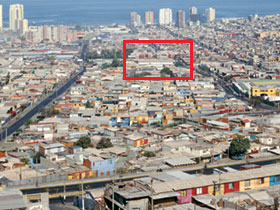
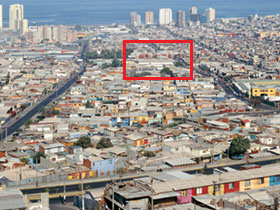
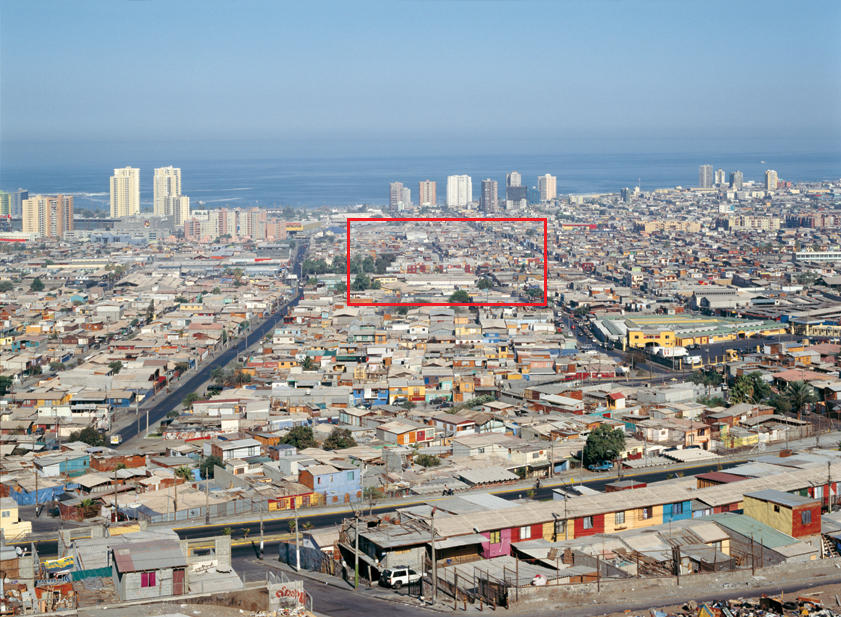
Elemental is a group of architects, engineers, social workers, and contractors led by architect Alejandro Aravena and supported by the Chilean oil company Copec and the Pontificia Universidad Católica de Chile. In 2003 the Chilean government commissioned the group to create housing for a community of nearly one hundred low-income households on a 1.25-acre site in central Iquique, a desert city in northern Chile with a population of 200,000. The budget consisted of $7,500 per unit for land, infrastructure, and building.
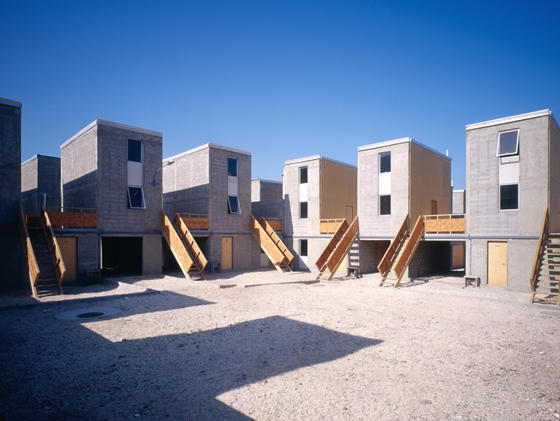
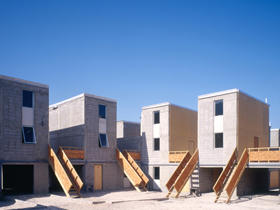
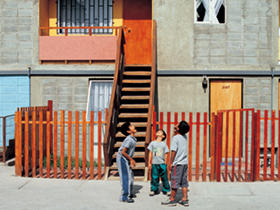
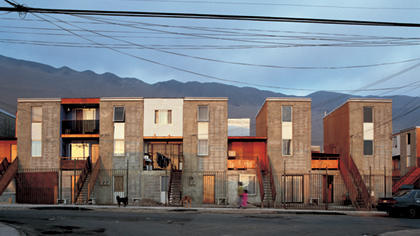
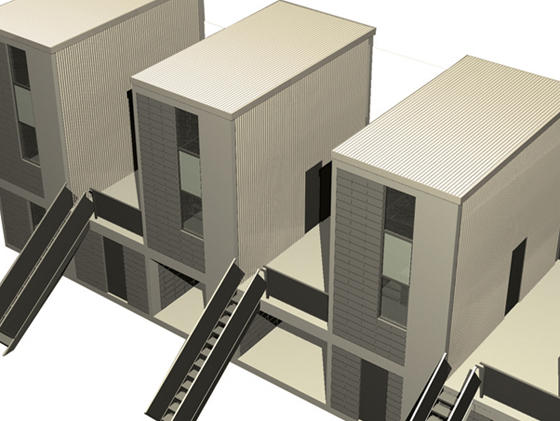
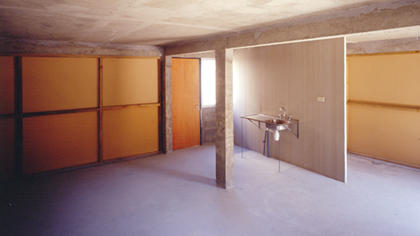
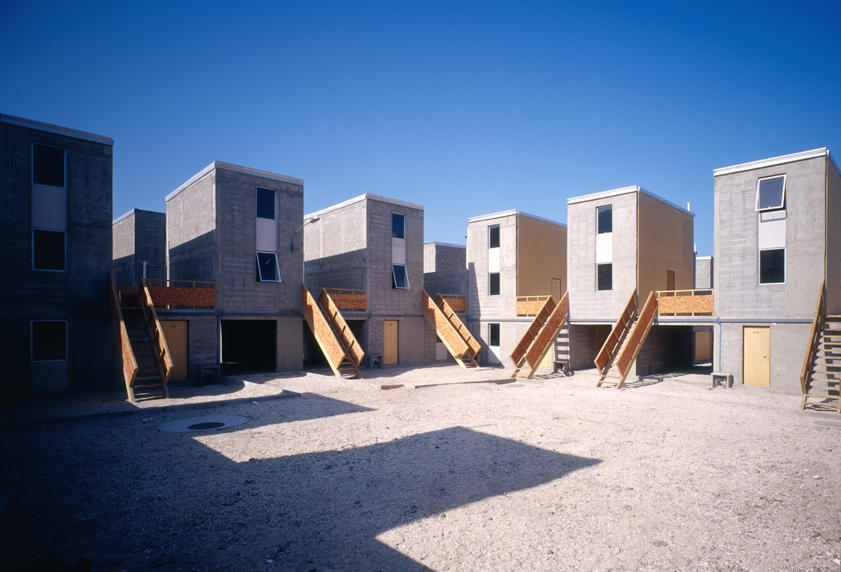
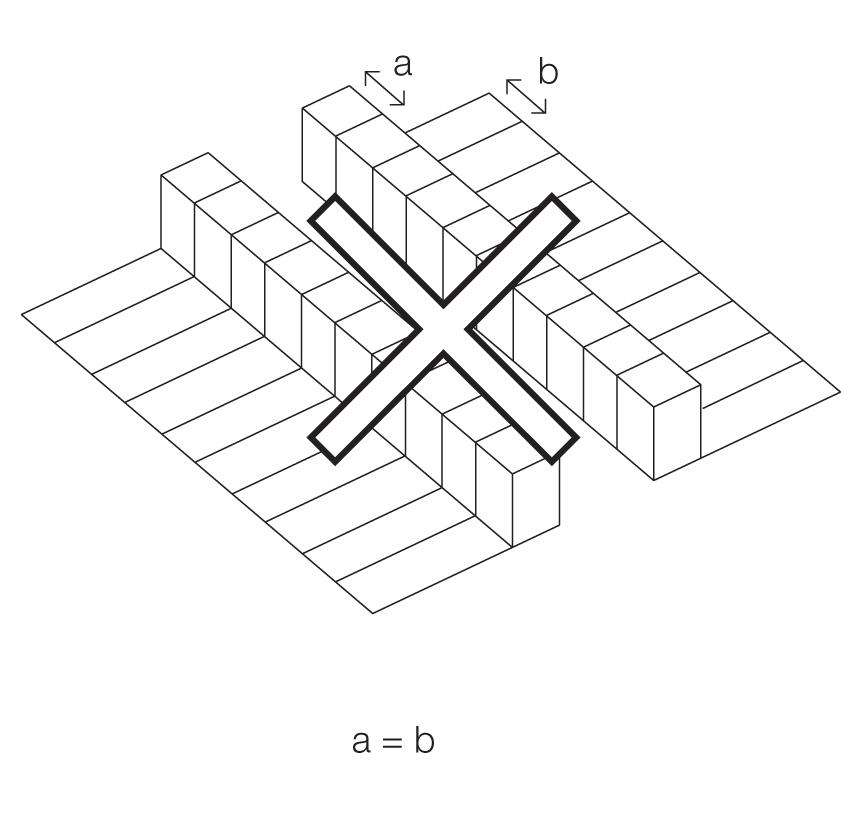
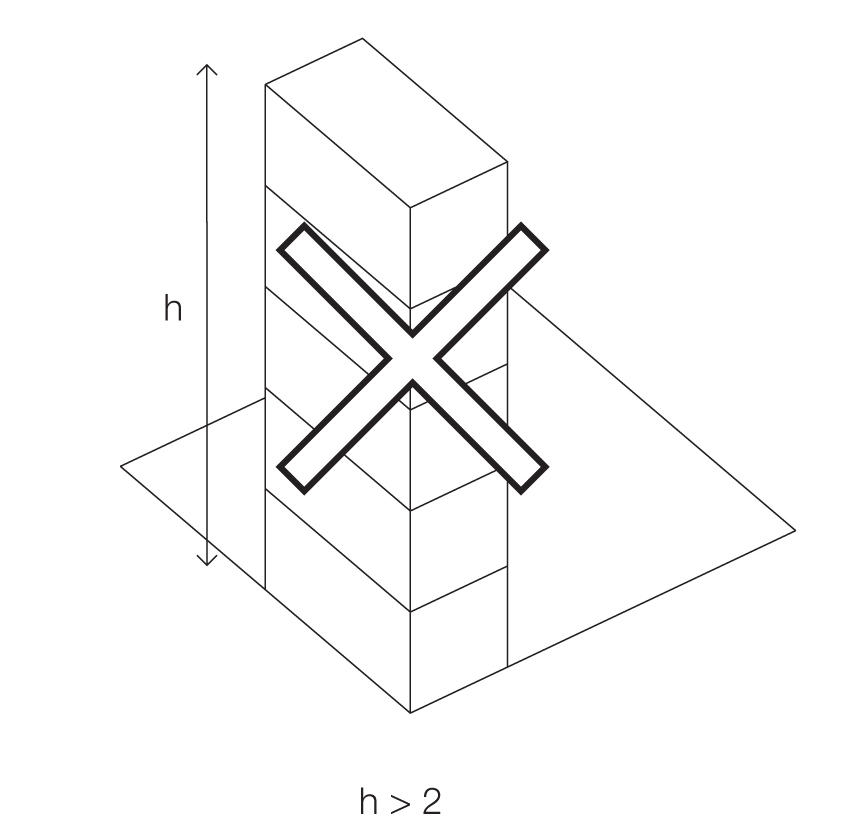
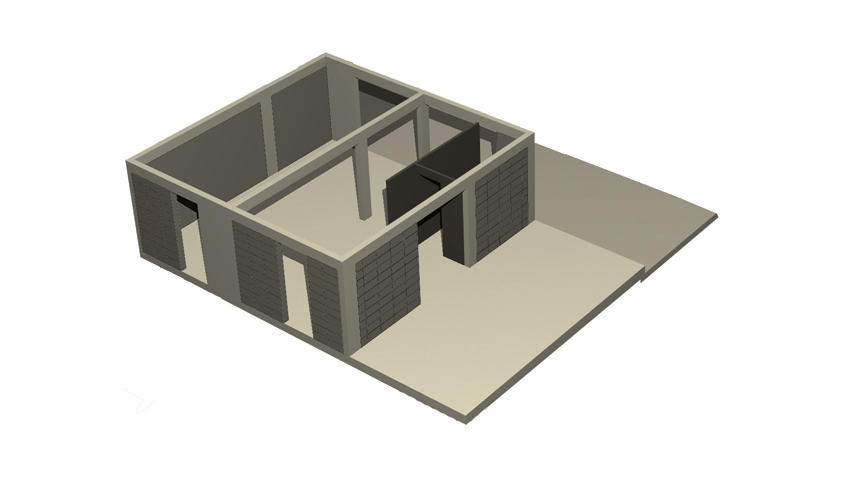
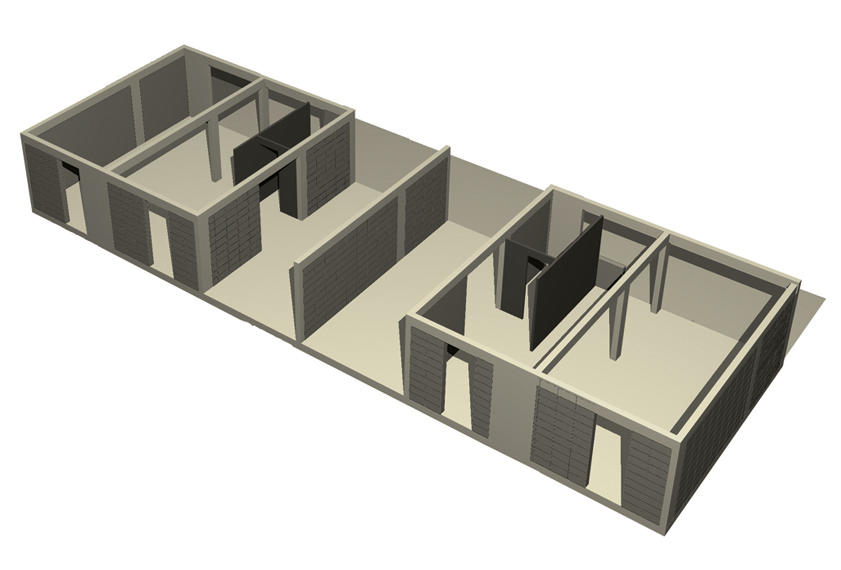
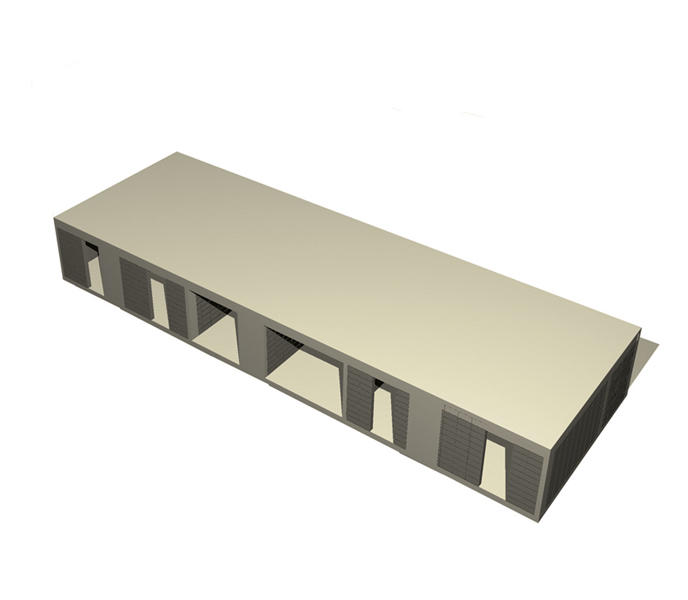
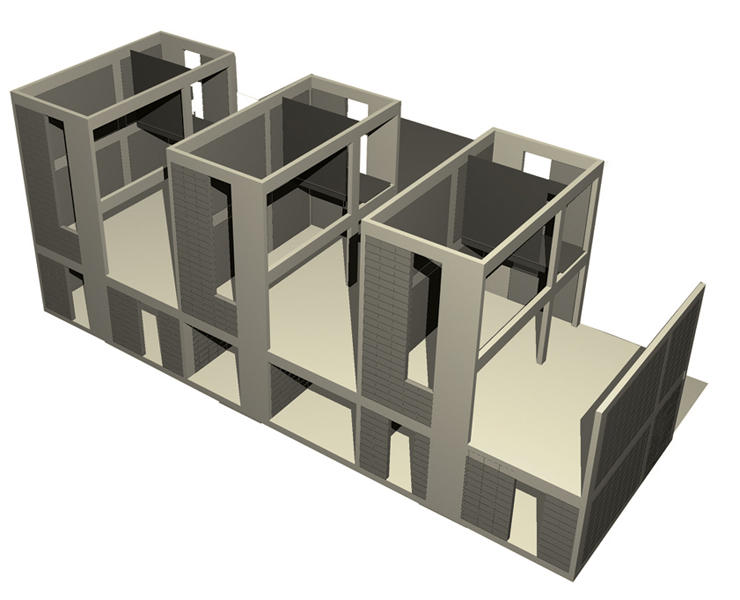
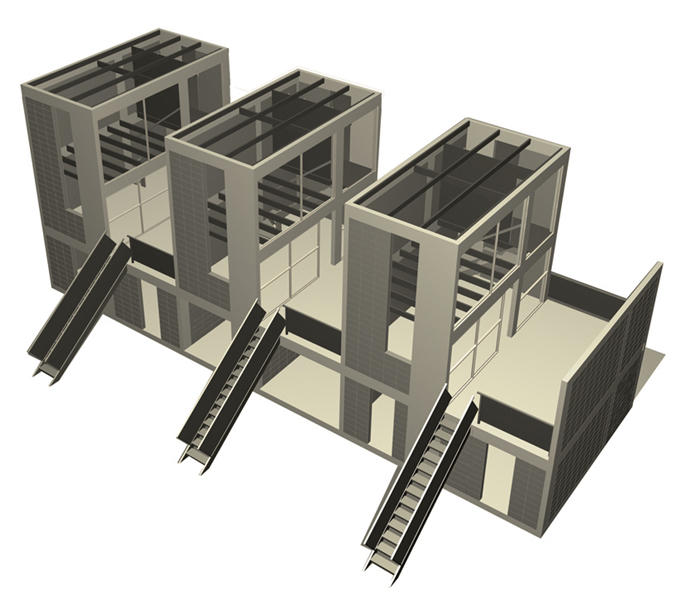
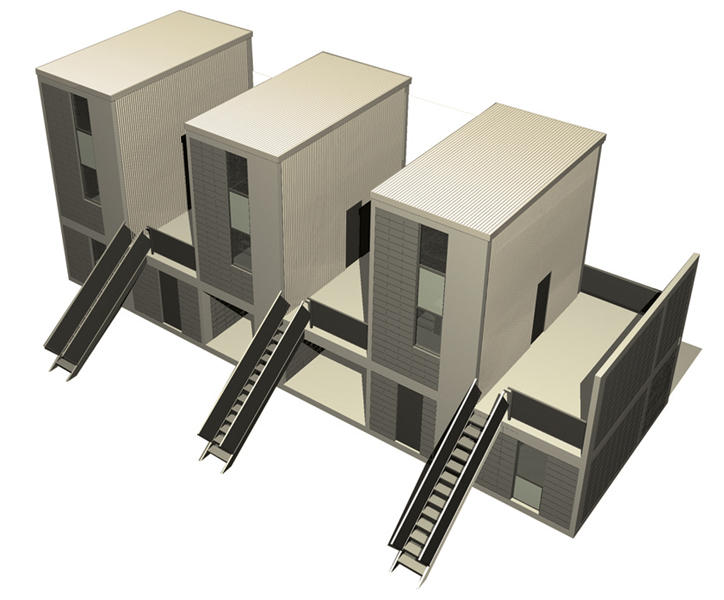
Elemental developed a variation on the traditional row house in which each unit consists of one built segment flanked by an empty area of equal size—a building type that can be inhabited immediately and also incorporate significant change over time. Over a period of nine months, ninety-three basic reinforced-concrete units were built. Each was stabilized for seismic durability and equipped with the barest of basics: plumbing but no fittings for kitchen and bathroom, an access stair, and openings for doorways. Once the modular outlines were completed, residents moved in and began finishing and customizing their spaces at their own expense and at a pace that their incomes allowed, adding color, texture, and vitality; living space in completed Quinta Monroy Housing units is more than double—roughly 750 square feet—what the original tiny budget could fund. With Quinta Monroy as its starting point, Elemental has since erected well over one thousand expandable units in Latin America and beyond and has another thousand in development. The group is steadily proving that this model, in which customization and appreciation is achieved through gradual investment and sweat equity, could be a lasting solution for social housing.
-
Architect
Close
ELEMENTAL was founded in 2001 by architect Alejandro Aravena and engineer Andres Iacobelli as a for-profit company in partnership with COPEC (Chilean Oil Company) and the Pontificia Universidad Cátolica de Chile. It focuses on the practical development of projects of urban infrastructure, public space, transportation, and housing as shortcuts toward equality. Aravena is also Principal of Alejandro Aravena Architects, founded in 1994. He was Visiting Professor at Harvard Graduate School of Design from 2000 to 2005, and has been a member of the Pritzker Prize Jury since 2009 and an International Fellow of the Royal Institute of British Architects since 2010. His works include public buildings, houses, museums, institutional buildings, and design.
-
Audio
Close
- CreditsClose
- Design team: Alejandro Aravena, Emilio de la Cerda, Tomás Cortese, Andrés Iacobelli, Alfonso Montero (architects)
- Engineers: Alejandro Ampuero, Mario Alvarez, Juan Carlos de la Llera, Tomás Fischer, José Gajardo, Carl Lüders
- Construction: Loga S.A.
- Client: Gobierno regional de Tarapacá; Programa Chile-Barrio del Gobierno de Chile
-
- Units before expansion Image credit: Tadeuz Jalocha Close
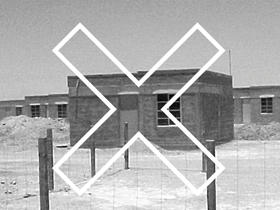
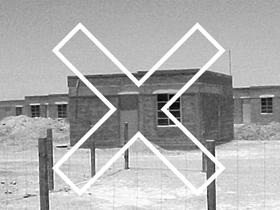
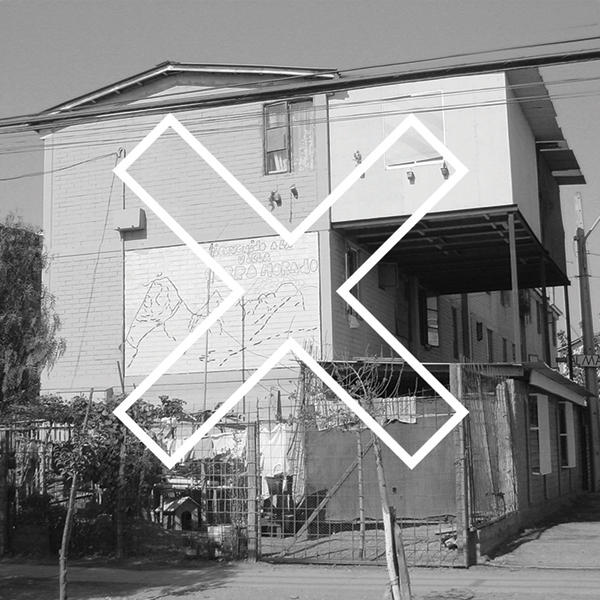
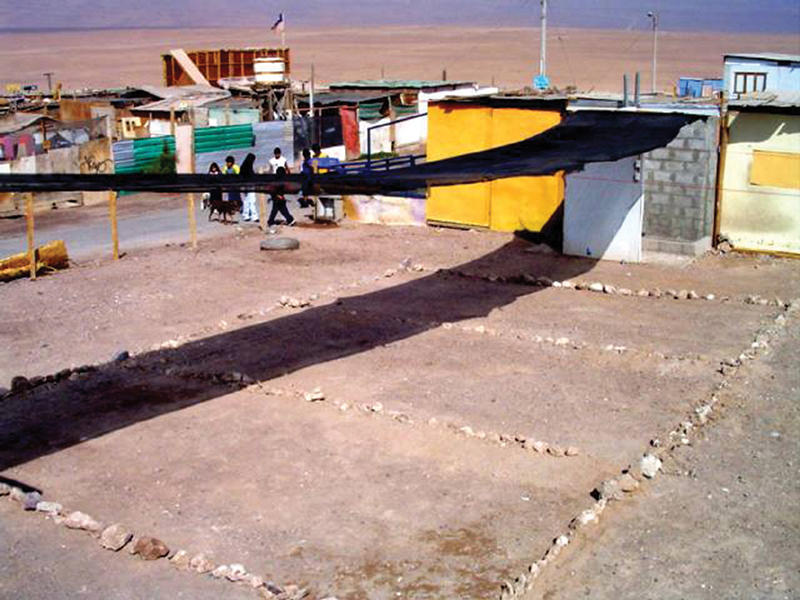
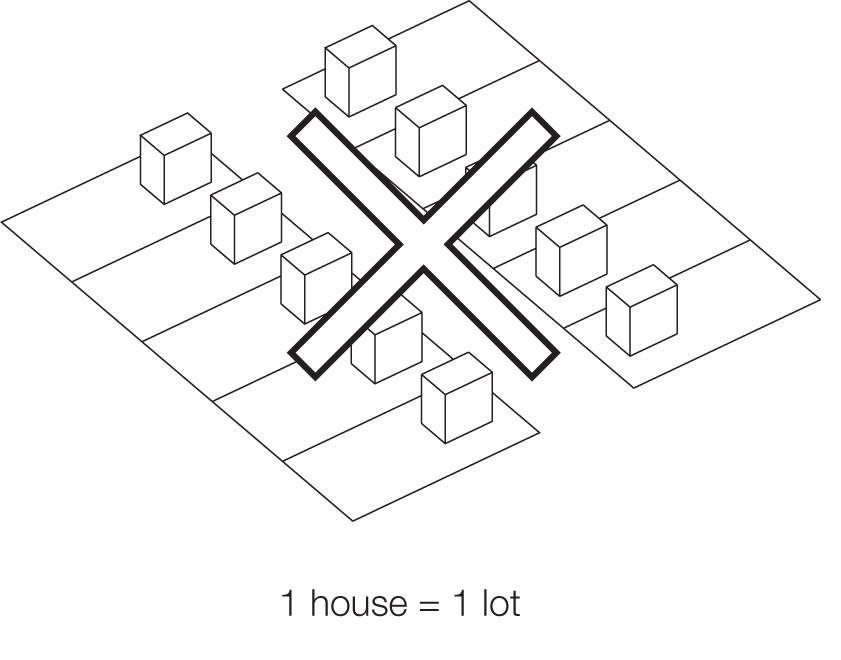
Elemental aimed to maximize the built footprint on the site and also allow for the eventual expansion of the dwellings. The architects’ highly dense solution ensures that all ninety-three families can stay on their land and enjoy drastically improved living conditions.
- 1 of 1
-
- View of exterior Image credit: Cristobal Palma Close
- 1 of 1
-

- El Tiempo que Llegó Video credit: Created by Coti Donoso, courtesy the Chile-Barrio Program Close
Caption under player: El Tiempo que Llegó. 2003-2005. Excerpt
- 1 of 1
-
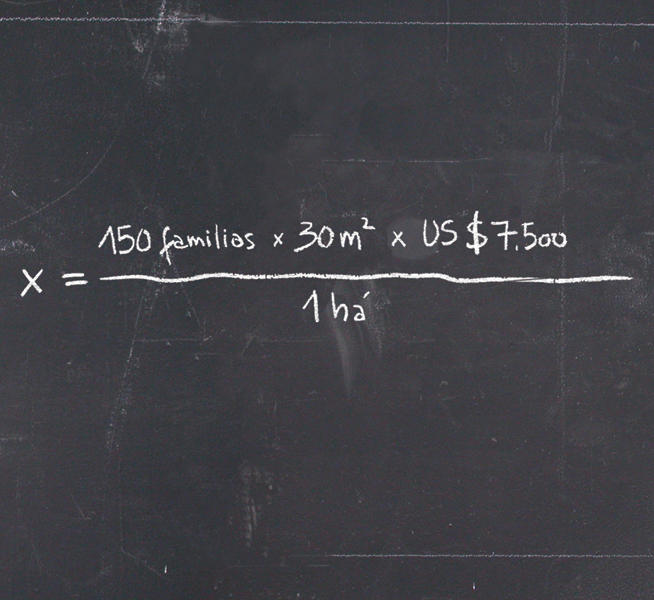
- Equation Image credit: ELEMENTAL S.A. Close
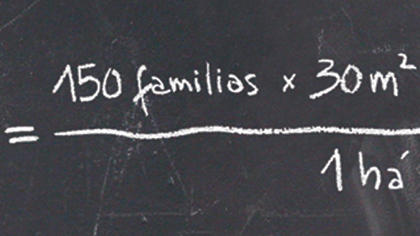
This equation succinctly summarizes Barrio Chile’s challenge: Create housing for one hundred families on a small parcel of land in the desert city of Iquique, for $7,500 each.
- 1 of 1
-

- Views of exterior Image credit: Tadeuz Jalocha Close
- 1 of 2
-

- Views of exterior Image credit: Cristobal Palma Close
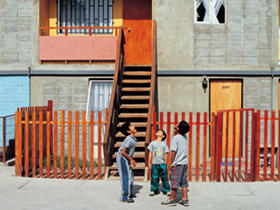
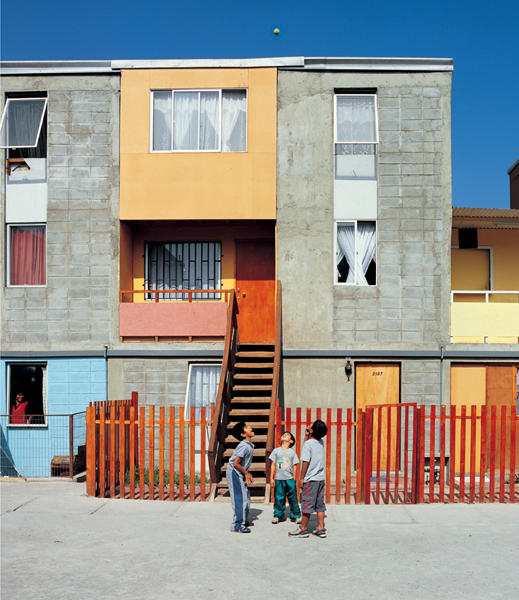
Almost immediately after moving into the complex, residents started to expand their homes, using the architects’ carefully determined openings and plans as guides; Elemental sized the framework for use with standard-size construction materials, such as plywood and sheetrock. By spending roughly $750 in expansion materials, each family could increase the value of their house to around $20,000.
- 2 of 2
-
- Elemental TV Commercial Video credit: Created by Jonathan Knuckey (MCM Cine) Close
Elemental TV Commercial. 2008.
- 1 of 1
-
- View of Iquique Image credit: Cristobal Palma Close
- 1 of 1
-
- Rejected typologies Image credit: ELEMENTAL S.A. Close
- 1 of 3
-
- Rejected typologies Image credit: ELEMENTAL S.A. Close
- 2 of 3
-
- Rejected typologies Image credit: ELEMENTAL S.A. Close
- 3 of 3
-
- Demonstration of footprint Image credit: Tomas Cortese Close
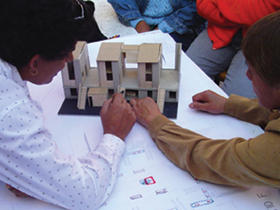
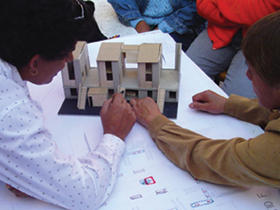
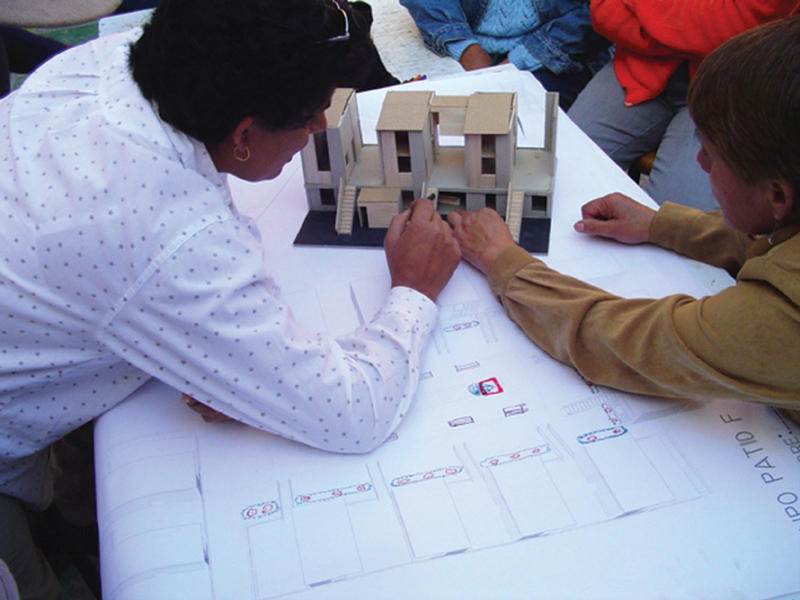
Models and full-scale plans as well as a series of workshops with the architects and organizers helped residents prepare for the transition. Smaller clusters of residents used paper models to envision the collective aesthetic of their neighborhood.
- 1 of 2
-
- Community planning workshop Image credit: Tomas Cortese Close
Models and full-scale plans as well as a series of workshops with the architects and organizers helped residents prepare for the transition. Smaller clusters of residents used paper models to envision the collective aesthetic of their neighborhood.
- 2 of 2
-
- Rejected typologies Image credit: ELEMENTAL S.A. Close
- 1 of 3
-
- Rejected typologies Image credit: ELEMENTAL S.A. Close
- 2 of 3
-
- Rejected typologies Image credit: ELEMENTAL S.A. Close
- 3 of 3
-
- Construction phases Image credit: ELEMENTAL S.A. Close
- 1 of 7
-
- Construction phases Image credit: ELEMENTAL S.A. Close
- 2 of 7
-
- Construction phases Image credit: ELEMENTAL S.A. Close
- 3 of 7
-
- Construction phases Image credit: ELEMENTAL S.A. Close
- 4 of 7
-
- Construction phases Image credit: ELEMENTAL S.A. Close
- 5 of 7
-
- Construction phases Image credit: ELEMENTAL S.A. Close
- 6 of 7
-
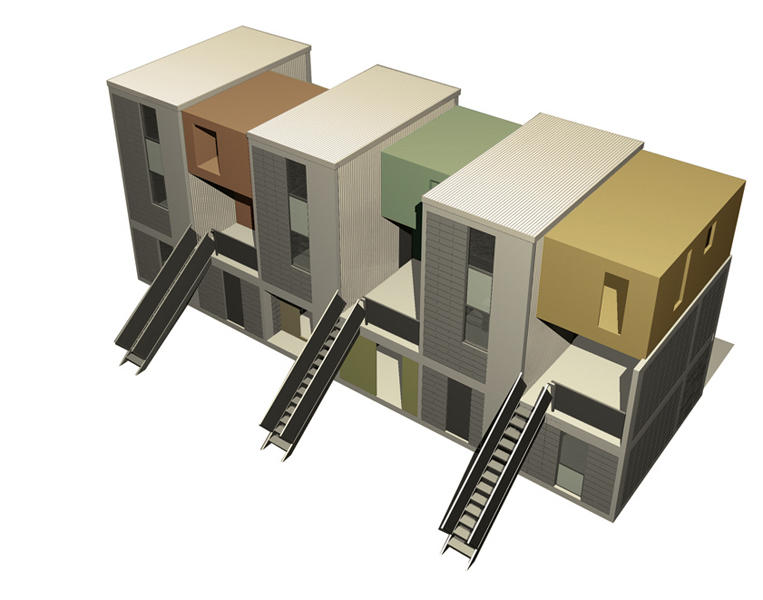
- Completed units after expansion Image credit: ELEMENTAL S.A. Close
- 7 of 7
-
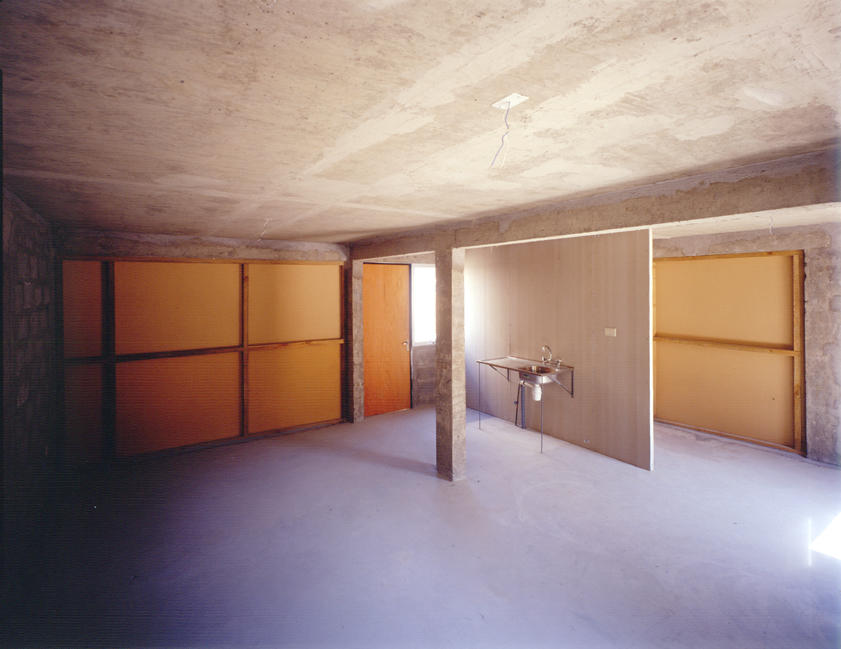
- View of interior before expansion Image credit: Tadeuz Jalocha Close
- 1 of 2
-
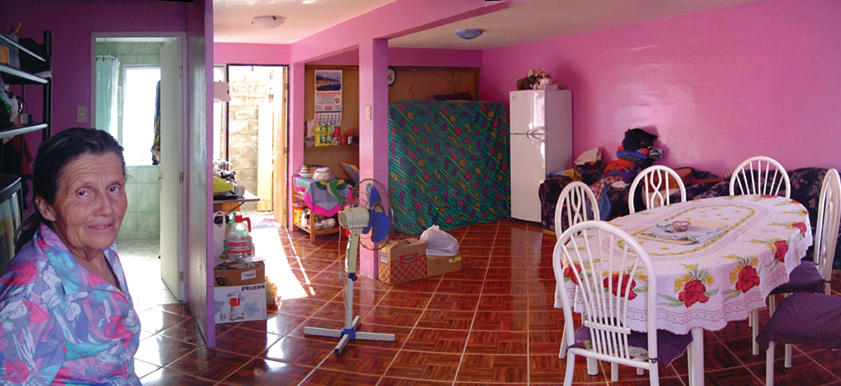
- View of interior after expansion Image credit: Tomas Cortese Close
- 2 of 2
-
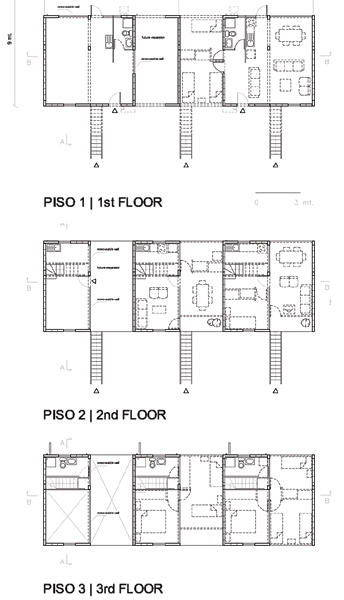
- Floor plans Image credit: ELEMENTAL S.A. Close
- 1 of 3
-
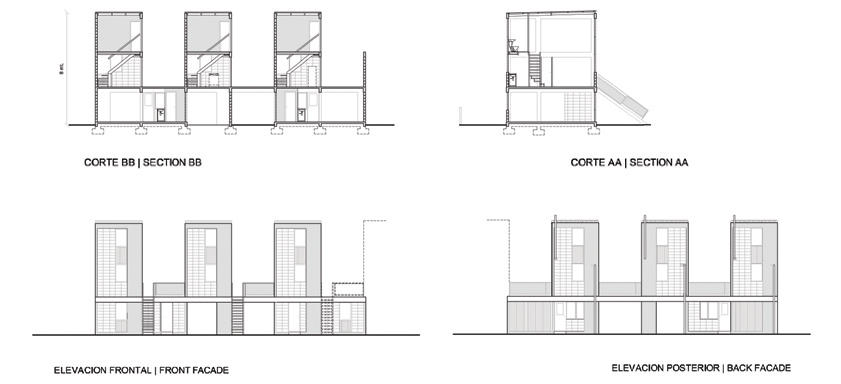
- Sections and elevations Image credit: ELEMENTAL S.A. Close
- 2 of 3
-
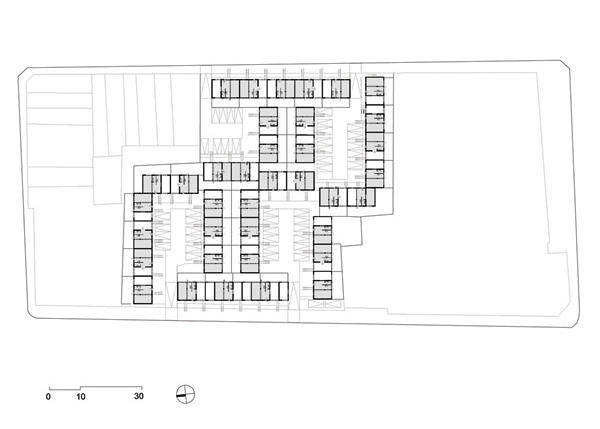
- Site plan Image credit: ELEMENTAL S.A. Close
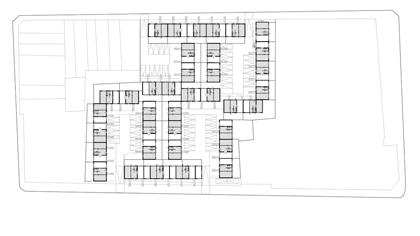
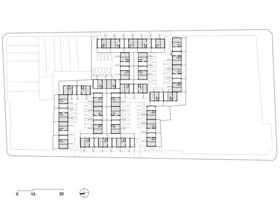
Rather than one family inhabiting a single three-story building, the basic reinforced-concrete, stabilized for seismic durability, units are divided into ground-floor units and upper-floor duplexes. The settlement is grouped into dense clusters of twenty to thirty houses, creating communal courtyards and social space outside of each dwelling.
- 3 of 3