- Metro Cable
- 2007–10
- Caracas, Venezuela
- Urban-Think Tank
- OverviewClose
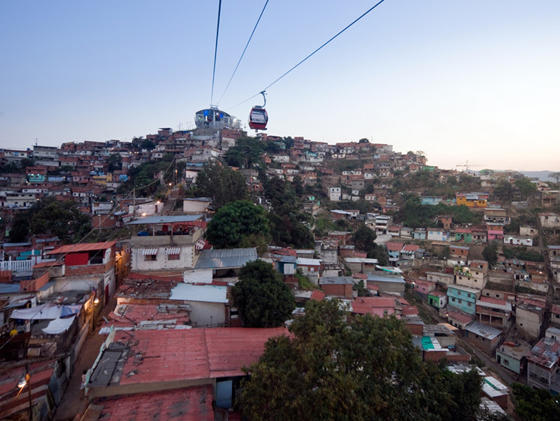
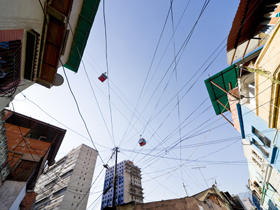
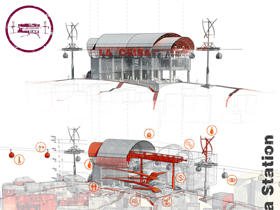
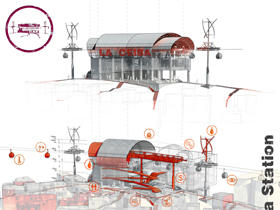
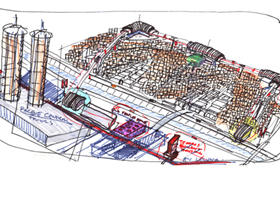
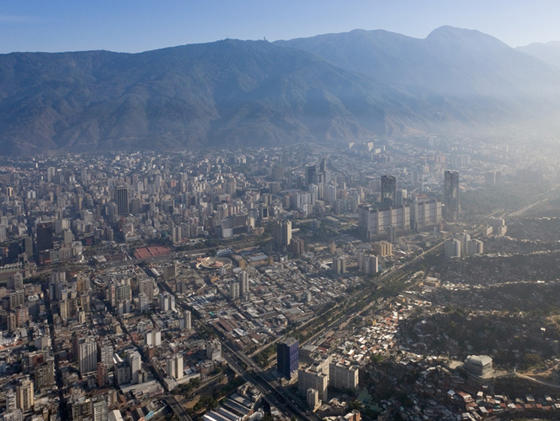
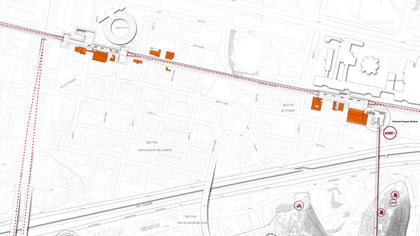
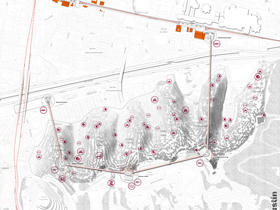
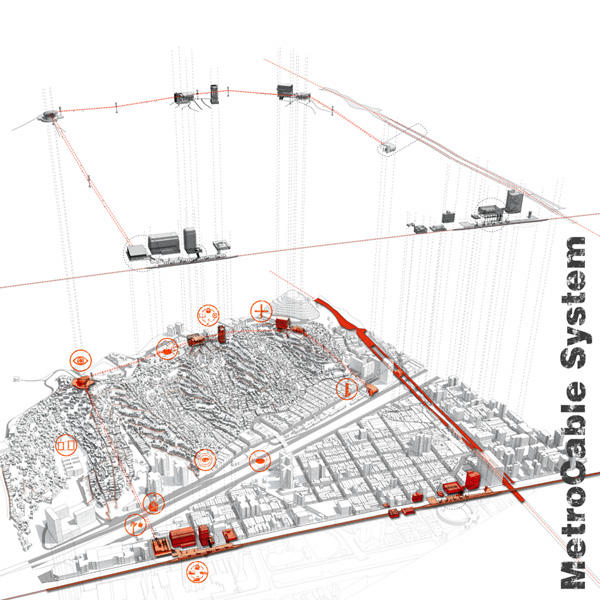
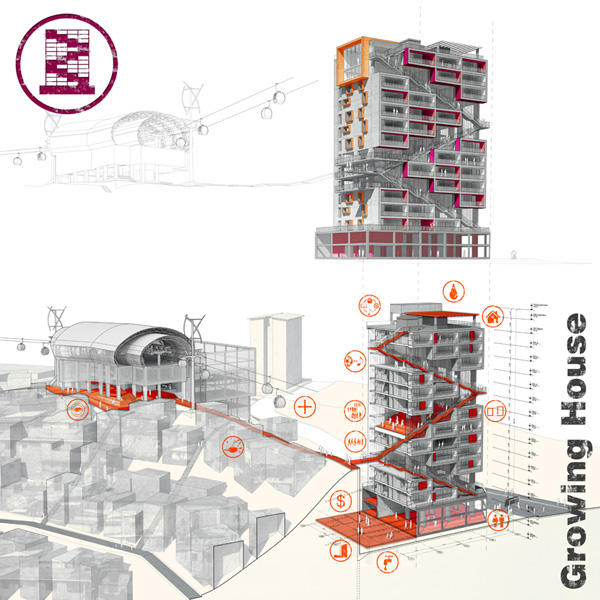
The hills surrounding the city center of Caracas have long been the sites of barrios, informal settlements populated by a steady influx of poor, rural migrants. It is estimated that about sixty percent of the city’s five million inhabitants live in such communities, but due to their illegal status these areas have never been formally connected with public transit or other civic services. The result has been a seemingly inexorable social divide between the two parts of the city. In 2003 architects Alfredo Brillembourg and Hubert Klumpner, founding partners of Urban-Think Tank, made a proposal to the city to build a cable car system linking two barrios with Caracas’s public transit system. The plan, the result of site surveys, community workshops, and other on-the-ground fieldwork by the architects, centers on the cable car system but calls for “plug-in” buildings—structures attached to each station housing cultural and recreational programs—as well as other, smaller-scale interventions close by. The idea was a radical departure from official planning strategy, which sought to gradually link the barrios to the rest of the city by creating new surface streets. The construction of roadways in the barrios would entail the loss of many dwellings; the cable car system intrudes minimally and selectively into the existing fabric.
President Hugo Chávez personally embraced the plan and set up a joint venture in May 2006 between the state and an Austrian gondola engineer to begin implementing it. The city’s first completed cable car line, with five stations, serves the barrio San Agustín; regular service began in January 2010. Some elements of the highly politicized project have been altered or not yet realized, but the project will continue to contribute to gradual changes in Caracas’s social structure; Urban-Think Tank has set a new precedent for development in the informal city.
-
Architect
Close
Urban-Think Tank was founded in Caracas in 1993 in by Alfredo Brillembourg, and in 1998 he was joined by Hubert Klumpner. Brillembourg graduated from Columbia University, New York, in 1986, and Klumpner graduated from the University of Applied Arts in Vienna in 1993. Urban-Think Tank is a multidisciplinary studio focusing on research-based urbanism and the development of practical strategies for upgrading informal settlements. With Columbia University's Graduate School of Architecture, Brillembourg and Klumpner founded Sustainable Living Urban Model (S.L.U.M.lab) as a research and planning studio that connects planners, architects, and students. In 2010 Brillembourg and Klumpner were appointed Chairs of Architecture and Urban Design at ETH (Swiss Federal Institute of Technology) in Zurich. Urban-Think Tank runs offices out of Caracas and São Paulo.
-
Audio
Close
- CreditsClose
- Design team: Alfredo Brillembourg and Hubert Klumpner (project design architects); José Antonio Nuñez, Carlos Bastidas, Alfredo Brillembourg, Patrick Edlinger, Elizabeth Florian, Cesar Gavidia, Dora Kelle, Hubert Klumpner, Rafael Machado, Claudia Ochoa, Regina Orvañanos, Juan Ponce, Matt Tarczynski (conceptual design team); Michael Contento, Lindsey Sherman (Metro Cable research, design, and exhibition)
- Landscape design: Topotek 1: Christian Bohne, Martin Rein-Cano
- Construction and project management: Constructora Norberto Odebrecht S.A. (CNO)
- Engineers: DAC: Deleida Alvarez (project m/e/p coordination and project shop details), Carlos Silva (site supervision and project shop details); Doppelmayr Seilbahnen GmbH: Martin Schöffel (interurban ropeway system); Eduardo Lopez (structural design project); Robert Silman Associates: Pat Arnett (structural design concept)
- Project consultants: Felix Caraballo (community outreach); Intégral Ruedi Baur & Associés: Ruedi Baur (graphic design)
- Client: C.A. Metro de Caracas: Cesar Nuñez
- Graphic identity: Ruedi Baur
-
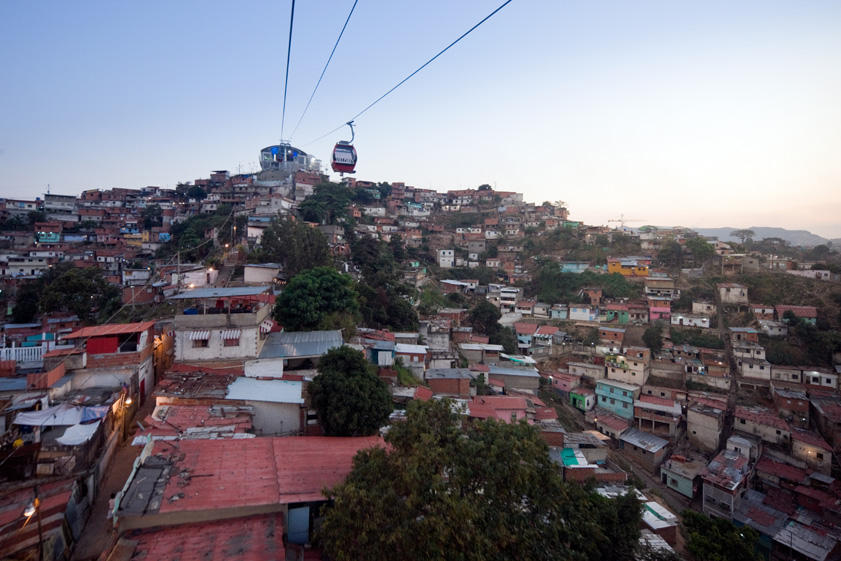
- View of Hornos de Cal station, old path at left Image credit: Iwan Baan Close
- 1 of 1
-
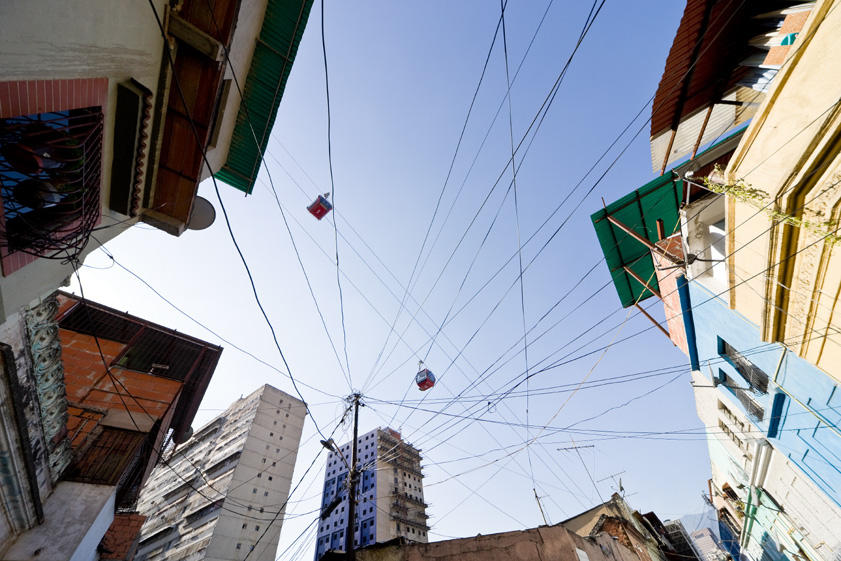
- View of the cable car from the ground Image credit: Iwan Baan Close
- 1 of 1
-

- Metro Cable San Agustín Video credit: Urban-Think Tank Films; Alfredo Brillembourg, David Frankfurt and John Frankfurt Close
- 1 of 1
-
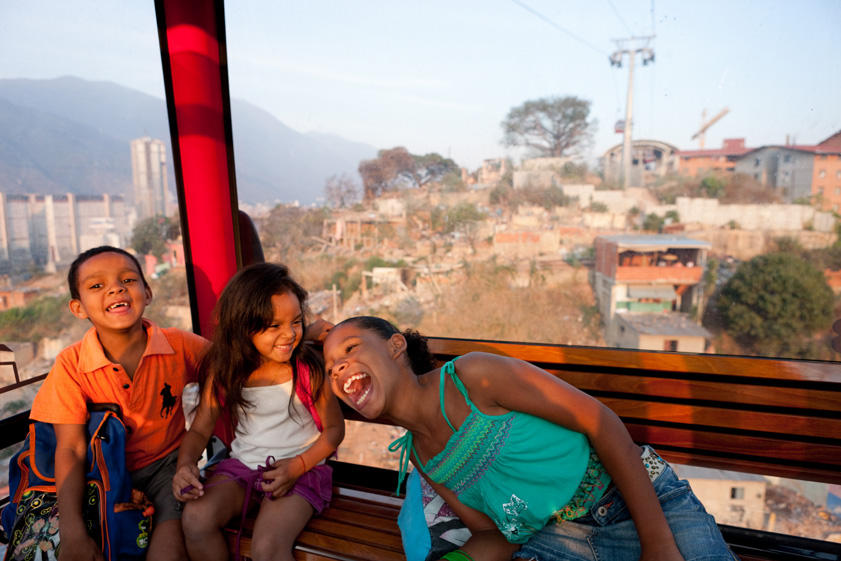
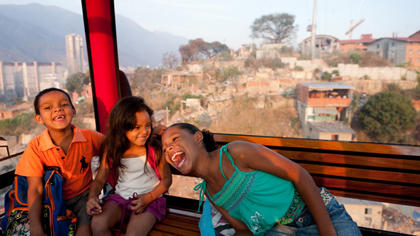
- In the cabin between LaCeiba and El Manguito, looking east towards La Ceiba Image credit: Iwan Baan Close
- 1 of 1
-
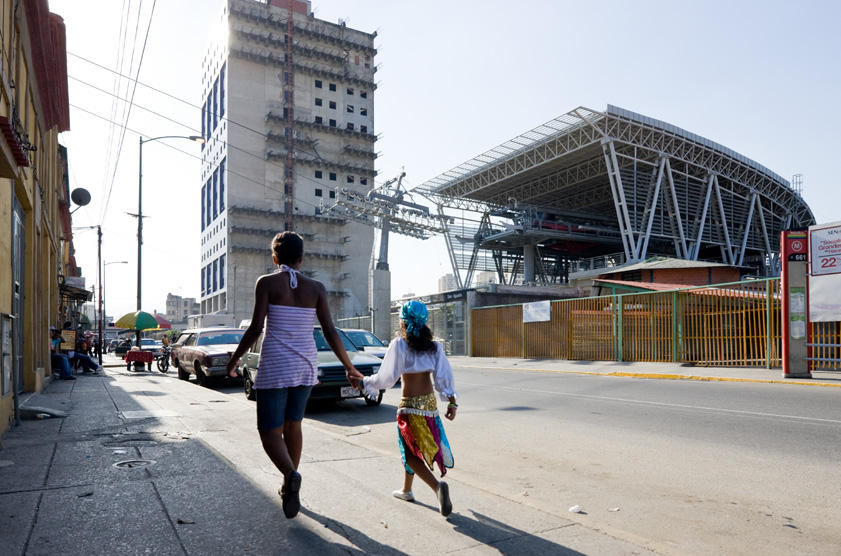
- San Agustín station exterior Image credit: Iwan Baan Close
- 1 of 4
-
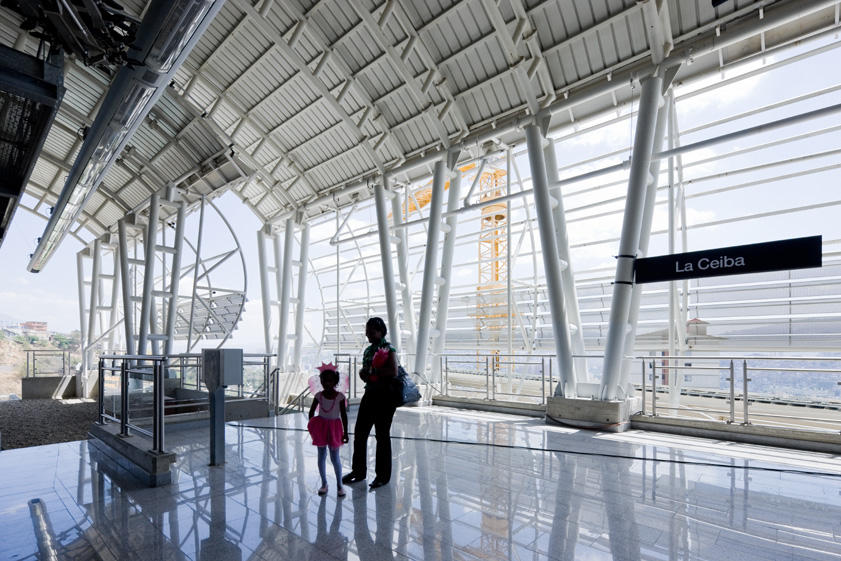
- La Ceiba Station interior Image credit: Iwan Baan Close
- 2 of 4
-
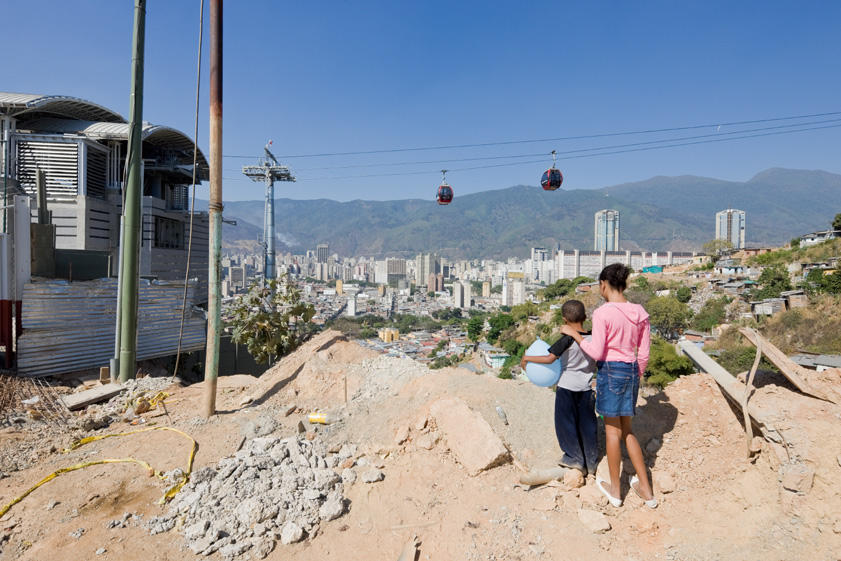
- View from El Manguito Station toward the city Image credit: Iwan Baan Close
- 3 of 4
-
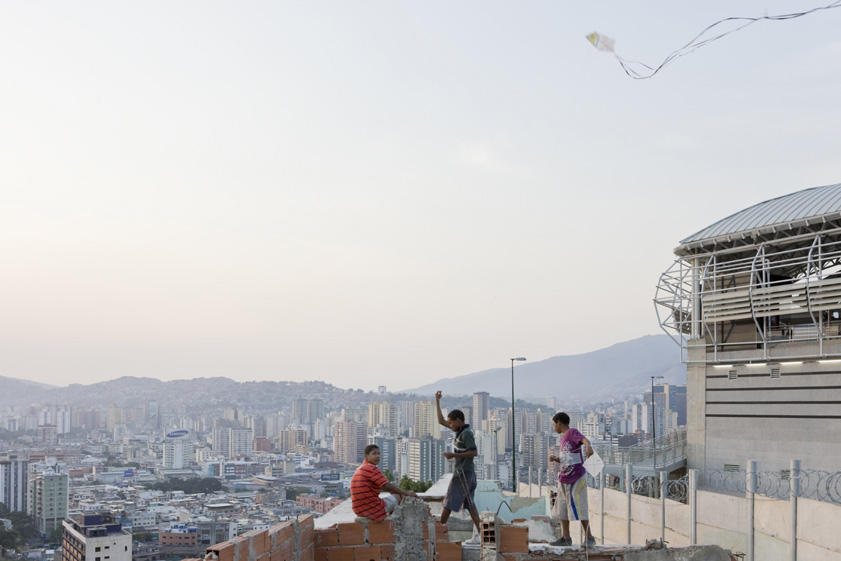
- View from El Manguito Station toward the city Image credit: Iwan Baan Close
- 4 of 4
-
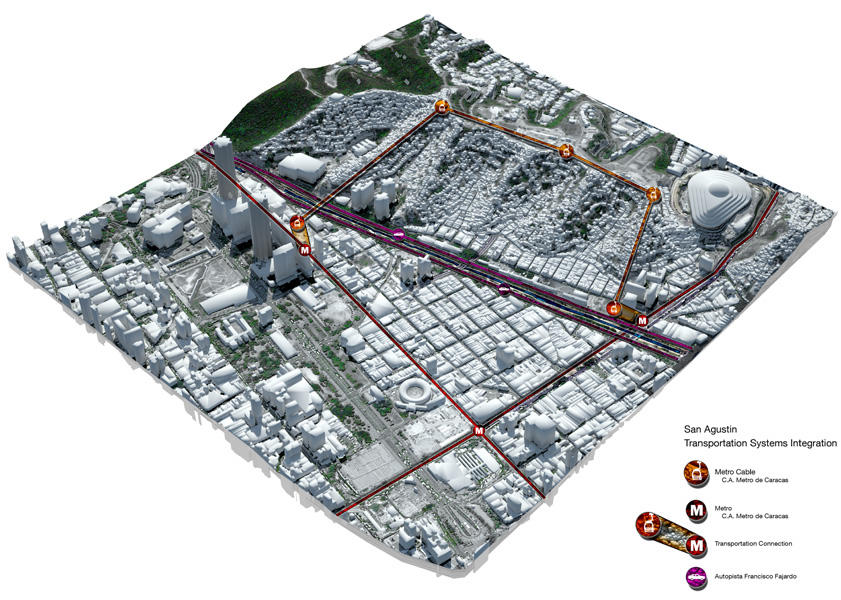
- Site perspective with transit diagram Image credit: Urban-Think Tank Close
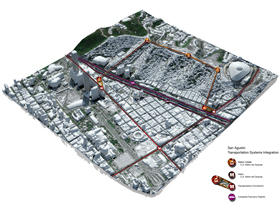
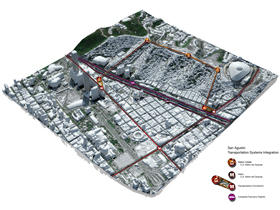
Given the complexity of the project, widespread support was imperative; it could succeed only with strong political backing. The architects took an integrative approach, attempting to design a system that would benefit barrio residents and be accepted by the city. They engaged the community in the process through workshops, group meetings, and public symposia.
- 1 of 1
-
- Concept sketch Image credit: Urban-Think Tank Close
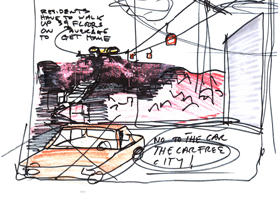
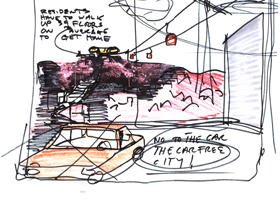
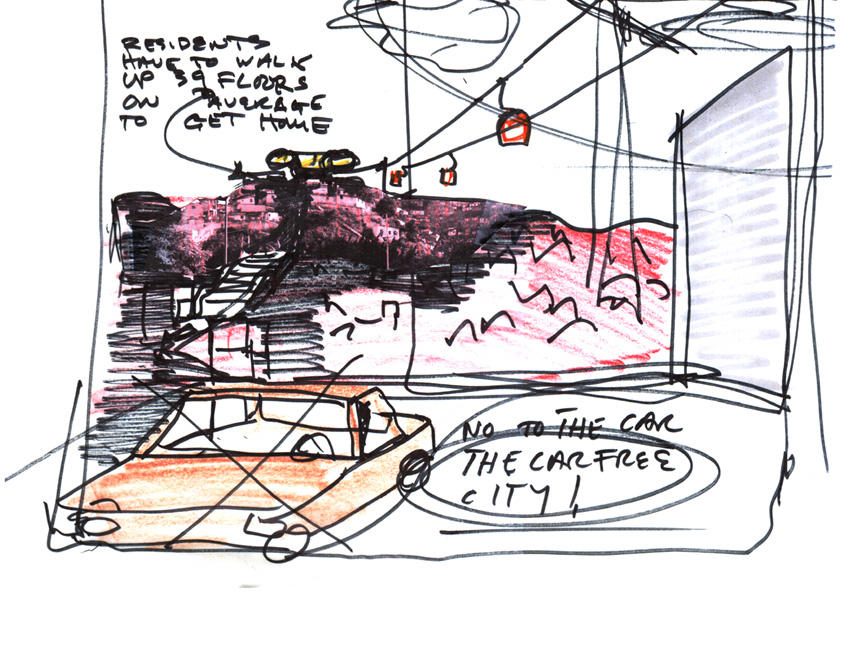
These early sketches present a founding assumption of the project: that creating new streets in the barrios is not a suitable solution to their separation from the rest of the city.
- 1 of 2
-
- Concept sketch Image credit: Urban-Think Tank Close
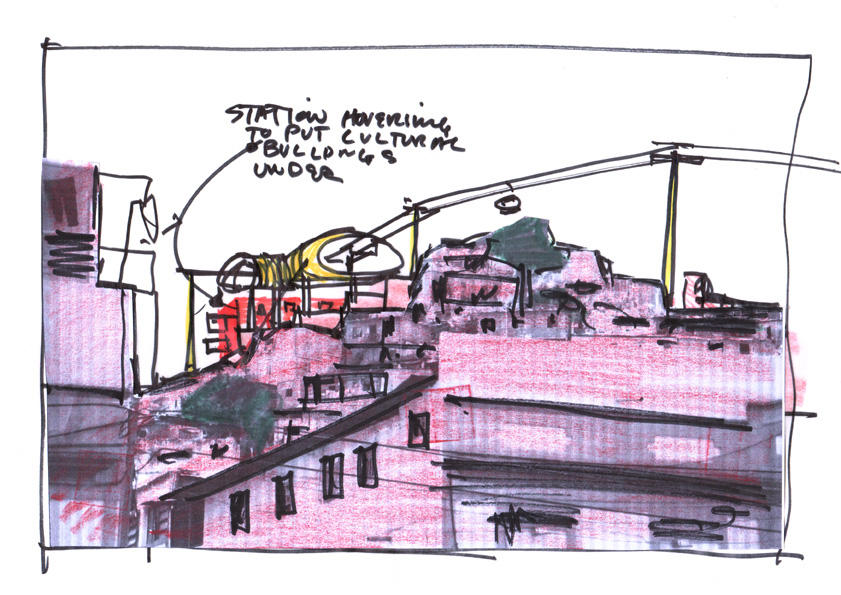
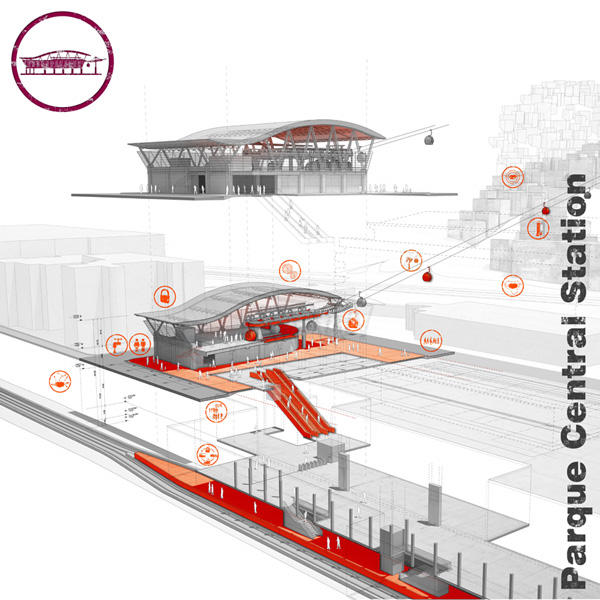
The compact and mostly modular stations, built of prefabricated concrete and steel components—can be deployed even in the densest of neighborhoods.
- 2 of 2
-
- Metro Cable System Image credit: Urban-Think Tank Close
- 1 of 5
-
- La Ceiba Station Image credit: Urban-Think Tank Close
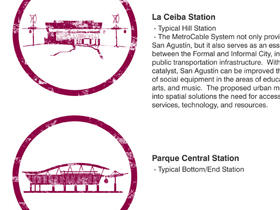
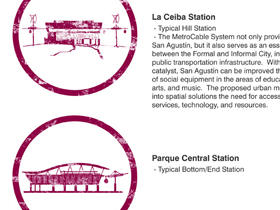
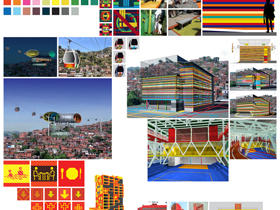
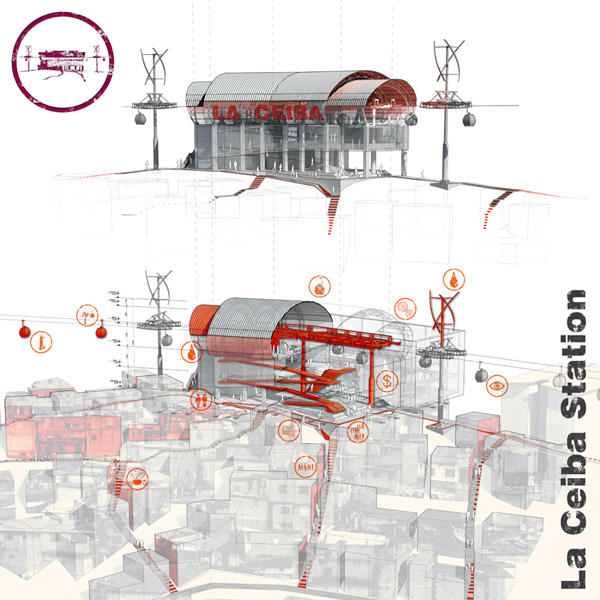
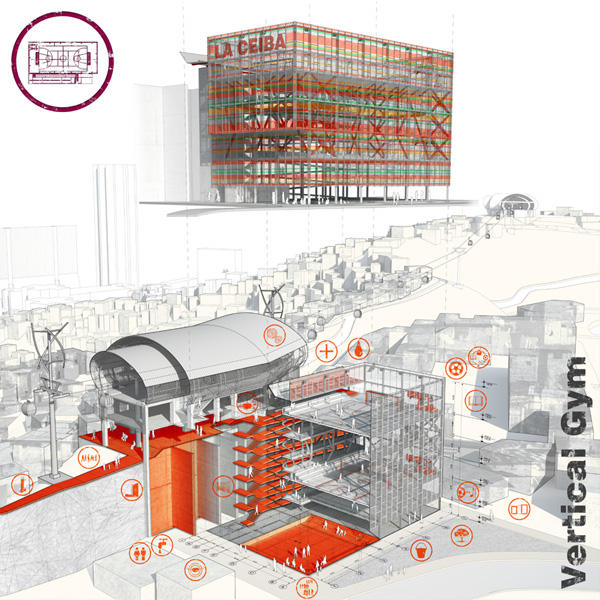
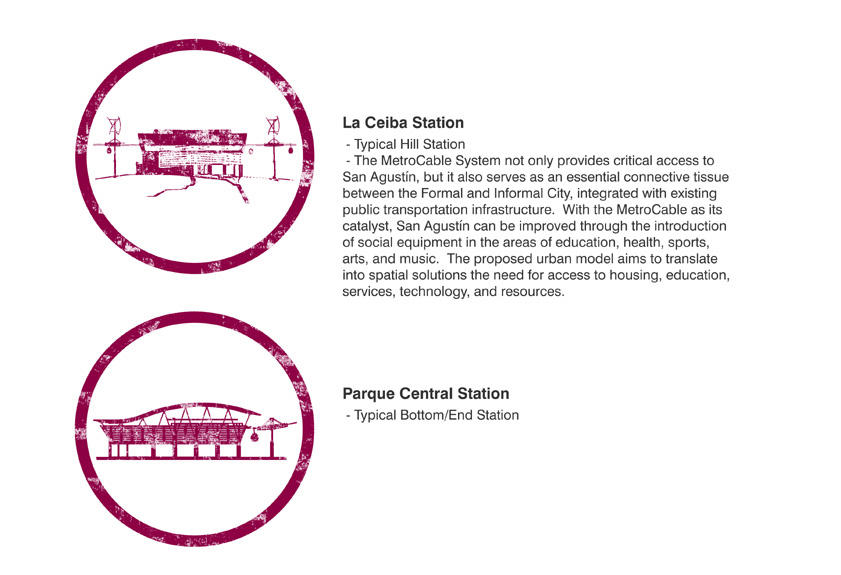
Though similar to each other, the cable car stations have been customized to meet the diverse needs of their immediate communities. The La Ceiba hilltop station includes an adjacent building with a library and gymnasium, “plugged in” beside the station. Construction on this plug-in building has started.
- 2 of 5
-
- Parque Central Station Image credit: Urban-Think Tank Close
- 3 of 5
-
- Vertical Gym Image credit: Urban-Think Tank Close
- 4 of 5
-
- Growing House Image credit: Urban-Think Tank Close
- 5 of 5
-
- Prototype icons Image credit: Urban-Think Tank Close
- 1 of 10
-
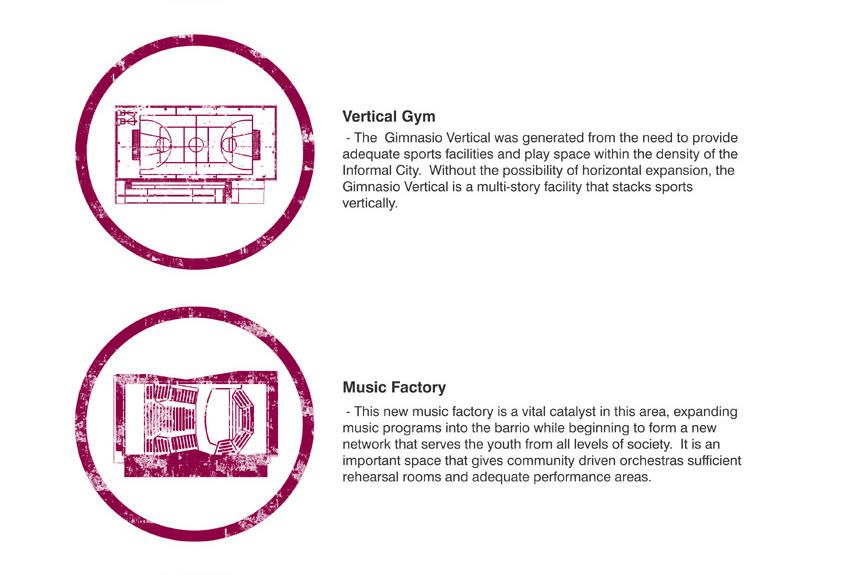
- Prototype icons Image credit: Urban-Think Tank Close
- 2 of 10
-
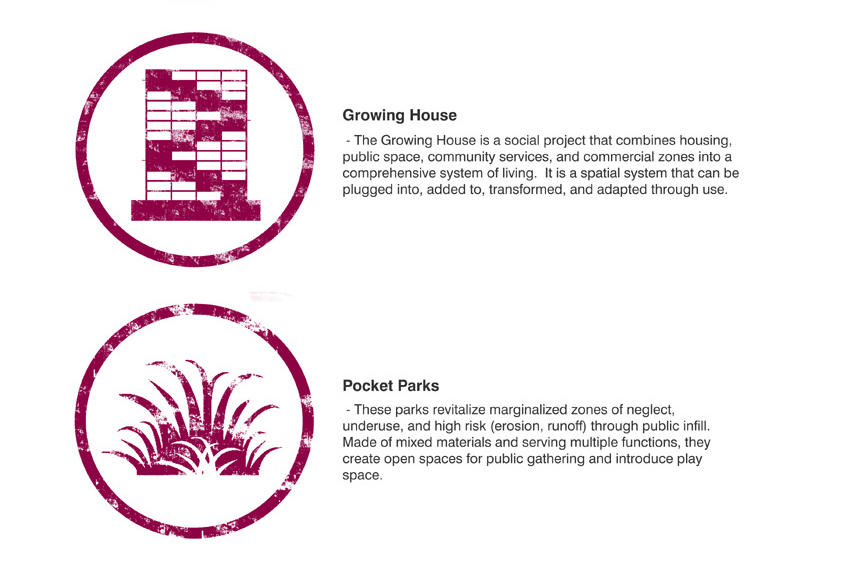
- Prototype icons Image credit: Urban-Think Tank Close
- 3 of 10
-
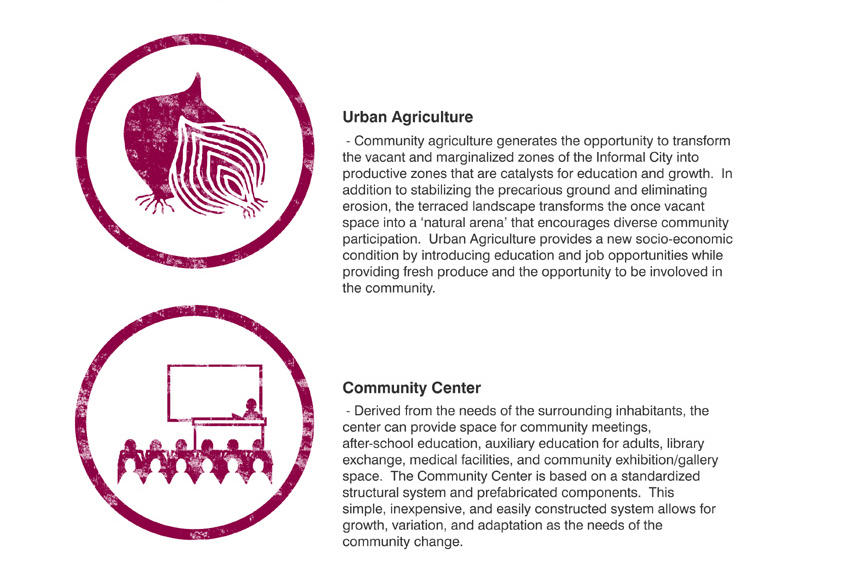
- Prototype icons Image credit: Urban-Think Tank Close
- 4 of 10
-
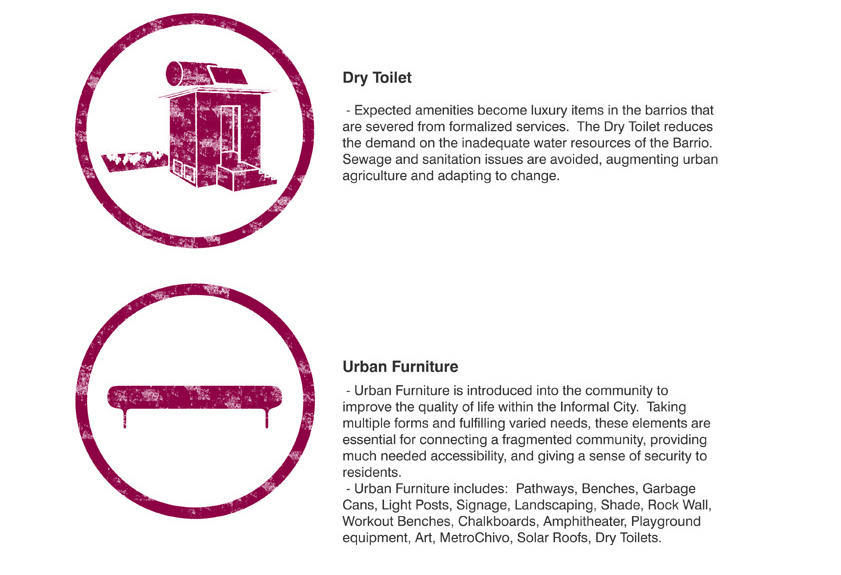
- Prototype icons Image credit: Urban-Think Tank Close
- 5 of 10
-
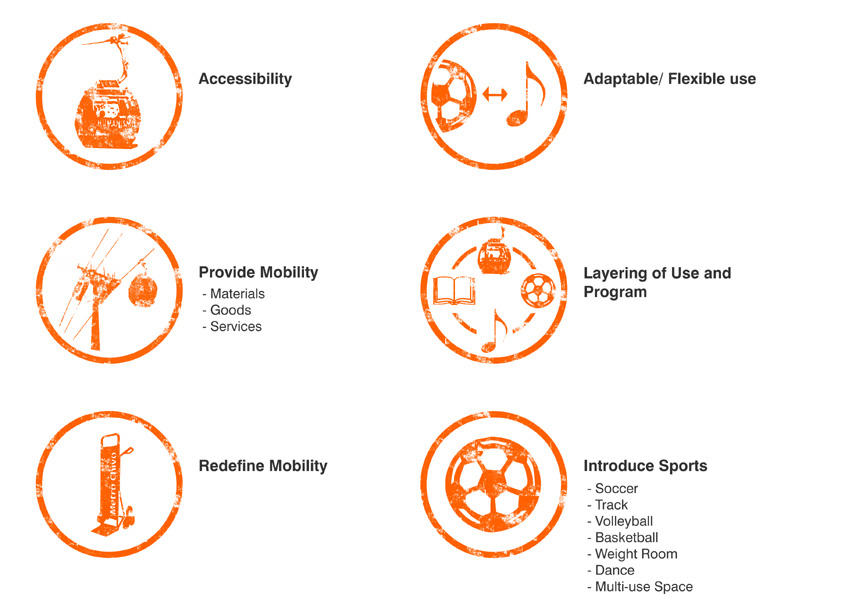
- Catalyst icons Image credit: Urban-Think Tank Close
- 6 of 10
-
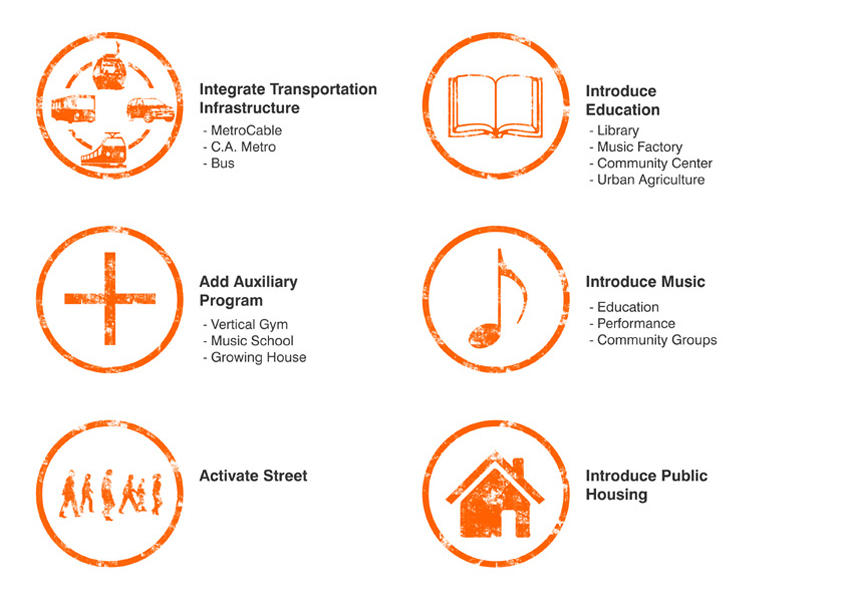
- Catalyst icons Image credit: Urban-Think Tank Close
- 7 of 10
-
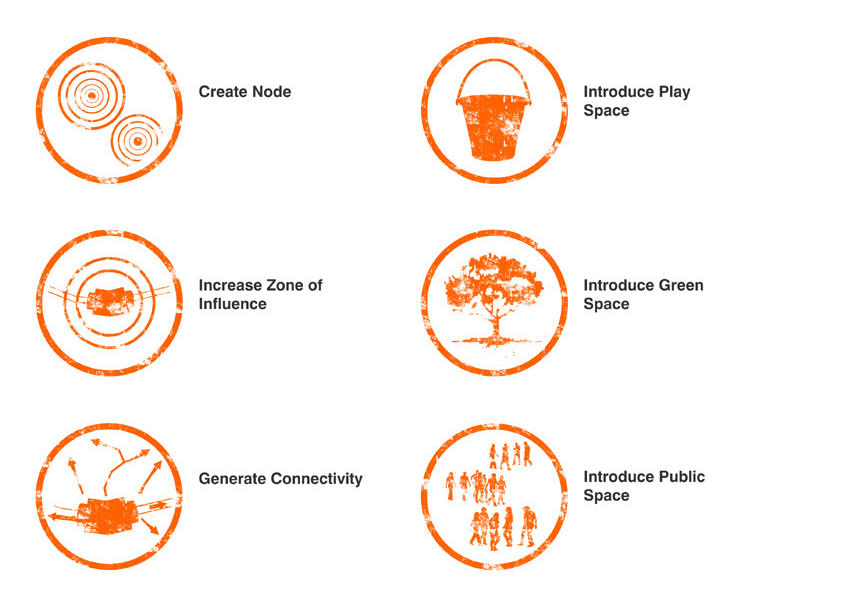
- Catalyst icons Image credit: Urban-Think Tank Close
- 8 of 10
-

- Catalyst icons Image credit: Urban-Think Tank Close
- 9 of 10
-
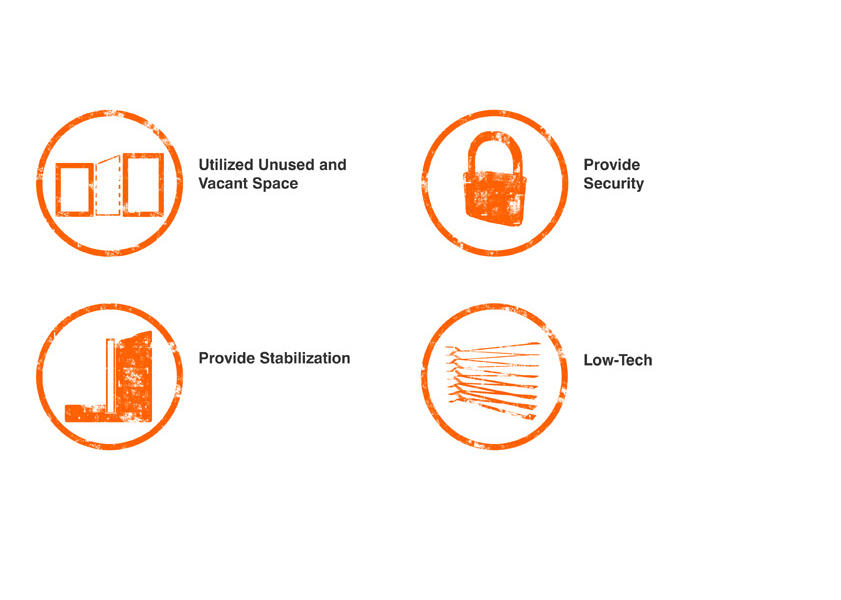
- Catalyst icons Image credit: Urban-Think Tank Close
- 10 of 10
-
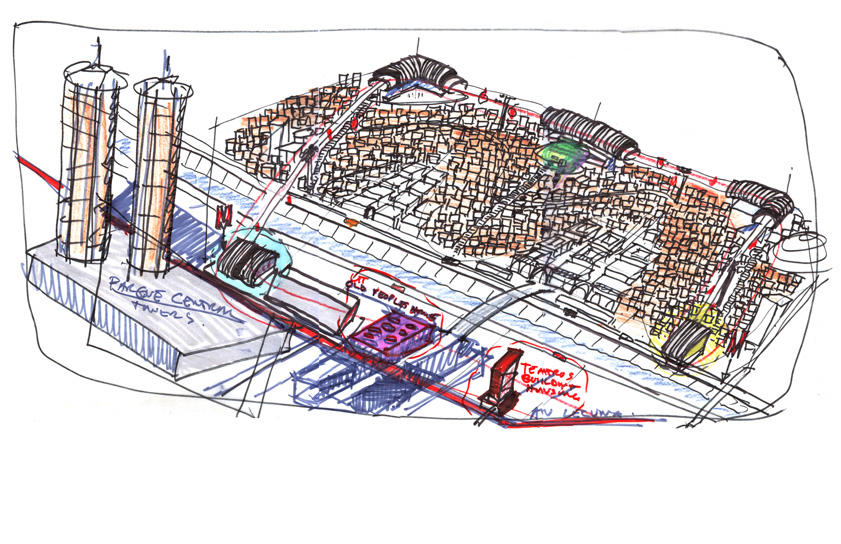
- Sketch of overall plan Image credit: Urban-Think Tank Close
- 1 of 1
-
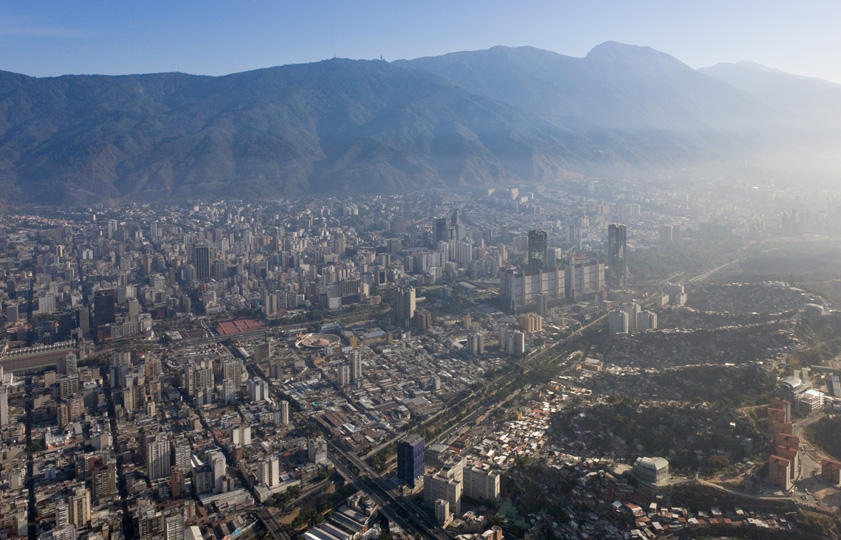
- Aerial view of Caracas with Barrio San Agustín at far right Image credit: Iwan Baan Close
- 1 of 1
-
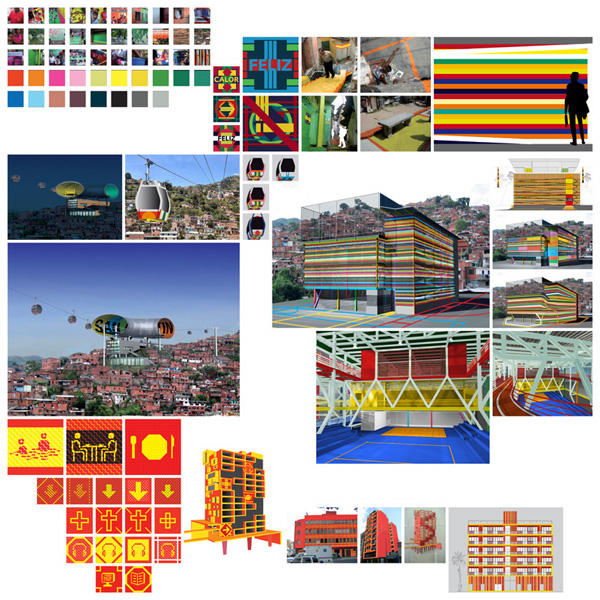
- Graphic identity Image credit: Reudi Baur Close
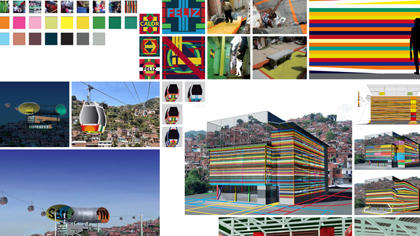
Urban-Think Tank invited Baur to design a signage system for the cable cars, stations, and plug-in buildings. His proposal features bands of brightly hued polycarbonate woven into building facades and color-coded pedestrian paths that signal the direction of each station. Portions of this vibrant graphic scheme may eventually be realized, but many of the ideas have been adapted by the city government or otherwise diluted.
- 1 of 1
-
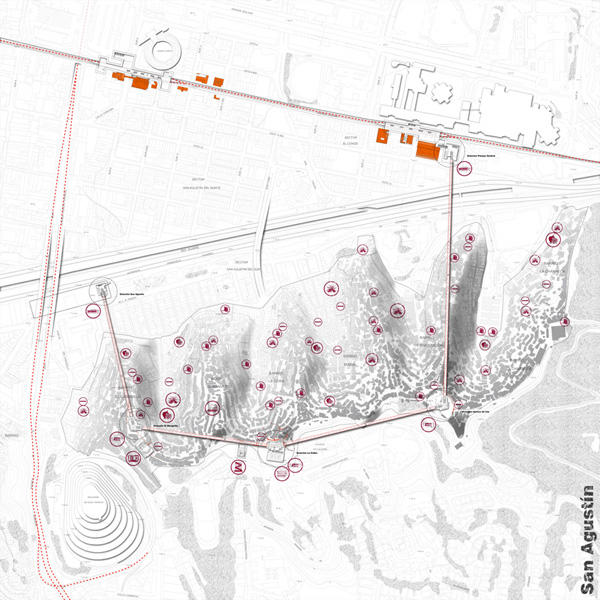
- Overall map of Metro Cable system with Avenida Lecuna Image credit: Urban-Think Tank Close
- 1 of 1