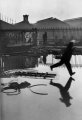
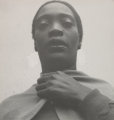
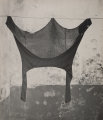
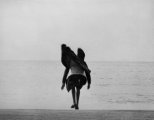
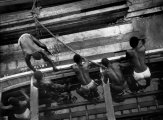
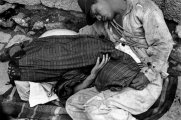
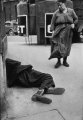
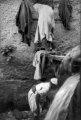
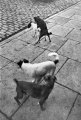
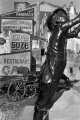
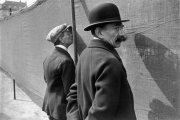
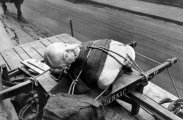
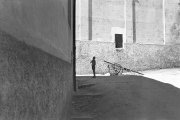
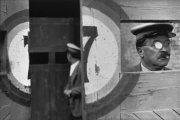
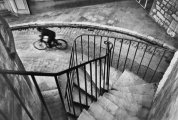
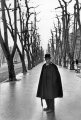
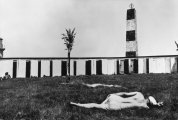
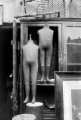
The quickness and mobility of handheld cameras spawned one of the most fruitful artistic traditions that took shape in photography between the two world wars. These new cameras didn’t merely fix the motion of the subject; they also freed the photographer from virtually all constraints. With a camera in his hand and a few rolls of film in his pocket, Cartier-Bresson never needed to decide if he was working or if he was just living.
Cartier-Bresson was a master of two leading strategies of photography in the 1920s—celebrating action by freezing it and turning the world into elegant patterns. His most original early pictures transform reality even more decisively. They reinvent the life of the street as Surrealist theater—more surprising, mysterious, and compelling than the world we know.